Focused arrival windows
Useful updates and clear arrival timing.
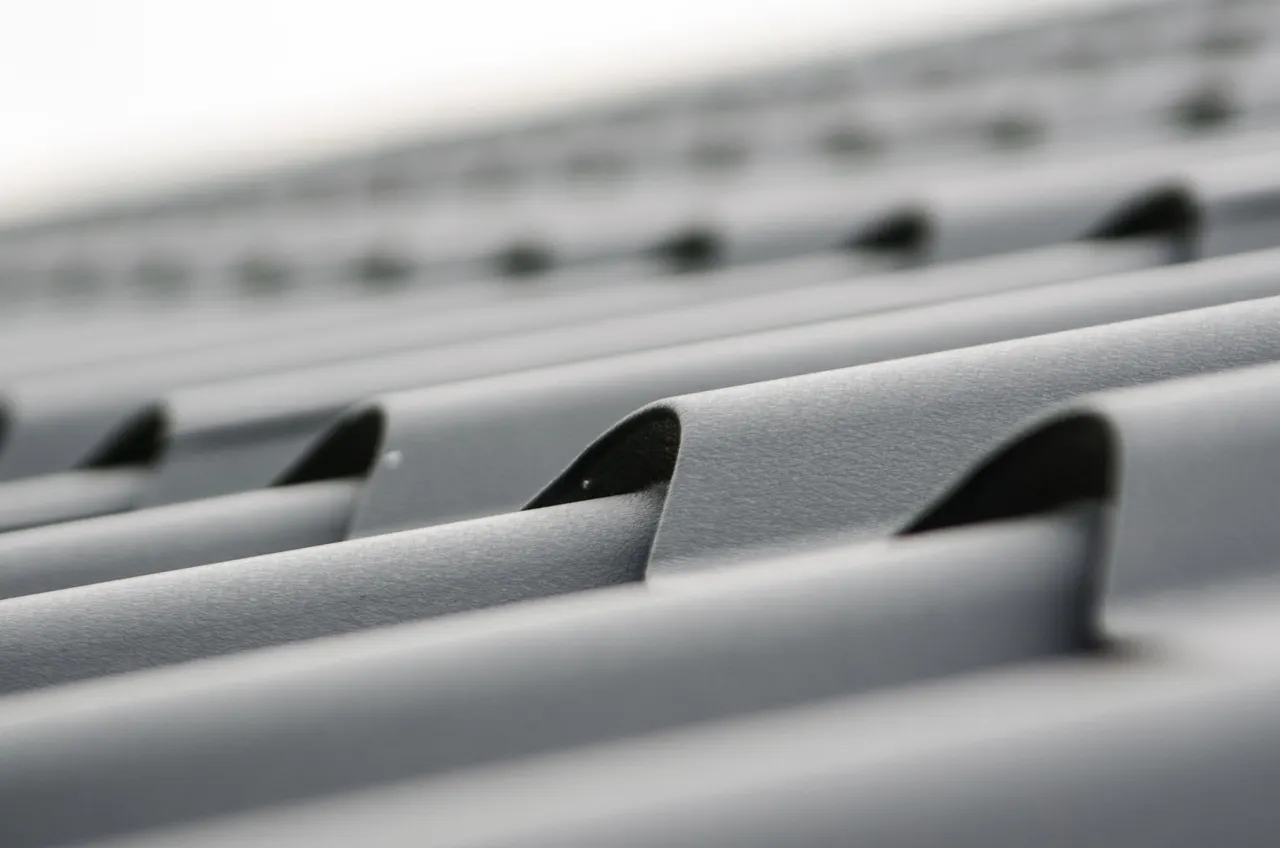
Corrugated Metal Roofing in Huntsville is the upgrade we install most often for homeowners tired of replacing asphalt shingles every 12 to 15 years. Panels here face 95-degree summers, golf-ball hail and spring wind gusts, so we spec gauge, fasteners and underlayment for that load, not for a catalog photo. If your roof is 15 years or older, leaking at the flashing, or you want a corrugated metal roof in Huntsville that outlives the mortgage, we will walk the deck with you and price it straight.
Useful updates and clear arrival timing.
Review the approach and price before deciding.
Equipped vehicles and respectful cleanup.
Neighbors serving neighbors with follow-through.
Every corrugated metal roof installation Huntsville TX project we quote includes tear-off, deck inspection, underlayment, flashing and panel install. Rotted decking, gutter replacement and skylight work are quoted separately if we find them during the inspection, so nothing shows up as a surprise line item later.
We remove the old shingles or panels, haul off the debris, and run a magnetic sweeper across the yard for nails. Decking is inspected and photographed before anything goes back down.
Synthetic underlayment covers the field, with ice and water shield at the eaves and valleys. This is the layer that keeps wind-driven rain from finding a path under the panels.
26- or 29-gauge panels fastened with gasketed screws rated for the profile, aligned on a chalk line, and closed out with ridge caps, gable trim and pipe boots.
Custom roof flashing at walls, chimneys and valleys, plus balanced intake and ridge venting so the attic does not trap heat under the panels.
Roof and gutters blown clean, yard swept again, and a final walkthrough where we hand you the warranty paperwork, fastener spec and a simple maintenance sheet.
Share what is happening and receive a clear next step from the local team.
Corrugated Metal Roofing in Huntsville is a panel roof system where 26- or 29-gauge steel sheets are bent into repeating ridges, fastened through the ribs or flats to a decked and underlayed roof, then closed out with ridge caps, gable trim and pipe boots. The corrugation is not decoration. Those ridges carry the span, shed water fast and let the panel flex under hail instead of cracking like asphalt shingles. We install exposed-fastener panels and standing seam metal, and we match the panel profile to your roof pitch, your eave overhang and how much walkability you want for gutters and future repairs.
Most Huntsville calls we take are one of three things: a 20-year-old three-tab roof that has started losing granules, a leak that shows up as a ceiling stain after a hard rain, or a homeowner who got a hail damage claim and wants something that will not need replacing again. Corrugated metal roof installation Huntsville TX jobs usually run two to four days on a standard 1,800 to 2,400 square foot ranch or two-story. If you are searching for corrugated metal roofing near me Huntsville and want a number before you commit, we give you a written, itemized estimate the same week.
We walk the roof, check decking, flashing, valleys and attic ventilation, and photograph anything questionable. You get a written scope with panel gauge, profile, underlayment and trim listed line by line. Most inspections take 45 to 60 minutes on a standard Huntsville home.
We strip the old shingles or panels, run a magnetic sweeper across the yard for nails, and inspect the deck. Rotted sheathing gets replaced before anything goes back down. A 2,000 square foot tear-off usually takes one day with a full crew.
Synthetic underlayment goes down across the field, with ice and water shield at eaves and valleys. We set drip edge, form or fit roof flashing at walls and chimneys, and stage the panels so the layout breaks correctly at hips and ridges.
Panels are cut, aligned on a chalk line and fastened with the correct screws and gasketed washers for the panel profile. We keep the ridge vent and intake balanced as we close the roof. Panel install on a typical Huntsville home runs one to two days.
We blow the roof and gutters, sweep the yard again with a magnetic sweeper, and walk the finished roof with you. You get the panel warranty paperwork, fastener spec and a maintenance sheet. Final walkthrough takes about 20 minutes.
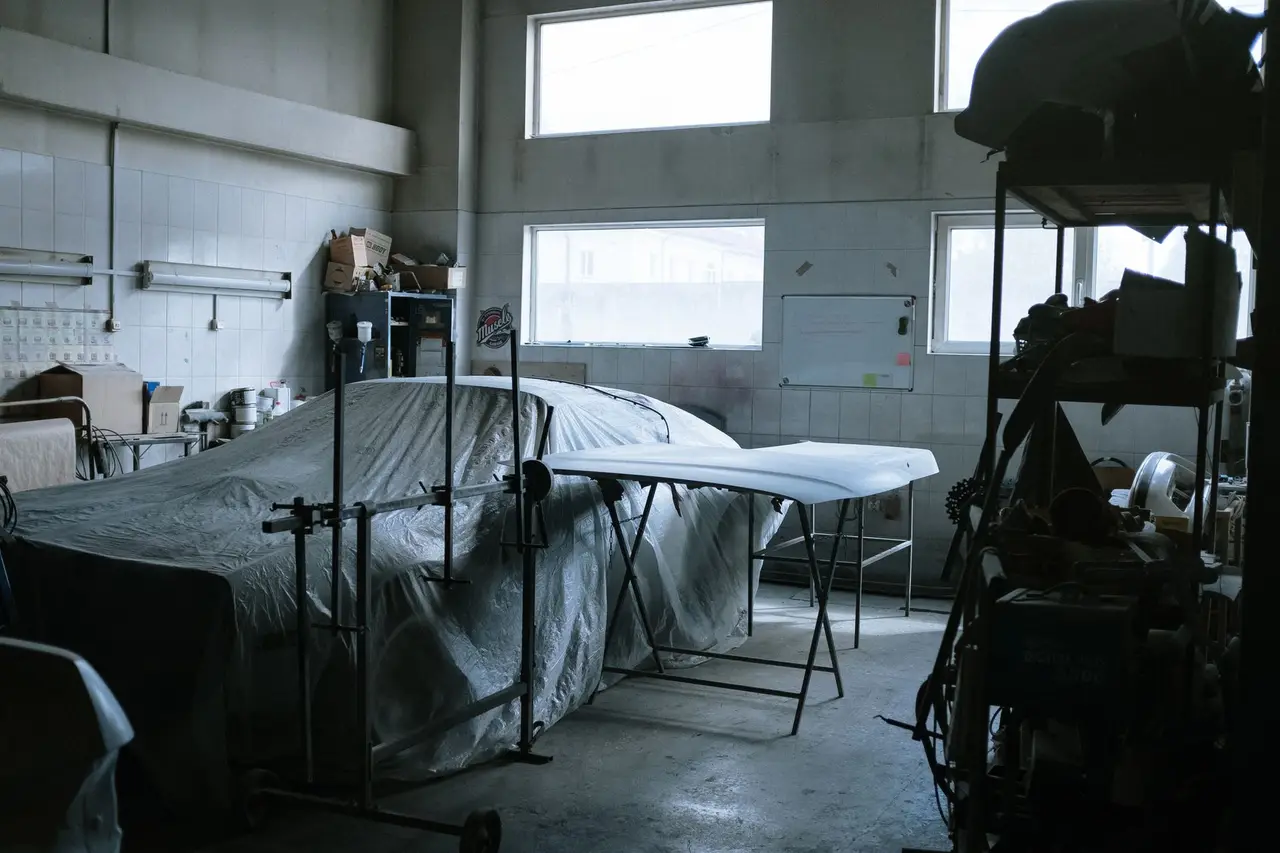
Used for underlayment and any shingle transitions, set to the correct depth so it does not overdrive into the deck.
Run across the yard after tear-off and again at final cleanup to pick up nails and screws before anyone walks barefoot.
Snapped across the deck to keep panel courses straight, which is what makes the finished roof look intentional instead of wavy.
Every crew member on a pitch above 6/12 is tied off. OSHA safety certification is not paperwork to us, it is how we keep crews on the job.
Blows debris off the panels and out of the gutters at final cleanup so the roof and drainage are clear before we leave.
For cutting underlayment, trimming closures and prying old flashing without damaging the deck around it.
We install panels to the manufacturer's written spec for gauge, fastener spacing and trim. That is what keeps the finish warranty valid and what separates a 40-year roof from a 15-year one.
Self-adhering membrane goes down at the eaves and in valleys before underlayment. It is the backup layer for wind-driven rain and ice damming, and it is standard on every metal install we do.
We calculate intake at the soffit and exhaust at the ridge so air moves through the attic. On a metal roof this is not optional - panels trap heat, and ventilation is what keeps the deck dry.
After any leak repair or flashing replacement, we water-test the detail before we leave. If it still leaks, we find out while we are on the roof, not after the next storm.
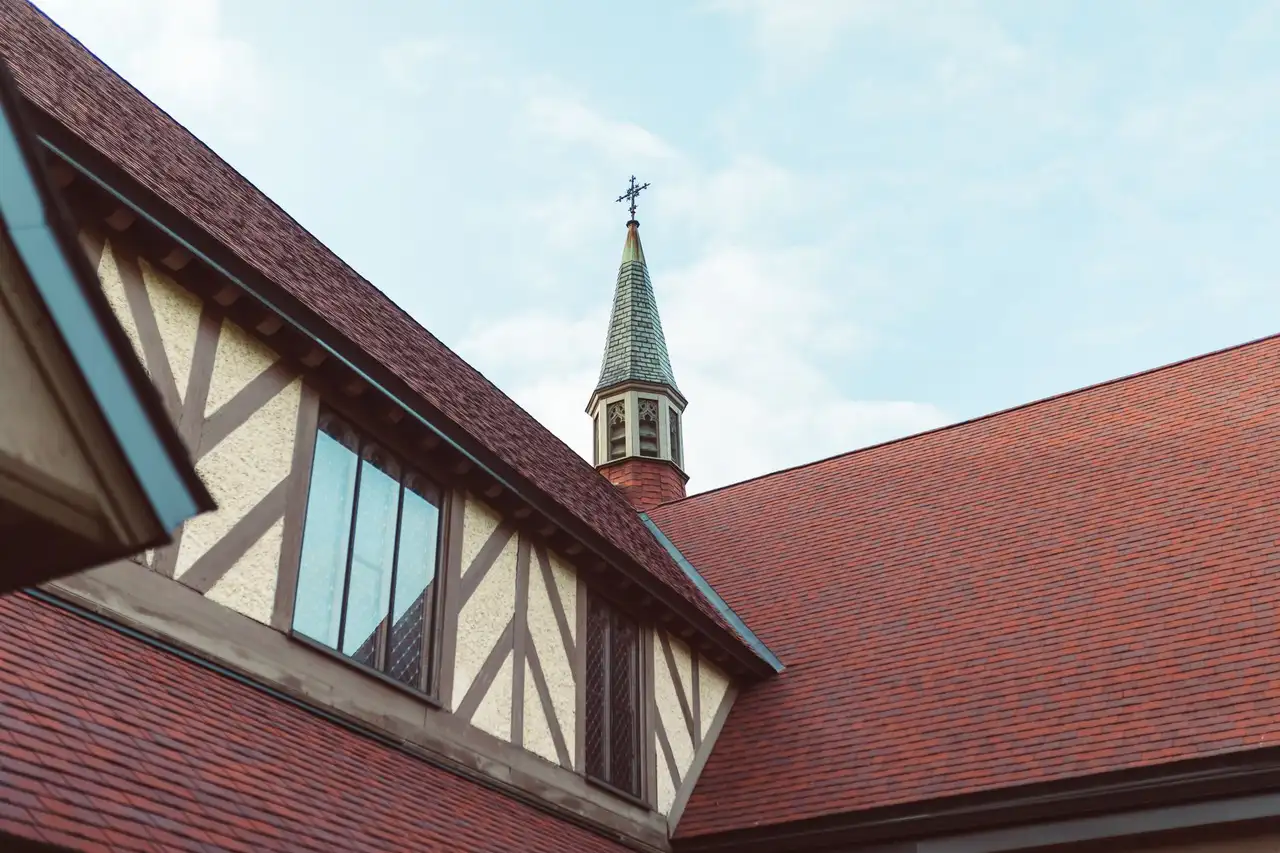
We tear off the shingles, inspect the deck, and install 26-gauge panels with new underlayment and flashing. The install takes two to four days on a typical Huntsville home. One install instead of three, with a 40 to 26 year service life and lower summer attic heat.
We document the hail damage, work with your adjuster, and install panels to manufacturer spec so the finish warranty holds. We also check gutters and ventilation while the roof is open. A storm-resistant roof that deflects future hail instead of cracking, with the claim paperwork handled.
We install the flat membrane section and detail the transition to the panels so water does not pond against the panel edge. Gutters and downspouts get sized for the combined runoff. One roof system that drains correctly from ridge to slab, with no ponding at the tie-in.
We inspect the roof, document panel gauge, fastener condition and flashing, and issue a roof certification. If repairs are needed, we quote them before the report goes out. A clean certification that keeps the transaction moving and tells the buyer exactly what they are getting.
Huntsville sits in Walker County with 95-degree summers, spring hail and wind gusts that test every fastener on your roof. That is why we spec 26-gauge panels and gasketed screws rated for the load instead of the thinnest sheet that will pass. Older homes near downtown and around the university often have multiple roof planes, valleys and chimneys - more flashing, more places for a leak, and more reason to detail the trim correctly. Newer builds out toward Crabbs Prairie and Pine Hill tend to have simpler rooflines and go faster. Either way, corrugated metal roofing in Huntsville Texas is a two to four day install on most homes, and we schedule around the weather because panels should not go down in high wind. If you are pricing corrugated metal roof cost Huntsville TX, ask any contractor what gauge and what underlayment they are quoting. The answer tells you whether you are getting a 40-year roof or a 15-year one.
Older homes with steep pitches and multiple chimneys. More flashing detail, so we budget extra time for trim work and water-testing.
Mix of newer builds and rural properties. Simpler rooflines, but wind exposure is higher, so fastener spec matters more.
Tree cover means debris on the roof and clogged gutters. We check gutters and panel edges on every estimate here.
Larger lots with shops and outbuildings. Often a metal roof ties into a flat section, so we detail the transition.
Rural homes where hail and wind hit first. We document storm damage carefully for insurance claims.
Panels trap heat, so we pair them with balanced intake and ridge venting. Without it, your AC runs harder and moisture can condense on the deck.
We fasten to current wind-uplift requirements and use gasketed screws rated for the panel. After a storm, we check ridge caps and trim first because that is where wind does damage.
Metal sheds water fast, so gutters and downspouts have to be sized for the volume. We check drainage on every install and quote replacement if the old gutters cannot handle it.
Leaves collect on panels and in gutters, holding moisture against the metal. We recommend a yearly gutter clear and a quick panel rinse to keep the finish clean.
A 2,100 square foot ranch near downtown Huntsville had three-tab shingles at 20 years old, granules in the gutters, and a ceiling stain over the back bedroom from a flashing leak at the chimney.
We tore off 21 squares, replaced four sheets of rotted decking, formed new chimney flashing, and installed 26-gauge panels with ice and water shield at the eaves. The leak stopped, and the attic ran about 15 degrees cooler the following July.
Maintenance: Clear gutters twice a year, rinse the panels each spring, and check the chimney flashing after any major hail event. That is about all a metal roof asks for.
A home in Harmony took golf-ball hail that cracked the shingles across the south slope. The insurance adjuster approved a replacement, and the homeowner wanted something that would not crack again.
We documented the damage, worked with the adjuster, and installed panels over new underlayment in three days. The hail dents on the ridge caps were the only cosmetic marks from the next storm season, and no panels lifted.
Maintenance: After a hail event, walk the perimeter and look for dented trim or ridge caps. Those are easy to replace without touching the field panels.
A shop in Phelps had a low-slope section that tied into a metal roof, and water ponded against the panel edge after every heavy rain. The fascia was soft and the gutter overflowed.
We installed a flat membrane on the low-slope section, re-detailed the transition to the panels, and replaced the gutters with seamless runs sized for the runoff. No ponding after the next spring storm, and the fascia dried out.
Maintenance: Check the tie-in flashing each fall before the rainy season, and keep the gutters clear. A five-minute look prevents most of the problems at that transition.
Metal roofs fail at the details, not the field. Here are the calls we take most often and how we handle them.
Water tracks behind the flashing and shows up as a ceiling stain weeks later. Left alone, it rots decking and framing and can void part of your panel warranty. We remove the old flashing, form new metal to the correct profile, and seal it with butyl-backed closures. Then we water-test the detail before we leave. Most flashing repairs take half a day.
Loose screws let panels lift in wind, and every lifted panel is a path for water. On a 20-year-old roof you can lose a dozen fasteners in one storm season. We walk the roof, replace gasketed screws with the correct length and washer for the panel, and re-secure any lifted sheets. We also check the ridge caps and trim, which take the most wind load.
When gutters fill, water wicks under the panel edge and rots the fascia. You get peeling paint, soft wood and eventually a leak at the eave. We clear the gutters, reseal seams, and check hanger pitch. If the gutters are undersized for a metal roof's runoff, we quote seamless replacement sized for the volume.
Panels trap heat, and without balanced intake and ridge venting your attic runs hot, your AC works harder, and moisture can condense on the deck. We calculate the ventilation your attic needs, correct the intake at the soffit, and make sure the ridge vent is sized to match. This is part of every install, not an add-on.
Pro Roofing Huntsville has been on Walker County roofs since 2000. That is 26 years of Texas heat, hail seasons and spring wind events, and it shows in how we detail a metal roof. Our crews are OSHA safety certified, carry workers compensation insurance, and install to manufacturer specifications so your panel warranty stays intact. We work with GAF, Owens Corning, CertainTeed and metal panel suppliers, and we hold manufacturer certifications that let us offer extended coverage on qualifying systems. We are also an NRCA member and a Texas-licensed roofing contractor.
Had three bids for metal panels and Pro Roofing was the only one that explained panel gauge and how they would vent the attic. Crew tore off 22 squares of old shingles in a day, replaced two sheets of rotted decking, and had panels on by the next afternoon. First summer after, the upstairs bedrooms were noticeably cooler. Two years in, no leaks.
Hail took out our shingles and we decided to go metal instead of replacing them again. They handled the flashing around the chimney properly, which is where our old roof always leaked. Walkthrough was thorough - they showed me the fastener spec and the warranty paperwork. Yard was clean, no nails left in the grass.
We have a shop building with a low-slope section that ties into the metal. Pro Roofing detailed the transition so water does not pond against the panel edge anymore. They also re-hung gutters sized for the runoff. Straight answers on pricing, showed up when they said, and the crew cleaned up better than I expected.
Most corrugated metal roof installations in Huntsville run $12,000 to $28,000 in 2026, depending on square footage, panel gauge and whether we tear off the old roof. A standard 2,000 square foot home with exposed-fastener panels usually lands in the middle of that range. Standing seam metal and complex rooflines with multiple valleys push higher. We give you an itemized number before any work starts.
We do. Pro Roofing Huntsville has installed metal panels across Huntsville and Walker County since 2000, and we are a Texas-licensed roofing contractor with manufacturer certifications. Our crews are OSHA safety certified and carry workers compensation insurance. Call us and we will walk your roof, check the deck and flashing, and quote the job in writing the same week.
A properly installed 26-gauge panel roof in this climate lasts 40 to 70 years. The panel finish and the fasteners are usually what age first, not the steel. We use gasketed screws rated for the panel, and we detail flashing and closures so water never sits against a cut edge. That is how you get the long end of that range instead of the short one.
Yes. Metal handles the three things that punish roofs here: 95-degree summers, hail, and spring wind gusts. Panels reflect heat, flex under hail instead of cracking, and we fasten to current wind-uplift requirements. The one thing to get right is attic ventilation, because a metal roof without balanced intake and ridge venting traps heat. We check that on every estimate.
Not seeing your question? Our local team can help you understand urgency, scheduling and what to expect.
Ask the local team
Full new-roof installation is how most Huntsville homeowners get into metal panels, whether it is new construction or a complete tear-off and rebuild. We handle decking, underlayment, flashing and ventilation as one system so the panel warranty holds.
View service
If your shingle roof is at the end of its life, replacing it with corrugated metal roofing in Huntsville skips the third replacement cycle. We tear off, inspect the deck, and install panels sized for your pitch and eave overhang.
View service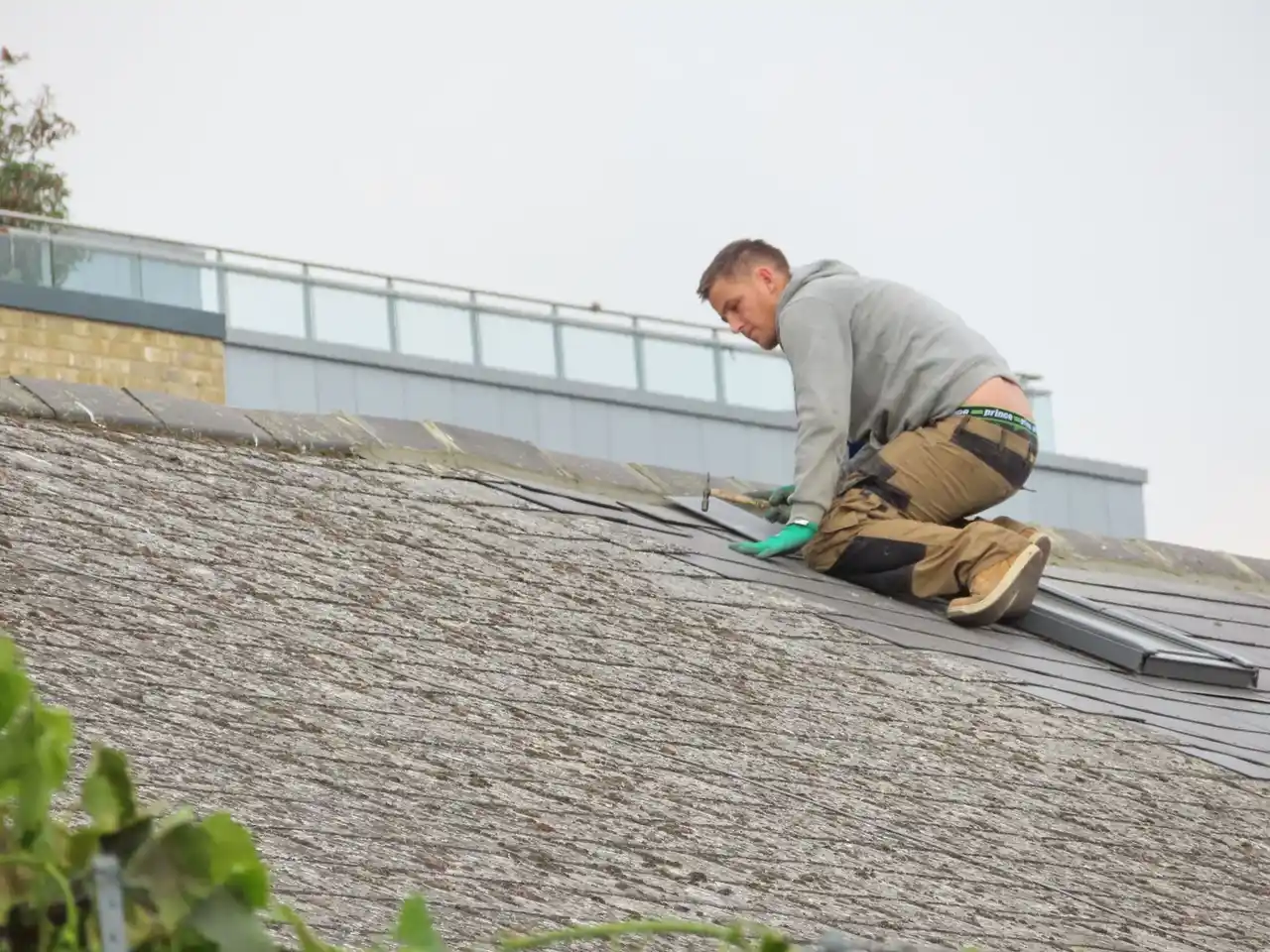
Metal roofs still need repair - usually at flashing, pipe boots or ridge caps after a storm. We match the panel profile and color so a corrugated metal roof repair Huntsville job blends in instead of looking patched.
View service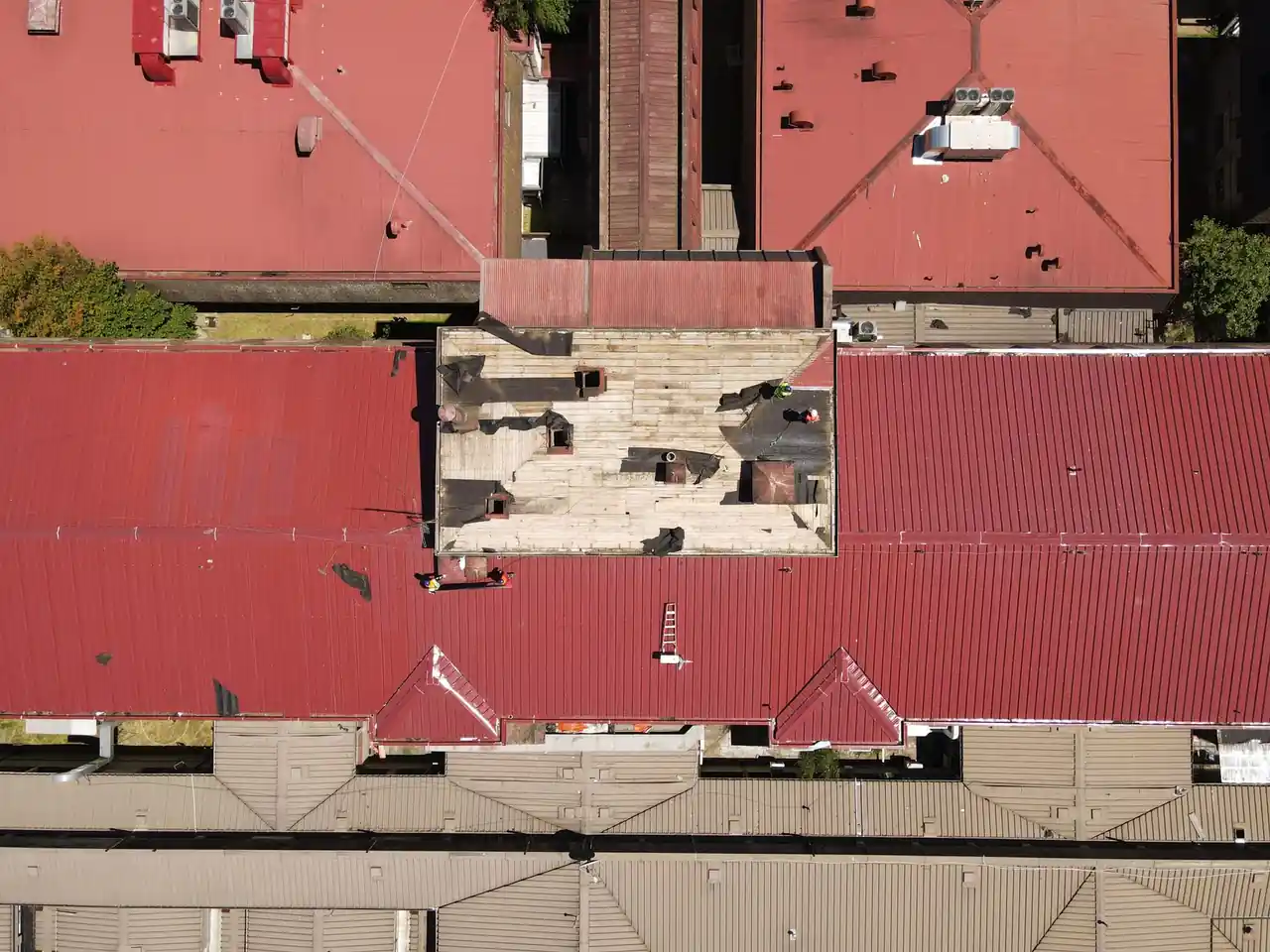
Before you commit to metal panels, an inspection tells you whether the deck, flashing and ventilation can support them. We photograph everything, check attic ventilation, and give you a written report with panel recommendations.
View service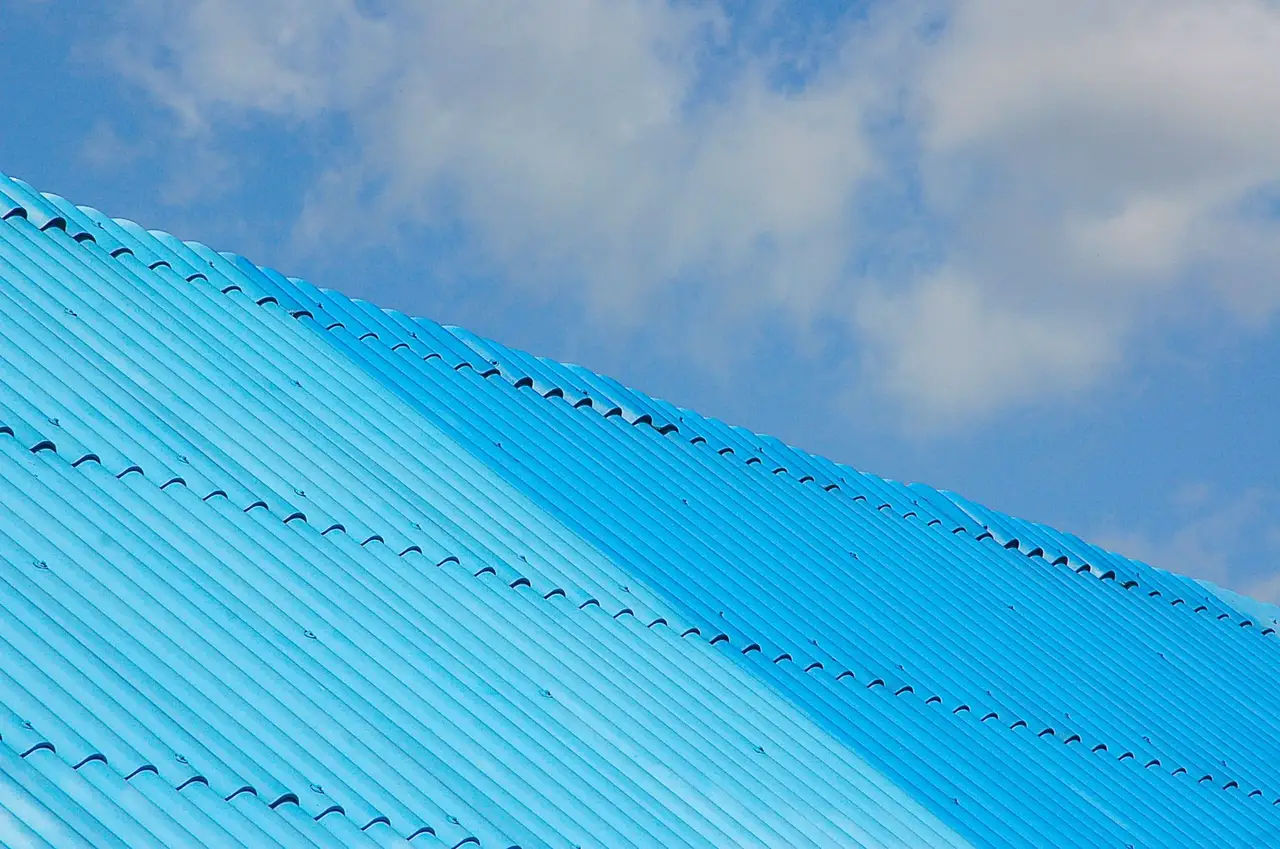
Call us any time, day or night. Our office answers from 8 a.m. to 6 p.m. Monday through Friday, and the emergency line stays open around the clock for active leaks and storm damage. Most Huntsville inspections get scheduled within 48 hours, and emergency calls get a same-day tarp.