Focused arrival windows
Useful updates and clear arrival timing.
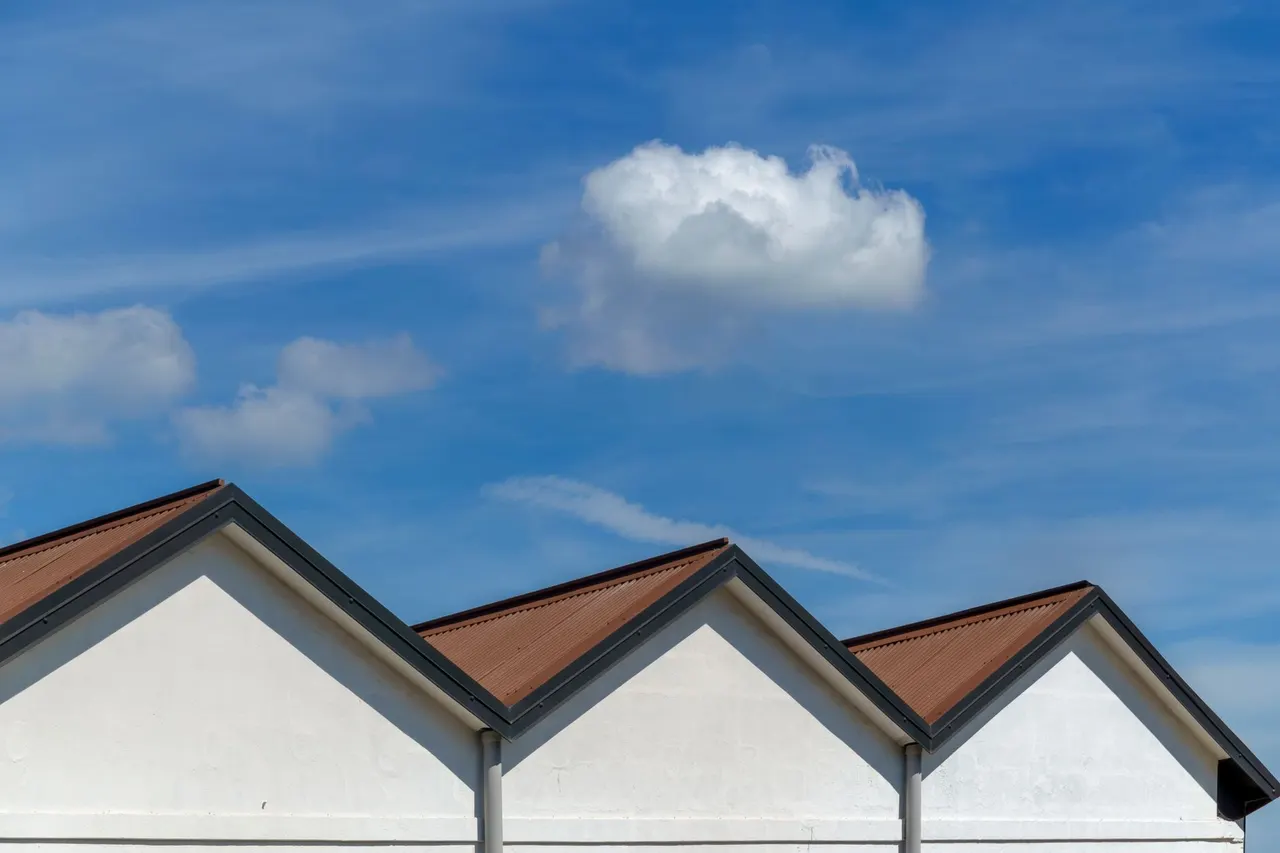
When a storm tears shingles loose or a limb punches through your decking, Emergency Tarping Huntsville TX is the fastest way to stop water pouring into your attic. We serve homeowners across Huntsville, Texas and Walker County with 24/7 emergency roof tarping in Huntsville Texas, arriving with truck-loaded tarps, cap nails, and the ladders to reach steep pitches. One call gets a crew moving.
Useful updates and clear arrival timing.
Review the approach and price before deciding.
Equipped vehicles and respectful cleanup.
Neighbors serving neighbors with follow-through.
Every tarp job is priced as a package, not a menu. Here is what comes standard when we roll up, and what we handle as a separate scope only when the damage calls for it.
We supply 6-mil UV-stabilized polyethylene tarps sized to your damage, plus cap nails, wood battens, and weighted edges for flat sections. You do not need to buy or supply anything. The tarp and hardware are part of the flat rate.
A tarp that stops at the ridge peels off in the first gust. We run the tarp over the ridge and down both slopes where possible, so wind cannot get under the leading edge. That is the difference between a tarp that holds 90 days and one that fails overnight.
We photograph the damage before, during, and after tarp placement, plus the attic side when accessible. The file goes to your email the same day, formatted for your insurance adjuster. This is the single biggest reason our customers' claims move smoothly.
Loose shingles, broken tile, and small limbs get cleared off the roof surface before the tarp goes down. A tarp laid over debris punctures and leaks. We bag the small stuff and stage larger debris at the curb for pickup.
You get a written scope for the permanent repair before we leave, with materials, timeline, and cost. No pressure to book on the spot. Most customers review it with their adjuster first, which is exactly how it should work.
Share what is happening and receive a clear next step from the local team.
Emergency Tarping Huntsville TX is a temporary roof-sealing service that covers storm-damaged areas with heavy-duty polyethylene or reinforced canvas tarps to stop active water intrusion until permanent repairs can be scheduled. We anchor the tarp over the ridge, batten it down with cap nails and wood battens, and seal penetrations around vents and chimneys. A typical 1,200-square-foot tarp-over takes two to four hours on a single-story ranch home.
Huntsville sits in a hail and wind corridor that runs through Walker County, and spring squall lines routinely peel back asphalt shingles or crack flashing before a homeowner even gets home from work. If you search emergency roof tarping near me Huntsville TX at 2 a.m., you need a roofer who will actually answer. We keep a night crew on rotation because a tarp a leaking roof Huntsville job at midnight prevents a $6,000 drywall and insulation replacement the next morning.

You call, a real person answers, and we ask three questions: where is the water showing up, what does the roof look like from the ground, and is anyone injured. That tells us whether to send a tarp crew or coordinate with a tree service first. Takes about four minutes. You get a text with the tech's name and ETA.
The crew walks the perimeter, checks the attic from inside when it is safe, and photographs the damage before touching anything. We look for missing shingles, hail damage, wind damage, and flashing failure at the same time. This is where we decide tarp size and anchor points. Ten to twenty minutes on a typical Huntsville ranch home.
We lay a 20x30 or 30x40 reinforced tarp over the damaged section, run it past the ridge for wind resistance, and fasten it with cap nails into solid decking, not just shingle. Battens go down every four feet. A roofing ladder and safety harness keep the crew tied off on steep pitches. Two to four hours for most jobs.
Before we pack up, we run water at the hose bib and watch the attic side for drips. If water still finds a path around a chimney or vent boot, we add a second layer and seal it with modified bitumen tape. You get a written tarp placement note and photos in your email before we leave the driveway.
The tarp is a bridge, not a destination. We hand you a written scope for the permanent fix, whether that is a shingle repair, a section replacement, or a full roof replacement, and schedule it around your adjuster's inspection. Most Huntsville customers book the permanent repair within two weeks of the tarp going down.
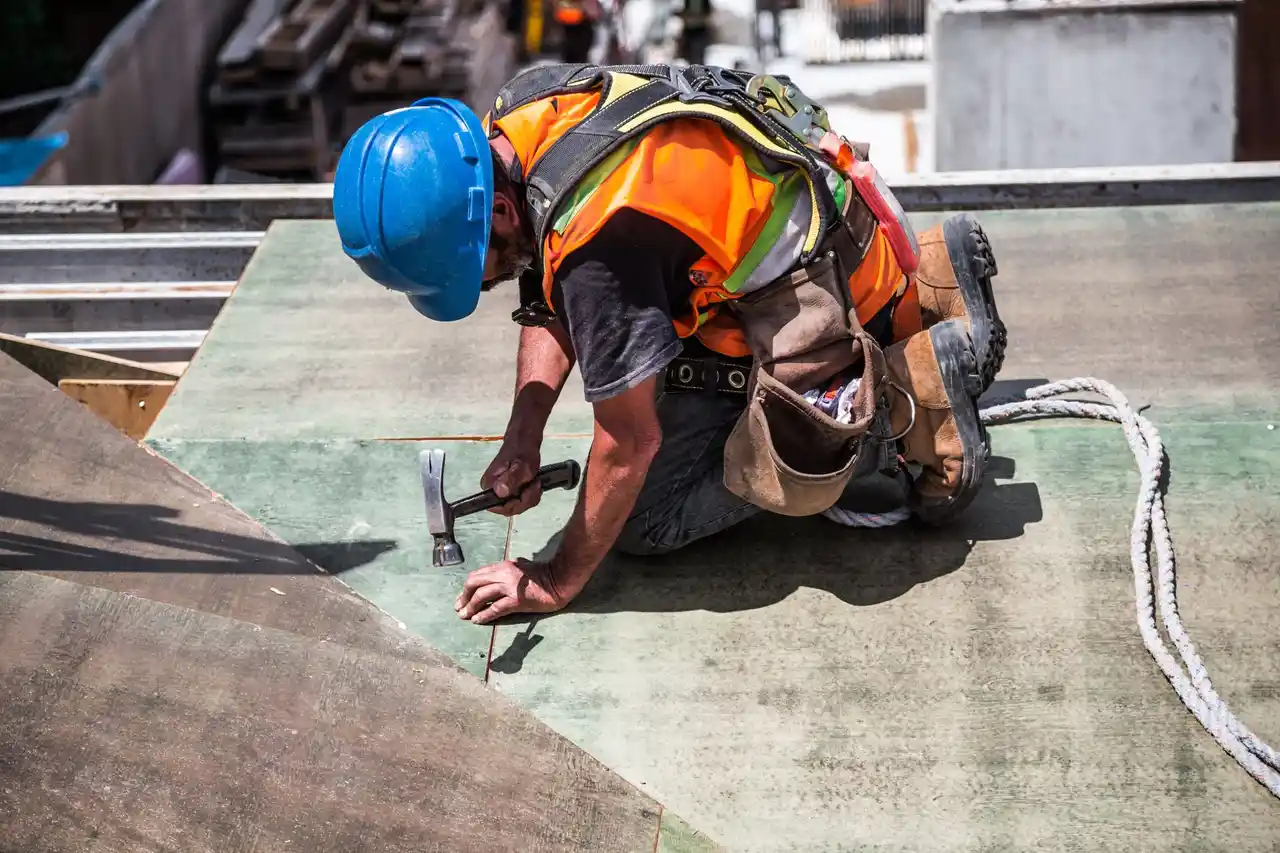
Getting the crew onto steep pitches safely. Every harness is inspected daily, and ladders are footed on stable ground before anyone climbs.
Anchoring the tarp into solid decking rather than shingle. Battens every four feet keep the tarp from flapping in high wind.
Trimming tarp edges cleanly and lifting damaged shingles or flashing to inspect what is underneath before we cover it.
Picking up loose nails and fasteners from the yard and driveway after the job. Nobody wants a flat tire from our work.
Clearing debris and standing water off the roof surface so the tarp lays flat and seals properly.
Marking anchor rows so battens are evenly spaced and the tarp pulls tight without wrinkles that catch wind.
Sealing around chimneys, vent boots, and other penetrations where a tarp alone cannot create a watertight edge.
We run the tarp over the ridge and down both slopes wherever the damage allows. This prevents wind from getting under the leading edge, which is the number one cause of tarp failure in Texas storms.
Cap nails go into solid decking, not just shingle, and wood battens distribute the load across the tarp. This pattern holds up to 40 mph gusts, well beyond what a stapled tarp can take.
Chimneys, vents, and skylight curbs get a layer of modified bitumen tape under the tarp edge. That seals the gaps a flat tarp cannot cover and stops the slow drip that shows up three days later.
Every job gets timestamped photos of the damage, the tarp placement, and the attic side when accessible. The file is formatted for insurance adjusters and emailed the same day.
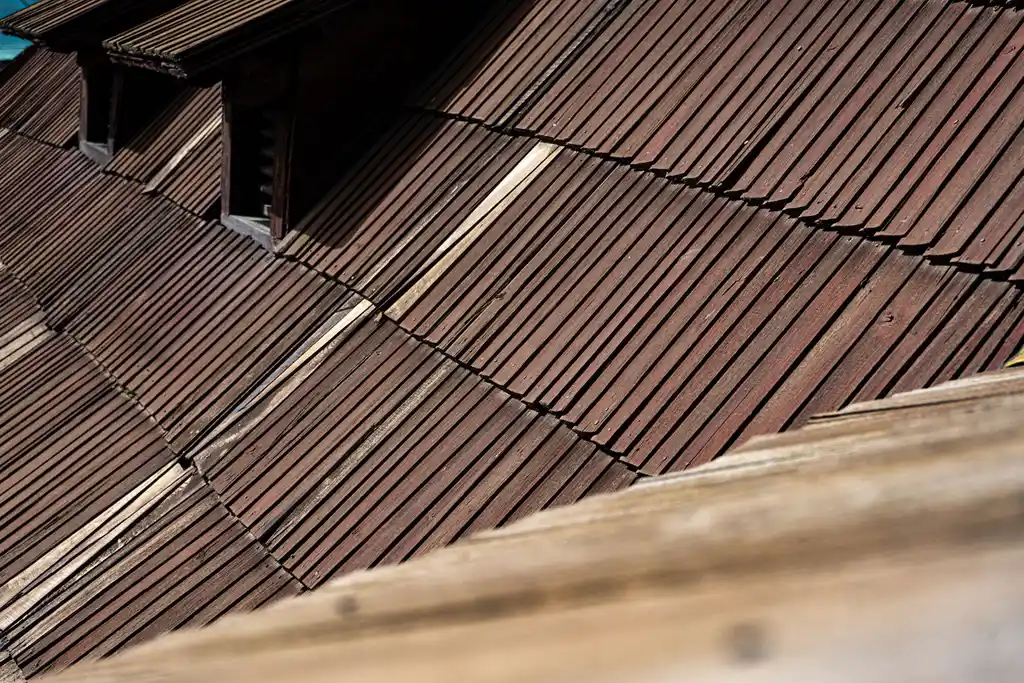
We roll a 20x30 reinforced tarp over the affected slope, anchor it past the ridge, and batten every four feet. The crew photographs the missing shingle field and emails the file to your adjuster before leaving. The attic stays dry through the next storm, and your claim is documented with timestamped photos from the same night.
Our night crew arrives within 90 minutes, clears the limb, and tarps the puncture from ridge to eave. We check the attic from inside to confirm the leak has stopped and place a second layer if needed. No water reaches the bedroom ceiling, and the permanent repair is scheduled for the following week.
We tarp the ridge with non-penetrating anchors to avoid adding holes to the standing seam panels, then document the cracked caps for the insurance file. The home is protected while the owner is away, and the metal repair is booked for their return.
We tarp the failed seam with a 40x60 commercial tarp and weighted edges, then schedule a heat-welded repair with matching membrane. The tenant space stays dry, and the repair is completed without a full membrane replacement.
Huntsville sits in a hail and wind corridor that runs from the Brazos Valley up through Walker County, and the building stock reflects it. Most homes here are single-story ranches with asphalt shingle roofs on 4/12 to 6/12 pitches, which are fast to tarp and easy to walk. But the older homes near the courthouse square have steep 10/12 pitches and original decking that splits when you drive a nail, so we switch to battens and shorter fasteners. Summer heat pushes attic temperatures past 140 degrees, which is why we tarp in the early morning or late evening when possible. If you need emergency tarping for roof leak Huntsville TX 77340 during a spring squall, we are likely already rolling. We keep tarps, cap nails, and battens on every truck, so we do not have to detour to the shop. For storm damage roof tarping Walker County TX, we coordinate with local tree services when a limb has to come off before we can safely tarp.
Older homes with steep pitches and original decking. We use shorter fasteners and battens to avoid splitting the wood.
Rural properties with mature trees and long driveways. Limb damage is common, and we often coordinate with a tree service before tarping.
Mix of 1990s ranches and newer builds. Shingle loss after hail is the most frequent tarp call here.
Larger lots with outbuildings. We tarp barns and shops as well as homes when storm damage hits.
Metal roofs are common. We use non-penetrating anchors where possible to avoid adding holes to standing seam panels.
These storms peel shingles and lift ridge caps fast. We staff extra night crews from March through June to keep response times under three hours.
Hail damage often leaks weeks later. We tarp the visibly damaged area and document the bruising for your adjuster so the claim covers the full field.
Heat speeds tarp degradation and makes daytime roof work dangerous. We schedule tarp jobs early morning or late evening in July and August.
Foundation movement opens gaps at flashing and ridge lines. We check those areas during every tarp job and note them for permanent repair.
A June hail event cracked the ridge cap on a 1,800-square-foot ranch home in Pine Hill. Water was dripping into the hallway ceiling within two days, and more storms were forecast for the weekend.
We tarped the ridge from eave to eave with a 30x40 reinforced tarp, anchored with cap nails and battens every four feet. The leak stopped the same afternoon. The permanent ridge replacement was completed 11 days later, and the ceiling stain was painted over after drying.
Maintenance: We recommend an annual ridge inspection each spring before storm season. Catching cracked caps early avoids the tarp call entirely.
A 2 a.m. thunderstorm dropped a limb through the back slope of a home in Crabbs Prairie. Water was running down the inside of the exterior wall by morning, and the homeowner could not reach anyone until 7 a.m.
Our night crew arrived within 90 minutes of the call, cleared the limb, and tarped the puncture from ridge to eave. The attic stayed dry through the next rain band. The permanent decking and shingle repair was finished nine days later.
Maintenance: Keep trees trimmed back at least 10 feet from the roofline. Most limb punctures we see come from overhanging branches that were never cut.
A commercial building near Highway 30 had a TPO membrane seam fail during a heavy rain event. Water was ponding on the flat roof and dripping into the tenant space below, threatening inventory.
We tarped the failed seam with a 40x60 commercial tarp and weighted edges within two hours. The tenant space stayed dry, and a heat-welded repair with matching membrane was completed the following week. No full membrane replacement was needed.
Maintenance: Schedule a seam inspection every fall. TPO seams are the first failure point on flat roofs, and catching them early avoids emergency calls.
Most of our tarp calls come from four situations. If yours is on this list, you are in the right place, and we have seen it hundreds of times across Walker County.
Every hour of water intrusion soaks insulation, stains drywall, and can short attic wiring. A small leak becomes a $5,000 interior repair fast. We tarp the entry point within hours, seal around penetrations, and verify the leak has stopped before we leave. You get a dry attic and a documented mitigation record for your claim.
Exposed underlayment degrades in days under Texas sun, and the next rain goes straight through. Adjacent shingles loosen as wind gets under the edges. We cover the exposed decking with a reinforced tarp anchored into solid wood, then photograph the missing shingle field for your adjuster. Permanent repair follows once materials are ordered.
Flashing leaks are slow and sneaky, showing up as ceiling stains weeks later. By then, the decking around the penetration has started to rot. We tarp over the failed flashing and seal the edges with modified bitumen tape, then schedule a permanent flashing rebuild. We check every penetration on the roof while we are up there.
Standing water finds every seam and fastener. A ponded section can leak into a commercial space and shut down operations for days. We tarp the ponding area with weighted edges and address the drainage path as part of the repair. For TPO and EPDM systems, we schedule a heat-welded or adhesive patch that matches the membrane.
Pro Roofing Huntsville has been on roofs since 2000, which means we have tarped through Hurricane Rita remnants, the 2011 drought that curled every shingle in the county, and the hailstorms that hammered Huntsville in 2023 and 2025. Our crews hold OSHA safety certification and carry workers compensation insurance, and we are an NRCA member shop. We train on GAF Master Elite and Owens Corning Preferred Contractor standards, so the same discipline that goes into a full replacement goes into a tarp at 3 a.m.
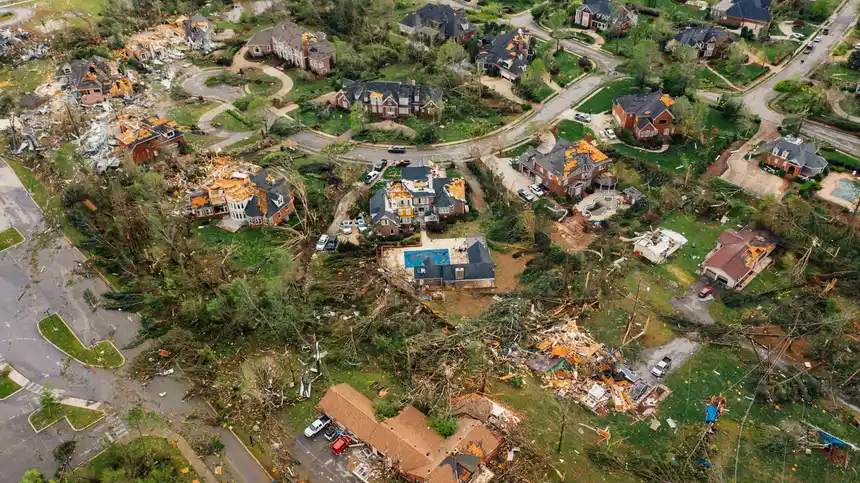
A limb came through the back slope during a May storm and water was running down the inside of the wall by 9 p.m. Pro Roofing had a tarp on it before midnight. They photographed everything, sent it to my adjuster, and the claim moved faster than I expected. The tarp held until the permanent repair two weeks later.
I called three roofers after hail cracked my ridge. Two never called back. Pro Roofing answered on the second ring, quoted a flat rate, and tarped the same afternoon. They even swept the driveway with a magnetic sweeper for nails before they left. That is the kind of detail you remember.
We manage a small commercial building near the square with a flat TPO roof that ponded after a heavy rain. Pro Roofing tarped the seam failure within two hours of my call and had a heat-welded repair scheduled the same week. Clean work, clear invoice, no runaround.
Pro Roofing Huntsville does, and we have since 2000. We run 24/7 crews out of Huntsville and cover all of Walker County, including Crabbs Prairie, Phelps, and Dodge. Call 766837673 and a live dispatcher will get a tarp crew moving. Most jobs are tarped within two to four hours of the call, faster during daylight.
Typical 2026 pricing in Huntsville runs $250 to $650 for a standard residential tarp-over, depending on roof pitch, square footage, and how much debris has to be cleared first. Steep two-story homes and large commercial sections run higher. We confirm the flat rate on the phone before we dispatch, so there is no surprise invoice.
Yes. Our night crew covers Huntsville, TX and the surrounding ZIP codes 77340, 77341, 77342, 77343, and 77344. After-hours calls get a crew rolling within about 60 minutes in most of the county. If you are outside that radius, we will tell you honestly on the phone rather than leave you waiting.
A properly installed tarp holds 30 to 90 days in Texas heat before UV degradation starts. That is enough time to schedule a permanent repair and work through your insurance claim. We recommend permanent repairs within 60 days. Leaving a tarp past 90 days risks wind damage to the tarp itself and further wear on the exposed decking.
Not seeing your question? Our local team can help you understand urgency, scheduling and what to expect.
Ask the local team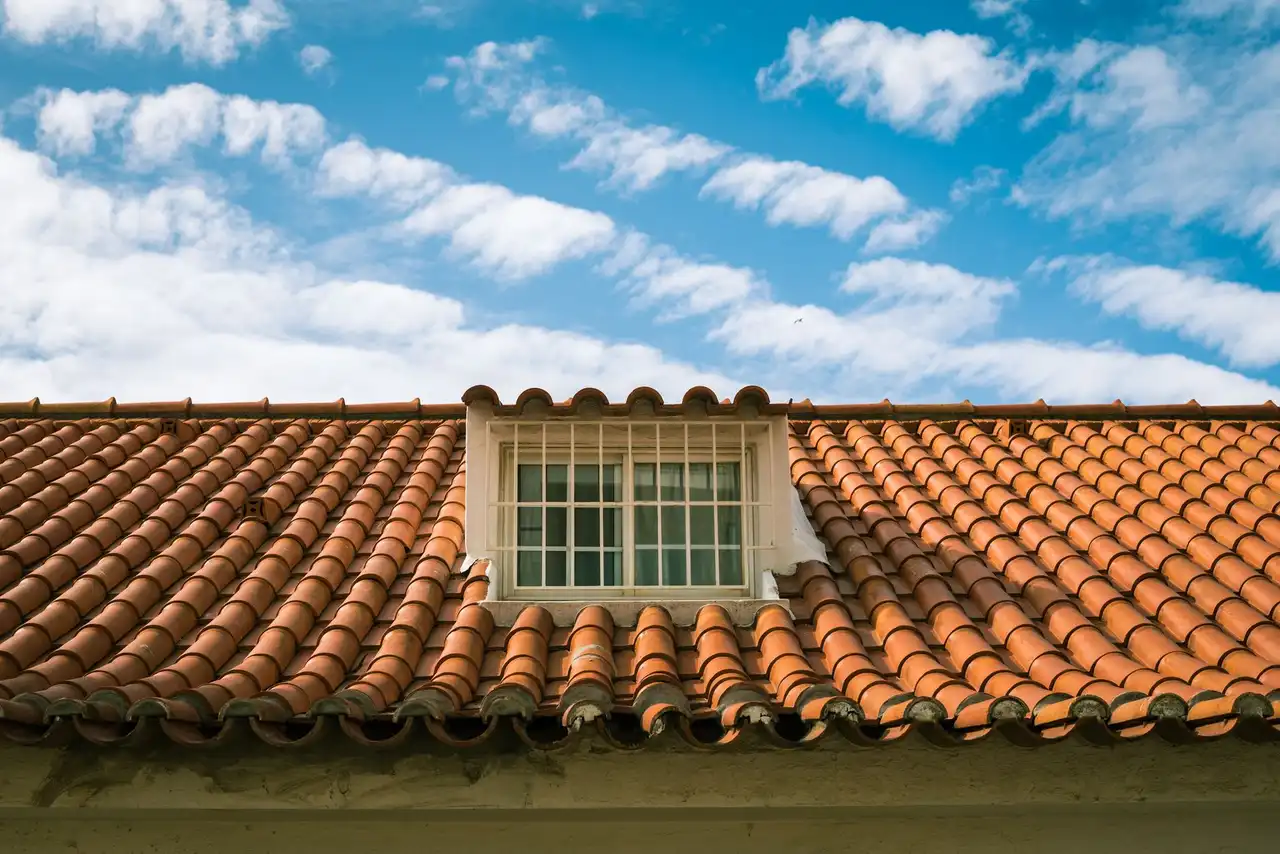
Once the tarp comes off, a full installation may be the smarter spend if the decking is compromised. We install GAF and Owens Corning systems across Huntsville with manufacturer-backed warranties.
View serviceStorm damage that warrants a tarp often triggers a full replacement. We handle the tear-off, decking repair, ice and water shield, and new architectural shingles in one scheduled job.
View service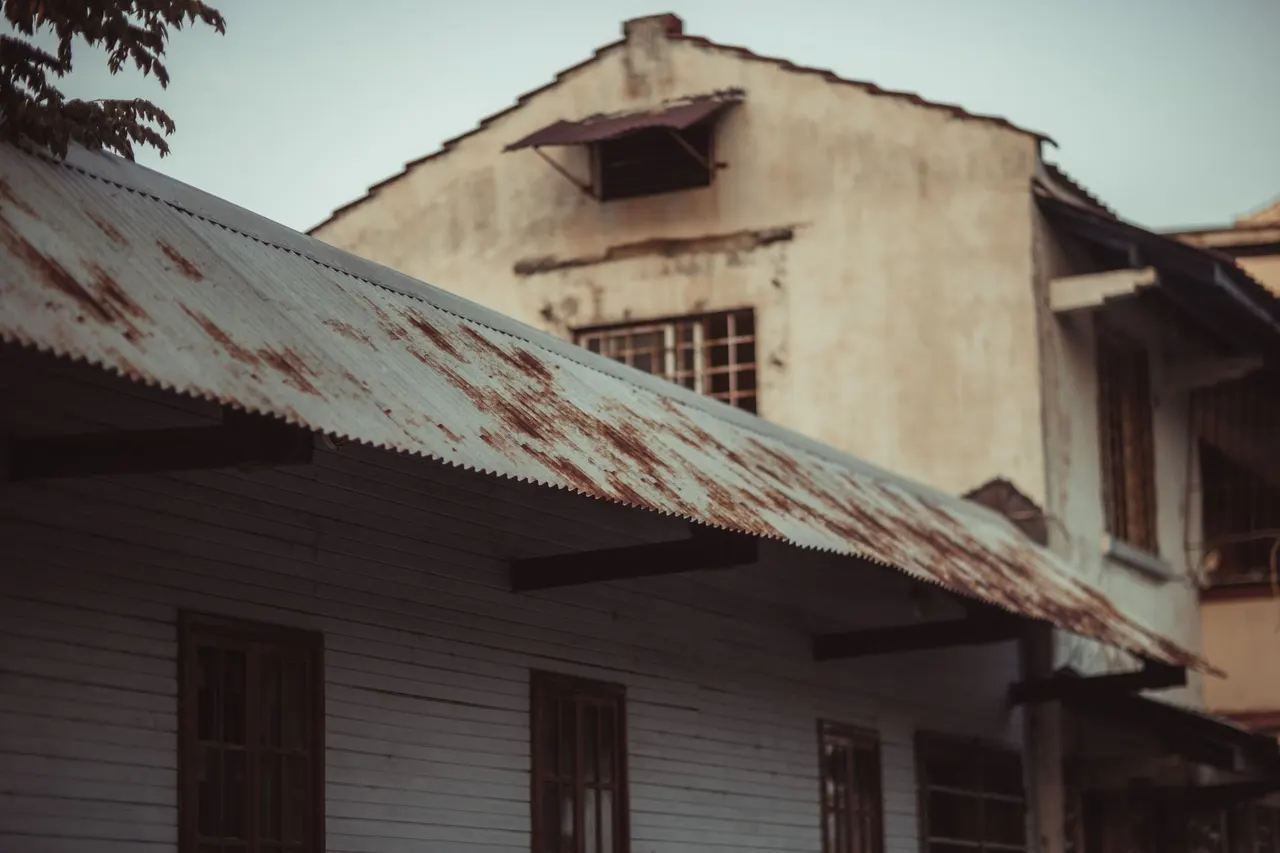
For isolated damage, a targeted repair is cheaper than replacement. We replace missing shingles, reset flashing, and seal penetrations so the repaired section matches the surrounding field.
View service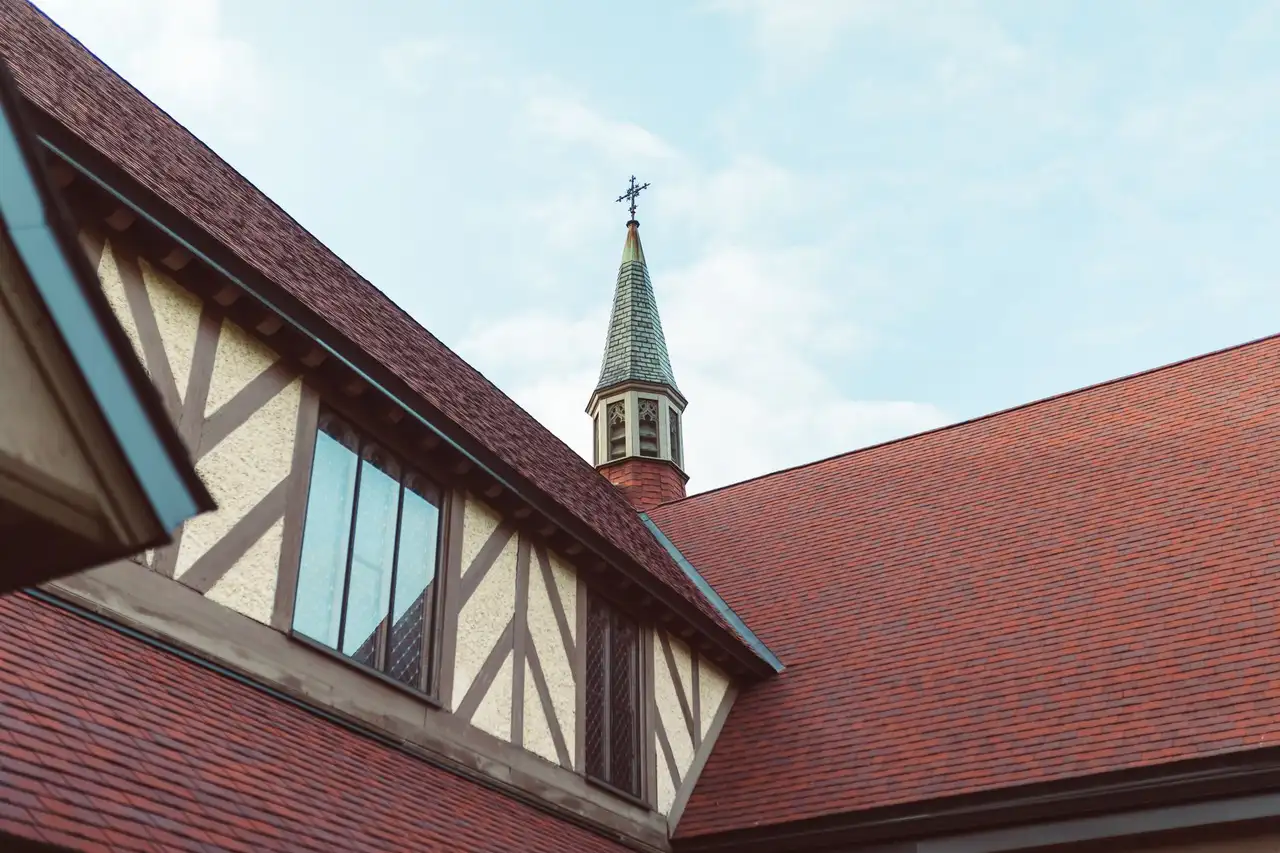
After a tarp comes down, a full inspection catches damage the tarp hid. We check ridge vent, drip edge, and underlayment, then give you a photo report with findings ranked by urgency.
View service
Call us any time, day or night. Our office answers from 8 a.m. to 6 p.m. Monday through Friday, and the emergency line stays open around the clock for active leaks and storm damage. Most Huntsville inspections get scheduled within 48 hours, and emergency calls get a same-day tarp.