Focused arrival windows
Useful updates and clear arrival timing.
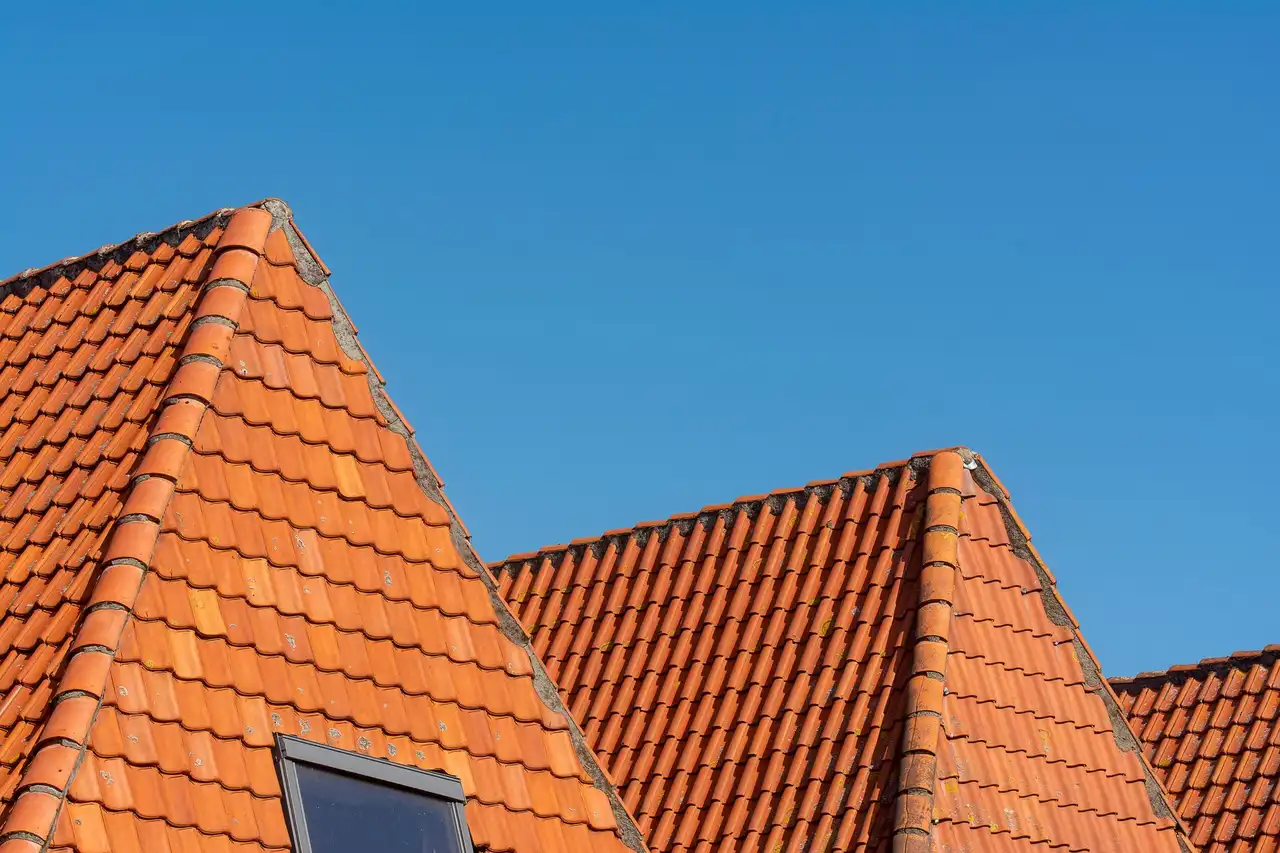
Roof Inspection Huntsville TX is how you find out what your roof is really doing up there before a small problem turns into a five-figure replacement. We climb, photograph, and document every slope, valley, and flashing detail, then hand you a plain-English report with priorities and real numbers. If you have storm damage, an insurance claim, or a roof over 12 years old, book a roofing inspection Huntsville homeowners trust.
Useful updates and clear arrival timing.
Review the approach and price before deciding.
Equipped vehicles and respectful cleanup.
Neighbors serving neighbors with follow-through.
Every inspection covers the full roof system, inside and out. Add-ons like roof certification letters and drone imaging for steep or tall roofs are available when needed. Here is what you get as standard.
Every slope, ridge, valley, hip, and penetration gets checked by hand. We look at shingle condition, flashing, drip edge, and pipe boots. No drone-only shortcuts on a standard roof.
We inspect the underside of the deck for staining, daylight, and rusted fasteners. Ridge vent and soffit intake get checked together, because poor attic ventilation is a leading cause of premature roof aging.
Every defect is photographed and labeled by slope and area. You get the full set, formatted for insurance claims or real estate files if you need it that way.
Same-day report with three tiers: fix now, watch this, and healthy. Each item includes a price range so you can budget without calling us back for numbers.
Clogged gutters and failing downspouts push water into fascia and foundations. We check flow, granule buildup, and discharge points as part of the inspection.
You get a short list of things to do between inspections, like clearing valleys and checking sealant. Those small habits are what stretch a roof from 15 years to 22.
Share what is happening and receive a clear next step from the local team.
A Roof Inspection Huntsville TX is a top-to-bottom evaluation of your roof system, not a quick glance from the driveway. We walk every slope, check the ridge cap and hip lines, probe the underlayment at penetrations, and inspect the drip edge, flashing, and pipe boots. Inside the attic we look for daylight, water staining, and poor attic ventilation that cooks shingles from underneath. We also check gutters for granule buildup, which tells us how much life your asphalt shingles have left.
Huntsville sits in Walker County where summer attic temperatures push past 140 degrees and spring hail rolls through in minutes. That combination ages roofs fast. If you have been searching roof inspection near me Huntsville and keep putting it off, the cost of waiting usually shows up as a ceiling stain or a soft deck board. A home roof inspection Huntsville TX performed every 12 to 18 months catches those failures while they are still a repair, not a replacement.
You call 766837673 and tell us what you are seeing: a stain, a missing shingle, a recent hailstorm, or a real estate deadline. We ask the age of the roof and whether you have filed a claim. That call takes five minutes and sets the scope before we ever load a ladder.
We set a roofing ladder, clip into a safety harness, and walk every slope. We check ridge cap, valleys, step flashing, drip edge, and pipe boots. A magnetic sweeper follows behind us so no nails end up in your driveway or your tires.
Inside, we look for daylight through the deck, water staining on rafters, and rusted nail heads. We check ridge vent and soffit intake to confirm the attic is breathing. Poor ventilation is one of the most common causes of premature roof aging in Texas.
Every defect gets a photo with a location note. You see what we see, labeled by slope and area. If you are filing a claim, this set is formatted for your adjuster. If you are not, it becomes your maintenance punch list.
Same day, you get a written report with three tiers: fix now, watch this, and healthy. We include a price range for each item so you can plan. No pressure, no upsell script. You decide what happens next.
Safe access to every slope, including steep pitches. The harness is non-negotiable on two-story and steep roofs.
Careful lifting of shingle tabs and flashing to check the underlayment and ice and water shield beneath, without causing new damage.
Marking repair areas and cutting replacement shingles to fit cleanly so the repair blends with the existing roof.
Picking up loose nails and staples from the yard and driveway after every inspection. Your tires will thank us.
Clearing valleys, gutters, and ridge lines so we can actually see the roof surface and check drainage flow.
Confirming wet decking and insulation in the attic, and documenting hard-to-reach areas around chimneys and skylights.
We inspect each roof plane individually rather than scanning from one spot. This catches isolated damage that a quick walkover misses, especially on multi-slope homes common in Huntsville.
Starting in the attic tells us where water is actually entering before we get on the roof. That sequence saves time and prevents us from chasing the wrong slope.
Every defect gets a photo with a slope and area label. The result is a report you can hand to an adjuster, a lender, or a buyer without extra explanation.
Findings are sorted into fix now, watch, and healthy. That structure lets you budget instead of facing one lump sum, and it keeps urgent items from getting lost in the list.
We check flashing and penetrations against GAF, Owens Corning, and CertainTeed installation standards. If a prior repair does not meet spec, we flag it before it becomes a warranty problem.
We perform a certification-grade inspection with a written statement of remaining service life in years. The report is formatted for real estate files and closes on schedule. You get a clear pass or fail with a number, so the deal does not stall on roof questions.
We inspect for bruised shingle mat, dented soft metals, and granule loss, then document everything in adjuster-ready format. You decide whether to file with real evidence in hand. You either file a well-documented claim or learn your roof is fine and save the hassle.
We walk the roof, check the underlayment and flashing, and review attic ventilation. The report tells you what to fix now and what to watch over the next few seasons. You get a realistic remaining-life estimate and a maintenance plan instead of a surprise replacement bill.
We trace the leak to its entry point, usually flashing or a pipe boot, and photograph the path. Then we quote the repair, not a full replacement. The leak gets fixed at the source, and you avoid tearing into the ceiling until you know the real cause.
Huntsville roofs take a specific beating. Summer attic temperatures push past 140 degrees, spring hail rolls through Walker County in minutes, and humidity sits on the deck year-round. That combination means asphalt shingles here age faster than the national average, and flashing sealant dries out sooner. We inspect with that in mind, paying extra attention to ridge vent, soffit intake, and anything that traps heat. The city also has a wide mix of building stock, from 1950s homes near downtown to new construction off Highway 30, and each one fails differently. Older homes often have layered shingles and undersized ventilation; newer ones tend to have installation shortcuts at penetrations. If you have been putting off a roof inspection in Huntsville Texas, the best window is spring, right after hail season and before the summer heat sets in. Fall is the second-best slot, especially before winter rain. We cover ZIP codes 77340, 77320, and 77343 regularly, and we know which neighborhoods see the most wind-driven damage.
Older homes with layered shingles and original decking. We check for nail pops and sagging between rafters, which is common on this housing stock.
Tree-heavy lots mean more leaf debris in valleys and gutters. Clogged drainage is the most common issue we find here.
Open acreage with fewer windbreaks. Roofs here take more direct wind loading, so we check ridge cap and hip shingles closely.
Mix of older farmhouses and newer builds. We adjust the inspection to the roof type, since the failure points are completely different.
Heat bakes shingles from underneath and shortens roof life. We check ventilation on every inspection because this is the number one cause of premature aging here.
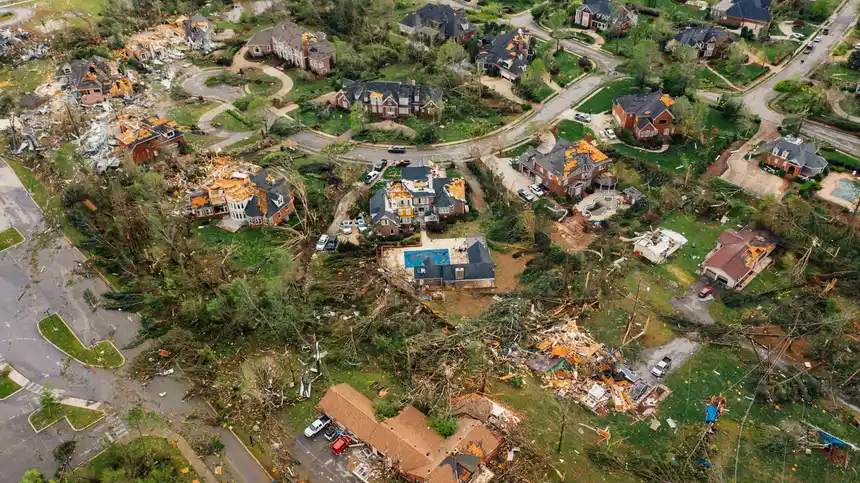
Hail bruises shingle mat and dents soft metals. We document damage in adjuster-ready format so claims move faster after a storm.
Moisture sits on the deck and speeds up rust on fasteners and flashing. We check for rusted nail heads and failing sealant during every attic walk.
Leaves and limbs clog valleys and gutters, and shade keeps shingles damp longer. Drainage checks matter more on these lots.
A two-story home in Pine Hill had visible dents in the gutters after a spring hailstorm. The homeowner assumed the whole roof was gone and was bracing for a full replacement quote.
Our inspection found bruising on two slopes and a cracked pipe boot, but the other slopes were healthy. The insurance claim covered the damaged sections, and the total repair came in under $3,200 instead of a $16,000 replacement.
Maintenance: We recommended an annual inspection each spring after hail season, plus a quick gutter check every fall to keep drainage clear.
A homeowner in Crabbs Prairie had a ceiling stain that kept growing after heavy rain. Two previous contractors had patched shingles without finding the source, and the stain returned each time.
We traced the water to a failed step flashing at the chimney, not the shingle field. The repair took about three hours and cost under $600. Six months later, the ceiling was dry and the stain had stopped spreading.
Maintenance: We resealed the flashing and recommended checking chimney flashing every two years, since that is where most leaks start on this roof style.
A rental property near downtown had a 15-year-old shingle roof that was aging faster than expected. The owner was told by another company that replacement was the only option.
Our inspection found the attic had almost no soffit intake, so heat was trapped and cooking the shingles. We added intake vents and cleared the ridge vent, and the roof is now tracking toward 22 years instead of failing at 16.
Maintenance: We check the ventilation balance at every annual inspection and clear the soffit vents each spring to keep airflow moving.
Most roof failures start small and stay invisible until they are expensive. These are the issues we find most often in Huntsville.
Water travels along rafters before it shows as a stain. By the time you see it, decking and insulation are often already damaged, and mold can start within 48 hours. We trace the water path to its actual entry point, usually a flashing failure or cracked pipe boot. Then we repair the source, not just the stain, so it does not come back next rain.
One missing shingle exposes the underlayment to UV and rain. Neighboring shingles lose their seal and the damage spreads across the slope within a season. We document the missing shingles with photos, check surrounding tabs for seal failure, and replace them with matching material. If the damage is storm-related, the report supports your insurance claim.
Hail bruises the shingle mat and knocks granules loose. The roof looks fine from the ground but loses years of life, and the damage worsens every summer. We inspect for bruised mat, dented soft metals, and granule loss in gutters. That evidence gets documented in adjuster-ready format so your claim has the proof it needs.
A sealed attic hits 140 degrees or more in a Texas summer. That heat bakes shingles from underneath and cuts roof life by years, even on a well-installed roof. We check ridge vent and soffit intake together and measure whether the attic is actually breathing. If it is not, we recommend the ventilation fix that matches your roof design.
Water that cannot drain sits against the fascia and soffit, rots the wood, and eventually finds its way into the wall cavity or foundation. We clear and check the full gutter run during the inspection, then flag any sagging or undersized sections. Fixing drainage is usually far cheaper than fixing rot.
Pro Roofing Huntsville has been on roofs since 2000, which means 26 years of Texas heat, hail, and humidity behind every inspection. Our inspectors are trained to manufacturer standards from GAF, Owens Corning, and CertainTeed, and we work to NRCA guidelines on flashing and ventilation. We have inspected everything from 1950s pier-and-beam homes near the courthouse to new builds off Highway 30. That range matters, because a 70-year-old roof deck fails differently than a 2020 build.
I called after a hailstorm because I could see dents in the gutters. They walked the roof, took photos of every slope, and had a report to me that afternoon. Turned out I had bruising on two slopes and a cracked pipe boot. The insurance adjuster approved the claim without a single question because the documentation was that clean.
We were selling our house and the buyer wanted a roof certification. Pro Roofing Huntsville came out, inspected everything, and gave us a written report saying the roof had about nine years left. The sale closed on schedule. They did not try to sell us a replacement we did not need.
I manage four rental houses in town and use them for annual inspections on all of them. They catch the small stuff, reseal the pipe boots, clear the valleys, and send me a report with photos. In three years I have not had a single emergency leak call. That is worth every dollar.
Most residential inspections in Huntsville run $150 to $450 in 2026, and many are free when you book a repair or replacement with us. Price depends on roof size, pitch, number of stories, and whether you need a written certification for a lender. A standard single-story ranch is usually at the low end. Two-story homes with steep pitches and multiple valleys take longer and cost more.
Pro Roofing Huntsville does, and we cover the whole city plus Pine Hill, Crabbs Prairie, Phelps, and Dodge. We are a local crew, not a storm-chaser outfit that disappears after the season. Call 766837673 and we will schedule a time that fits your week, usually within 48 hours.
Every 12 to 18 months for an asphalt shingle roof, and after any hail event larger than a quarter. Homes over 15 years old should be checked annually. If you have a metal or tile roof, every 24 months is usually enough. An annual roof inspection Walker County TX homeowners schedule each spring catches winter damage before summer heat makes it worse.
Yes. You get a written report the same day with photos labeled by slope, a defect list, and three priority tiers: fix now, watch, and healthy. Each item includes a price range so you can budget. If you are filing an insurance claim, we format the report for your adjuster.
Not seeing your question? Our local team can help you understand urgency, scheduling and what to expect.
Ask the local team
When an inspection shows the roof is past saving, we install new GAF or Owens Corning systems with ice and water shield and proper ridge vent. Every install starts with the same inspection data so nothing gets missed.
View service
Full tear-off and replacement for Huntsville homes with failing decks or storm damage beyond repair. We handle the decking, underlayment, flashing, and drip edge as one system, not piecemeal.
View serviceTargeted fixes for missing shingles, flashing failure, and cracked pipe boots. If your inspection flagged a small issue, this is the cheapest way to stop it before it spreads.
View service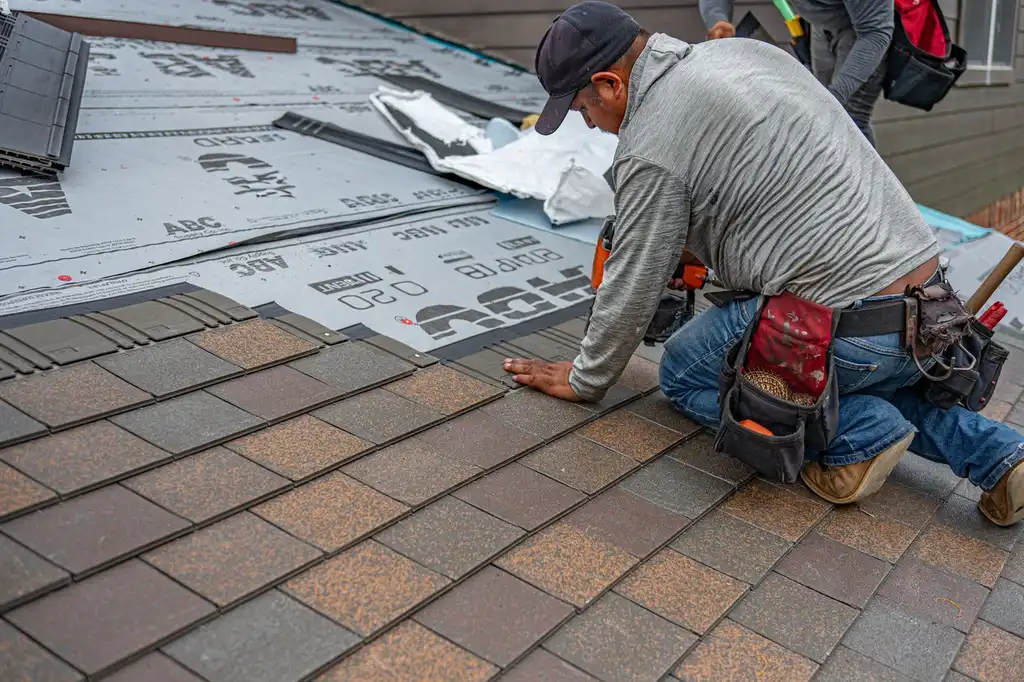
A recurring plan that keeps valleys clear, reseals penetrations, and checks attic ventilation twice a year. Maintenance is how a 15-year roof reaches 22.
View serviceCall us any time, day or night. Our office answers from 8 a.m. to 6 p.m. Monday through Friday, and the emergency line stays open around the clock for active leaks and storm damage. Most Huntsville inspections get scheduled within 48 hours, and emergency calls get a same-day tarp.