Focused arrival windows
Useful updates and clear arrival timing.
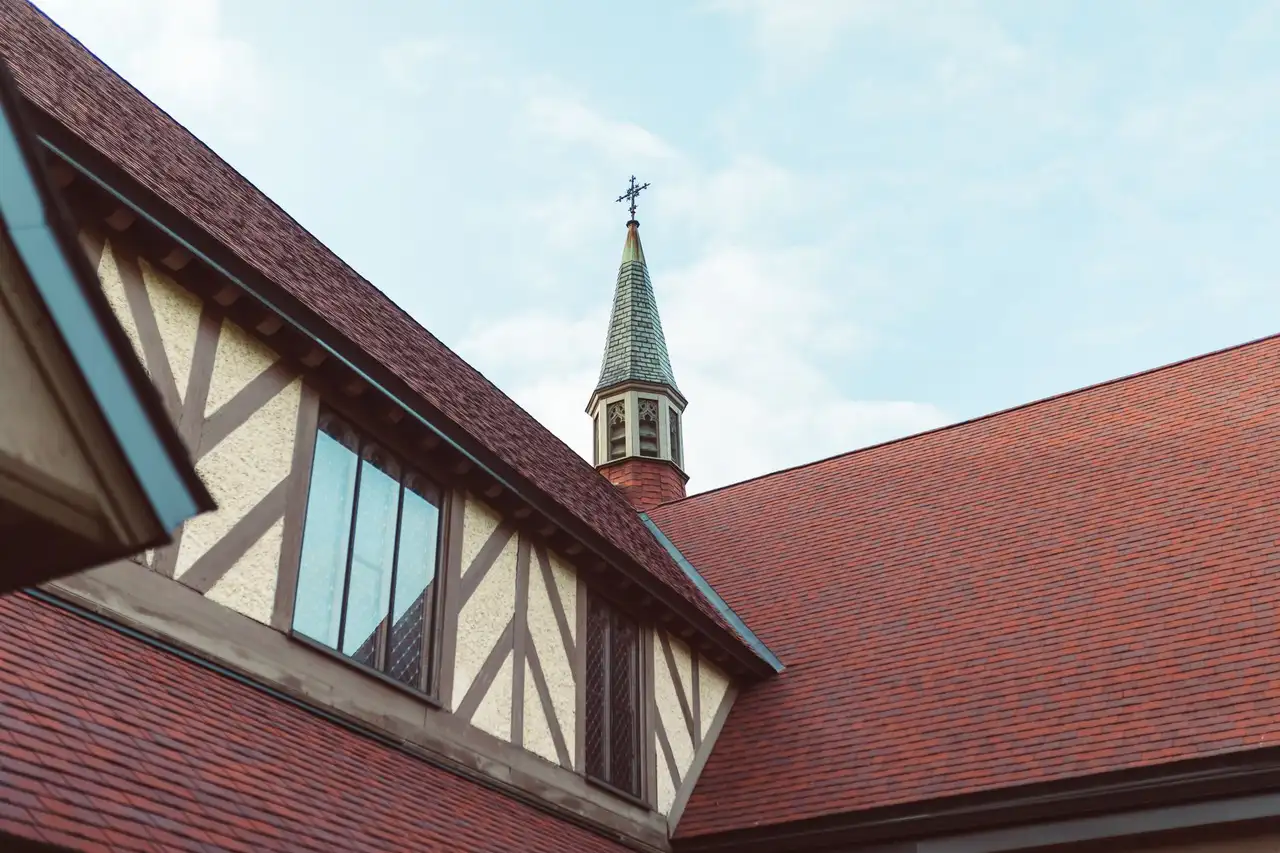
Roofing in TX means standing up to humid subtropical heat, spring hail, and piney woods storms that hammer Walker County every year. Pro Roofing Huntsville has worked these roofs since 2000, from Huntsville Central to the streets around Sam Houston State University. We install, repair, and inspect roofs built to handle 77320 weather, and we answer emergency calls 24/7.
Useful updates and clear arrival timing.
Review the approach and price before deciding.
Equipped vehicles and respectful cleanup.
Neighbors serving neighbors with follow-through.
Roofing in TX is not a one-climate job. Huntsville sits in the piney woods region, where humid subtropical air keeps attics damp from April through October and spring storms drop hail on asphalt shingles that have already baked through a Texas summer. We have worked roofs in Huntsville Central, Huntsville North, and Huntsville South since 2000, and we know which streets near the Walker County Courthouse have original 1950s decking under three layers of shingles. We also know the newer builds out toward Huntsville West, where architectural shingles and metal roofing panels are common. Our crews carry GAF and Owens Corning materials, and we install ice and water shield in valleys even though ice is rare here, because the same membrane stops wind-driven rain during a spring squall. If you need TX Roofing that understands local storm patterns, we are the roofing company in TX that shows up with the right materials and a plan.
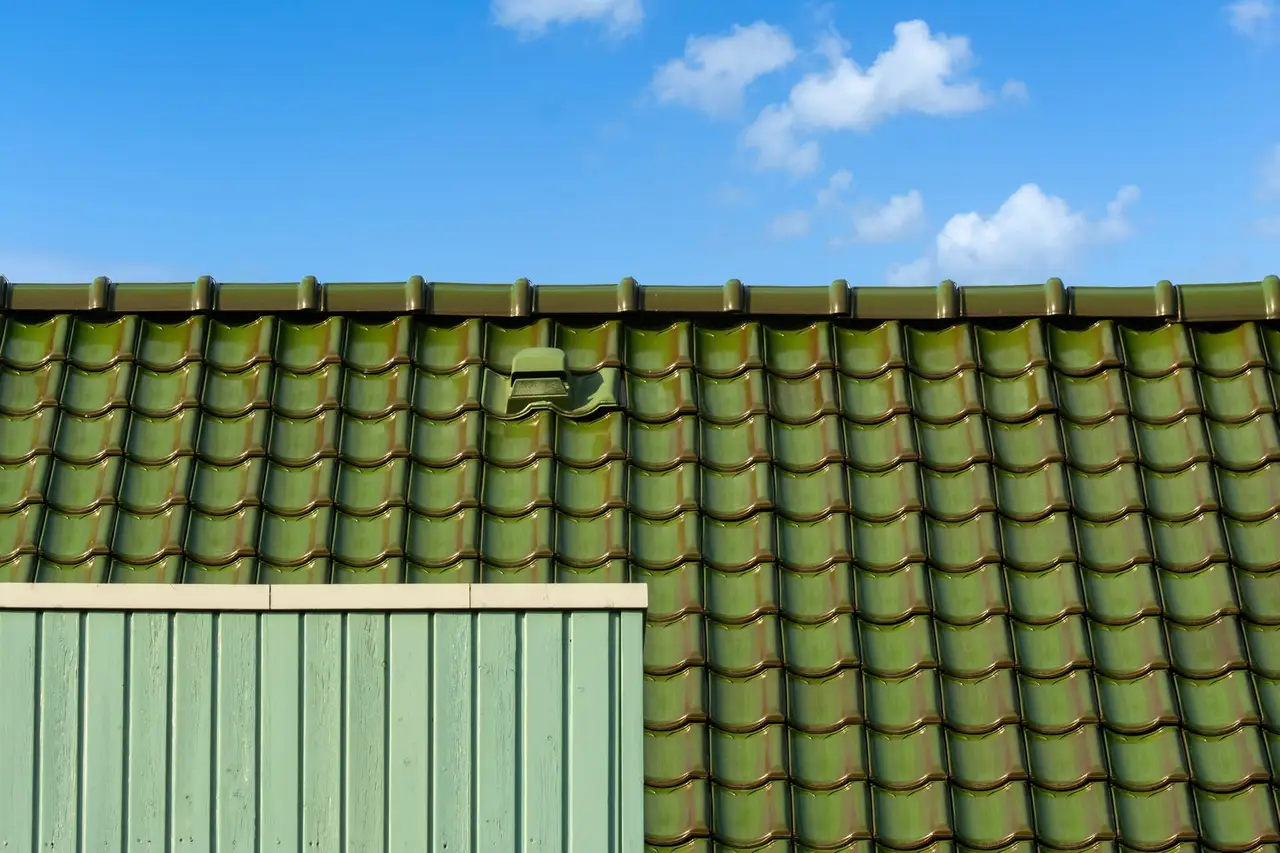
Every roof in Huntsville eventually needs work, whether it is a 1920s bungalow near Huntsville Central or a metal shop building off Highway 19. We handle the full list below, and if you are searching for roofing near me TX TX at 2 a.m. after a storm, our emergency line is open. Most standard repairs get scheduled within 48 hours; storm calls get tarped the same day.
New roof installation in TX means building for heat and hail from the first nail. We install GAF and Owens Corning architectural shingles over ice and water shield in the valleys, with ridge vent and drip edge sized for piney woods humidity. Most Huntsville homes take two to three days from tear-off to final magnetic sweep.
View service →02Full roof replacement in Huntsville usually runs 2,200 to 3,200 square feet of shingle, and we tear off to the deck every time. That matters on older homes near Huntsville North where three layers of old shingles hide soft spots. We replace flashing, step flashing, and pipe boots while we are up there.
View service →03Roof repair in TX covers everything from a single missing shingle after a wind gust to flashing failure around a chimney. We keep common colors of asphalt shingles on the truck so most repairs are done in one visit. If we find hail damage during the repair, we document it with photos for your insurance claim.
View service →04A roof inspection in Huntsville takes about 45 minutes and covers shingles, flashing, vents, gutters, and attic ventilation. We walk the roof, check the attic from inside, and give you a written report with photos. Landlords near Sam Houston State University use this for roof certification before a new lease.
View service →05Roof maintenance in TX is mostly about clearing what the piney woods drops. We blow off pine needles and leaves, clear clogged gutters, reseal pipe boots, and check ridge vent screens. A twice-a-year maintenance visit adds years to a shingle roof in this climate, especially on homes under tall pines in Huntsville East.
View service →06Emergency roof repair in Huntsville means we roll a truck after hours when a storm opens your roof. We tarp first, then repair. Most emergency calls in TX come from wind damage and fallen limbs, and we can usually be on site within 60 to 90 minutes anywhere in Walker County. Call 766837673 any time.
View service →07Emergency tarping in TX is the first step after any storm breach. We carry 20x30 and 30x50 tarps on every truck, secure them with cap nails and battens so they survive the next wind gust, and photograph the damage before we cover it. That documentation helps your insurance claim move faster.
View service →08Leak detection in Huntsville starts in the attic, not on the roof. We trace water stains back to the source, which is often flashing failure or a cracked pipe boot rather than a missing shingle. Once we find it, we repair it and run a hose test before we leave. No guesswork, no repeat callbacks.
View service →09Storm damage roof repair in TX picks up fast after a spring squall line. We inspect for lifted shingles, torn ridge caps, and bent flashing, then document everything with photos and measurements. If the damage is claim-worthy, we work directly with your adjuster. Most storm repairs in Huntsville are finished within a week of the storm.
View service →Roofing in Huntsville runs on a different clock than most of Texas. The piney woods keep the humidity high, so we schedule tear-offs early in the morning and cover the deck by afternoon before any rain moves in. We pull permits through Walker County when the job requires it, and we build to the Texas windstorm standards that apply here. Access matters too. Older streets near Huntsville Central have narrow driveways and low tree limbs, so we park the trailer on the street and carry materials in by hand when we have to. For commercial flat roofs, we stage the membrane rolls on the ground and crane them up only when the building height demands it. If you are searching for same day roof repair in TX, call before noon and we can usually have a crew on your roof that afternoon.
Hail knocks granules off asphalt shingles and dents soft metals like vents and flashing. The damage is often invisible from the ground, so homeowners do not realize their roof took a hit until a leak shows up months later. This drives a spike in inspection calls every March through May. We inspect after every hail event and mark each impact with chalk so the pattern is obvious to your adjuster. If the roof qualifies for replacement, we handle the claim paperwork. If it is repairable, we replace the bruised shingles and save you the deductible.
Huntsville sits in the piney woods, and every tall pine drops needles year-round. Those needles pack into gutters, block downspouts, and send water backing up under the drip edge. Over time, that water rots fascia and soffit boards behind the gutter. We clear gutters and downspouts as part of every maintenance visit, then install leaf guards on runs under heavy tree cover. We also check the fascia while we are up there and replace any soft boards before they spread rot into the rafter tails.
Attics in Huntsville regularly hit 140 degrees in July and August. Without balanced intake and exhaust ventilation, that heat bakes shingles from below and shortens roof life by years. It also traps moisture that rots decking and grows mold on rafters. We measure net free area against attic volume and balance soffit intake with ridge vent exhaust. On older homes with no soffit vents, we cut them in and add baffles so insulation does not block airflow. Most ventilation upgrades take half a day and pay for themselves in roof life.
Flat roofs around Huntsville Central and the commercial strips along I-45 develop low spots that hold water after every storm. Standing water works its way into seams and flashings, and the weight stresses the structure over time. It is the number one cause of commercial roof failure here. We install tapered insulation to promote drainage on new flat roofs, and we re-slope existing roofs with lightweight concrete when ponding is severe. For minor low spots, we add a drain or scupper. Every flat roof we install gets a water test before we call it done.
Roofs in this region need decking fastened with ring-shank nails at closer spacing than the minimum code, because straight-line winds from spring squall lines are common. We fasten every panel to spec and document it for your insurance carrier.
Most full roof replacements in Huntsville require a permit, and the inspection covers deck attachment and flashing. We pull the permit, meet the inspector on site, and keep the paperwork in your file so it is ready when you sell the house.
Huntsville roofs face a specific set of problems that come from the climate, the trees, and the age of the housing stock. The humid subtropical air keeps things damp, the piney woods drop debris year-round, and spring storms bring hail and wind. Knowing what to look for helps you catch a small problem before it becomes a full replacement.
Huntsville sits in a hail-prone corridor, and spring storms regularly drop golf-ball-sized ice on roofs. The impact knocks granules loose and fractures the shingle mat, but the damage is often invisible from the ground. It shows up as leaks months later. We inspect after every hail event and mark each impact with chalk so the pattern is clear. If the damage is widespread, we document it for your insurance claim and handle the adjuster meeting. If it is isolated, we replace the damaged shingles and save you the deductible.
Flashing takes the brunt of the weather on any roof. In Huntsville, the combination of heat expansion and wind-driven rain works the metal loose over time. Most leaks we find are at the chimney, the pipe boots, or the valley, not in the middle of the shingle field. We replace failed flashing with new metal and ice and water shield rather than caulking over it. Every repair gets a hose test before we leave. We also check the counter-flashing on masonry chimneys and cut it into the mortar joint so it cannot pull away.
The piney woods drop needles and leaves all year, and they pack into gutters faster than most homeowners expect. When the gutter clogs, water backs up under the drip edge and soaks the fascia board. That rot spreads to the soffit and sometimes into the rafter tails. We clear gutters and downspouts on every maintenance visit and install leaf guards on runs under heavy tree cover. When we find rot, we replace the fascia and soffit boards before re-hanging the gutter. We paint the new material to match so you cannot tell it was repaired.
Attics in Huntsville regularly reach 140 degrees in summer, and without balanced intake and exhaust vents, that heat has nowhere to go. It bakes the shingles from below, dries out the decking, and traps moisture that causes mold. Many older homes were built with no soffit vents at all. We measure net free area against attic volume and balance soffit intake with ridge vent exhaust. On homes with no soffit vents, we cut them in and add baffles so insulation does not block airflow. Most ventilation upgrades take half a day and add years to the roof.
Huntsville is a compact town, but landmarks help us route crews and set expectations for arrival times. If you are near Sam Houston State University, expect us to avoid class-change traffic on Avenue I. If you are out by Huntsville State Park, we plan for the extra drive and usually schedule those jobs in the afternoon. Around Huntsville Memorial Hospital, we keep the trailer off the main entrance and stage on side streets so we do not block emergency access.
The campus anchors the south side of Huntsville. We use it as a routing marker for rental properties and student housing nearby, and we avoid Avenue I during class changes to keep our crews moving.
The park sits southwest of town off FM 1375. Roofs on the roads leading to it are surrounded by tall pines, which means more needle debris and shade. We plan extra time for those jobs and bring the leaf blower.
The courthouse square is the center of Huntsville Central. We use it to orient crews working the historic blocks around it, where narrow streets and mature trees make trailer access tight.
The hospital sits on the north side of town near Highway 30. We stage equipment on side streets when working nearby so we never block the emergency entrance or ambulance routes.
The museum is on Highway 75 north of town. It is a useful landmark for scheduling jobs on the north side, and it tells us which route to take when I-45 traffic backs up.
The strip along I-45 has retail, restaurants, and service businesses with flat and low-slope roofs. Most are TPO or modified bitumen, and they need regular maintenance because ponding water and grease exhaust shorten membrane life.
The square around the courthouse has older commercial buildings with modified bitumen and sometimes original built-up roofs. Access is tight, and we often work early mornings to avoid blocking storefronts during business hours.
I-45 runs along the east side of Huntsville and is our main route for reaching jobs quickly. We use exits 112 to 118 depending on which side of town we are heading to.
Highway 30 cuts east-west through town and connects Huntsville to the west side. It is the fastest route to Huntsville West and the newer subdivisions out that way.
We work roofs across Huntsville every week, from the historic blocks near the courthouse to the newer subdivisions on the west side. If you are in ZIP 77320, 77340, or 77341, we are already in your area most days. Here is what we see in each part of town.
The historic core around the Walker County Courthouse has some of the oldest roofs in town, many with original 1x6 plank decking under multiple shingle layers. Tear-offs here take longer because we often find soft decking that needs replacing. We keep extra plywood on the trailer for these jobs. We are usually within 15 minutes of Huntsville Central, so estimates and emergency calls get scheduled fast.
North Huntsville has a mix of 1970s ranch homes and newer builds, with a lot of asphalt shingle roofs reaching the end of their life. Hail damage is common here because the neighborhood sits in the path of spring storms coming off the prairie. We do a lot of full replacements in this area. Huntsville North is a short drive up Highway 75, and we can usually be on site within 20 minutes.
South Huntsville includes a lot of rental property tied to Sam Houston State University, where landlords need roof certifications before each lease cycle. We do quick inspections and issue certificates within 48 hours so nobody loses a tenant over paperwork. Repairs here are usually flashing and pipe boot issues. We pass through Huntsville South daily, so scheduling a certification or repair is easy.
West Huntsville has the newer, larger homes with steeper roofs and more complex valleys. These roofs often have architectural shingles or metal panels, and they need careful flashing work around dormers and skylights. We see more ice and water shield failures here than anywhere else in town. Huntsville West is about 15 minutes from our shop, and we schedule these jobs in the morning to beat the heat.
These are real jobs we have done in and around Huntsville. They show what we find, how we fix it, and what it costs. Every roof is different, but the process is the same: inspect, document, repair or replace, and clean up.
A homeowner in Huntsville Central had a leak staining the ceiling of a back bedroom after every heavy rain. Two other roofers had caulked the chimney and called it fixed. We traced the leak to failed step flashing on the chimney, not the shingles. The old flashing had rusted through and was letting water run behind the brick. We removed the chimney counter-flashing, installed new step flashing with ice and water shield, and re-sealed the brick with a proper counter-flashing cut into the mortar joint. The leak stopped immediately, and the homeowner has been through two storm seasons since with no water in the ceiling. Total cost was $680, far less than the $9,000 replacement another company quoted.
A landlord near Sam Houston State University needed roof certification on a four-bedroom rental before signing a new lease. The roof was 14 years old and had visible hail bruising on the south slope. We inspected the roof, documented the hail damage with photos and chalk marks, and filed a claim with the homeowner's insurance. The adjuster approved a full replacement. We tore off the old shingles, replaced two sheets of soft decking, and installed new architectural shingles with ridge vent and new pipe boots. The claim covered all but the $1,000 deductible. The new roof came with a 30-year manufacturer warranty, and the landlord signed the lease on time. The whole job took three days from approval to final sweep.
A commercial building on the I-45 corridor had ponding water on a 6,000 square foot flat roof. The existing TPO membrane was 11 years old and had several seam failures. We installed tapered insulation to correct the low spots, then mechanically attached a new 60-mil TPO membrane over the existing roof. We heat-welded all seams, replaced the edge flashing, and added two new drains to move water off the roof faster. The job was done over four days with no disruption to the tenant businesses. The ponding is gone, and the roof passed a water test before we left. The building owner got a 15-year warranty on the membrane and avoided a full tear-off that would have cost three times as much.
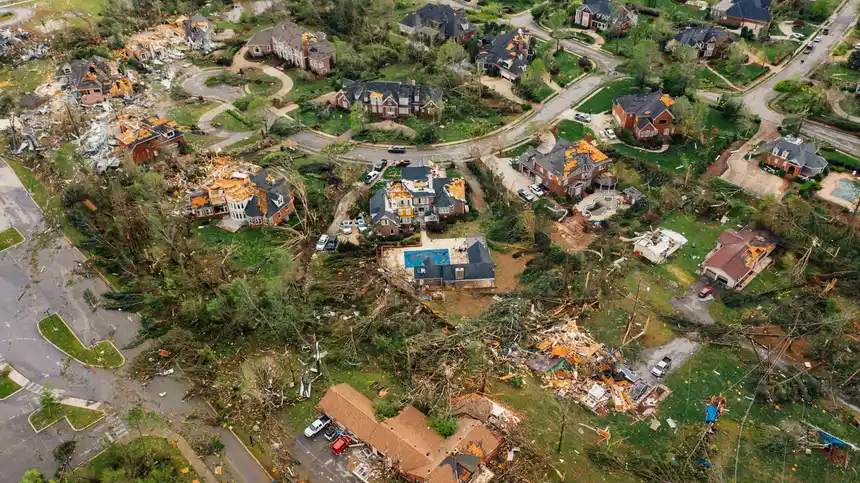
We had hail come through Huntsville North in April and I did not think much of it until a stain showed up on the ceiling in May. Pro Roofing came out, marked every hail hit with chalk, and walked me through the insurance claim. They replaced the roof in two days and cleaned up so well my wife could not find a single nail. Worth every penny.
I manage three rental houses near Sam Houston State University and needed roof certifications fast before fall leases. Pro Roofing inspected all three in one afternoon and had the certificates to me in two days. One roof needed a small flashing repair and they did it on the spot for a fair price. I will use them again next year.
A limb punched through my shop roof during a storm and I called at 9 p.m. They had a tarp on it within an hour and came back the next morning to do the repair. The new corrugated panels match the old ones and the price was right. Only reason it is not five stars is they were a little late on the second visit, but they called ahead.
Roofing in Huntsville follows a seasonal rhythm. Spring brings hail and wind, summer bakes shingles and drives attic heat, fall drops pine needles and leaves, and winter brings the occasional freeze that finds every weak flashing detail. Knowing what to expect each season helps you stay ahead of repairs instead of reacting to them.
Spring is storm season in the piney woods. Squall lines roll through with hail and 60 mph wind gusts, and that is when most roof damage happens. Shingles get bruised, ridge caps tear, and flashing works loose. If you have not had an inspection since last spring, now is the time.
Summer heat is hard on asphalt shingles. Attics hit 140 degrees, and that heat radiates down through the deck and cooks the shingle mat from below. This is when we see premature aging on roofs with poor ventilation, and it is also when flat roofs start to show ponding problems after summer storms.
Fall is pine needle season. The trees drop needles that pack into gutters and valleys, and if you do not clear them, water backs up under the drip edge and rots the fascia. Fall is also a good time for a pre-winter inspection because any small leak will get worse with winter rain.
Winters in Huntsville are mild, but we do get freezes that find every weak spot in the flashing. Ice dams are rare here, but wind-driven rain is common, and it will push through any gap in the roof. This is also when small leaks from the fall turn into ceiling stains.
Huntsville is our home base, but we cover a wide swath of Walker County and the surrounding communities. If you are in one of the towns below, we can get a crew to you, usually within a day for standard work and within 90 minutes for emergencies. The same materials and the same crews serve every one of these areas.
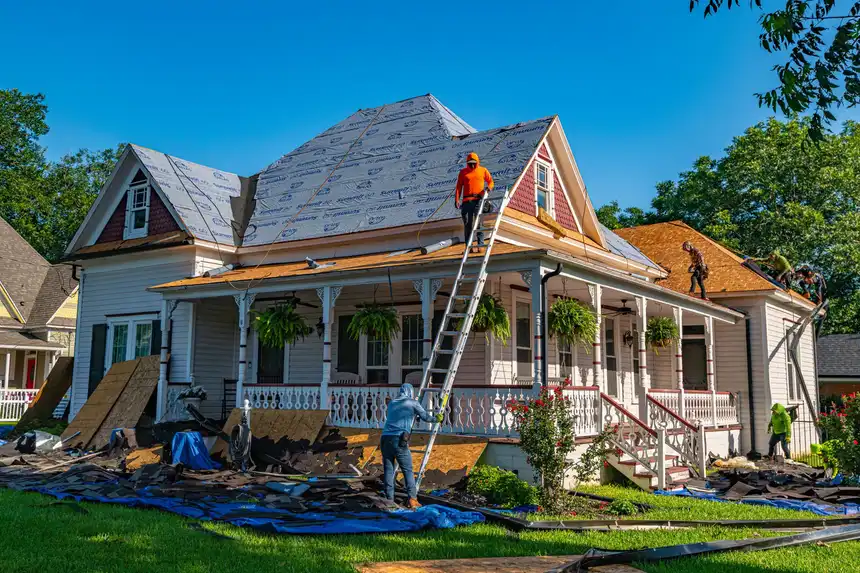
Pine Hill is a short drive north of Huntsville, and we handle roof repairs and replacements there regularly. Most customers call us after storm damage.
Local coverage and details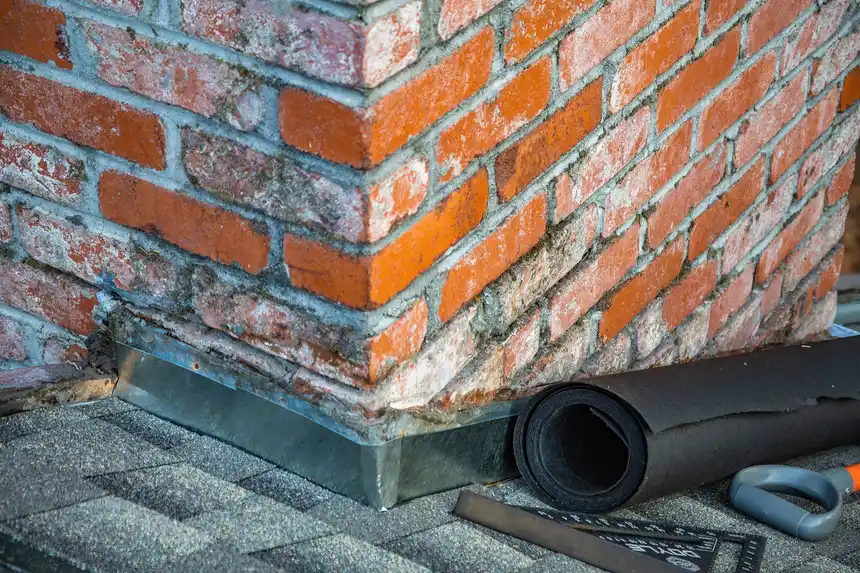
Pine Prairie sits east of Huntsville, and we serve it on the same schedule as our Huntsville East routes. Gutter work and shingle repairs are common there.
Local coverage and details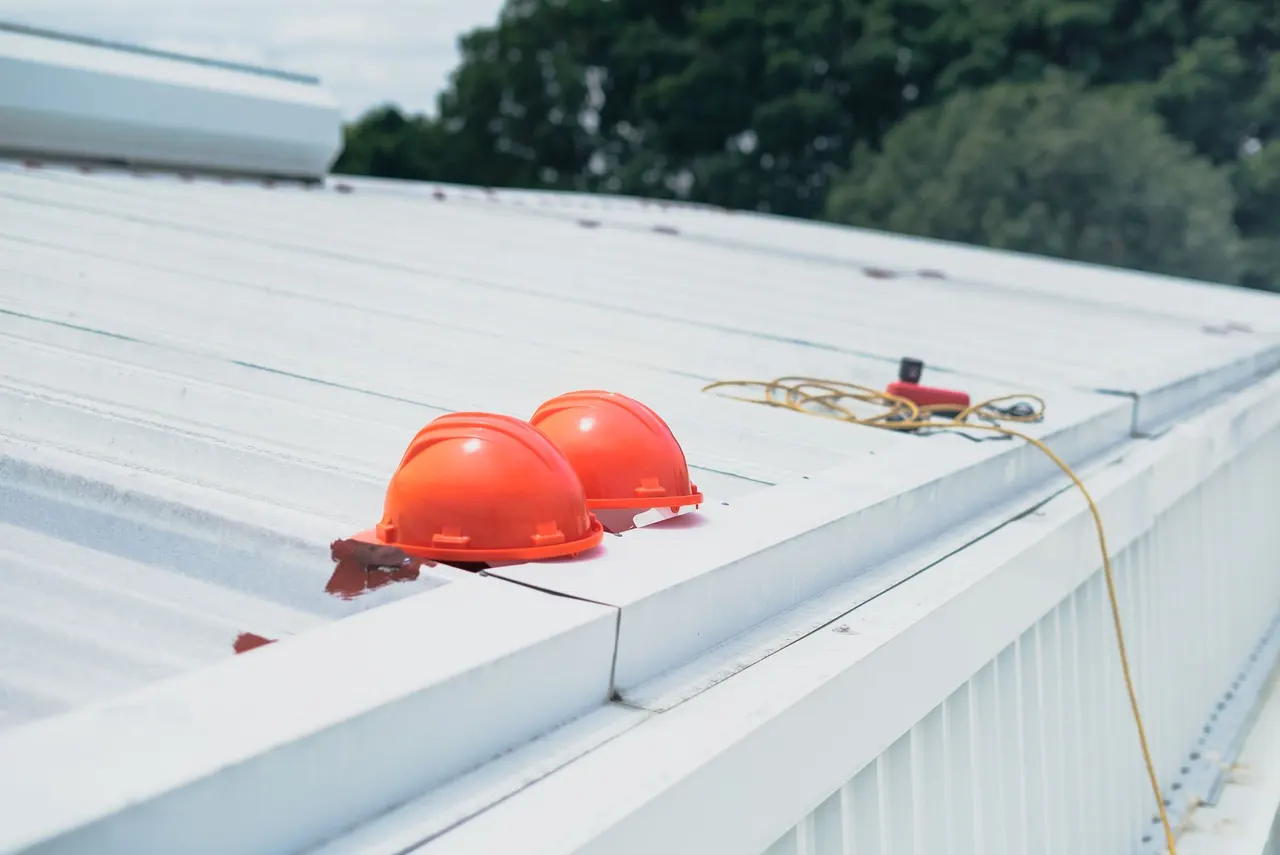
Mount Morian is a small community south of town. We make the drive for full replacements and emergency tarping, usually within a day of your call.
Local coverage and details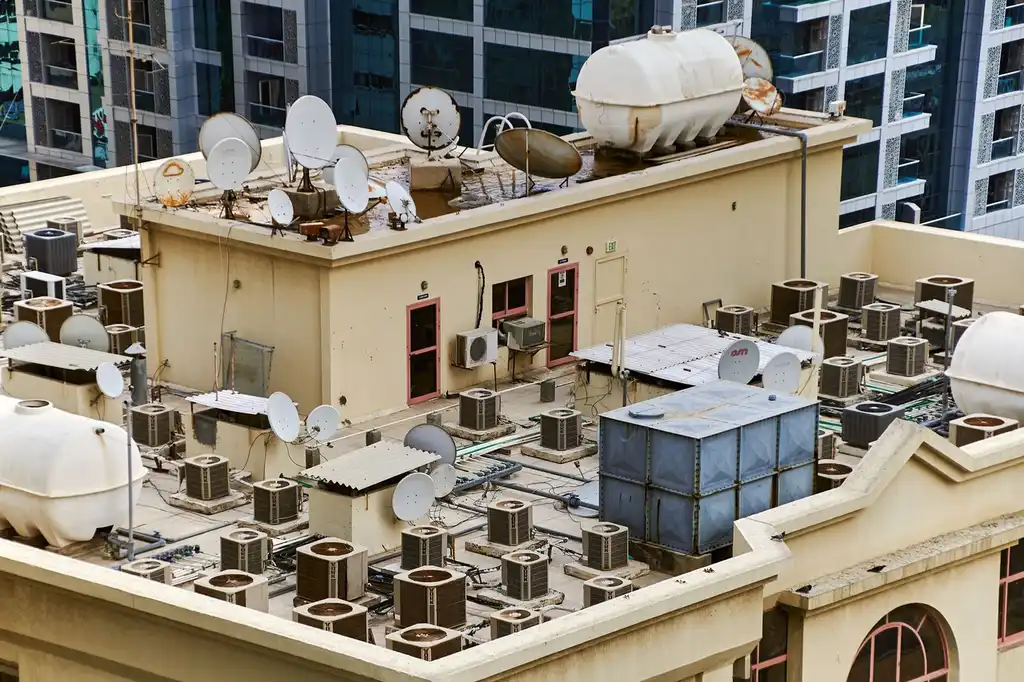
Crabbs Prairie is west of Huntsville off Highway 30. We do a lot of metal roofing and barn roof work out that way for rural property owners.
Local coverage and detailsNot every roofer in Huntsville is set up to do the job right. Some are storm chasers who leave town after the work, and some cut corners on decking and flashing that you will not see until it leaks. Here are the questions we think every homeowner should ask before signing a contract, and what a good answer sounds like.
A legitimate roofer carries general liability and workers compensation insurance. If a crew member gets hurt on your roof and the company is not insured, you could be on the hook. Ask for a certificate of insurance and verify it before work starts.
Most full replacements in Walker County require a permit, and the inspection covers deck attachment and flashing. A roofer who skips the permit is cutting a corner that could cost you at resale. We pull the permit and meet the inspector on site.
Manufacturer warranties cover the shingles, but they do not cover installation mistakes. A workmanship warranty covers leaks caused by how the roof was installed. Ask how long it lasts and whether it is transferable if you sell the house.
Flashing and pipe boots are the most common leak points on any roof. A cheap replacement reuses the old flashing and boots, which means you will be calling someone back in a few years. We replace them as part of every full replacement.
A tear-off drops nails and shingles all over your yard. A good roofer lays tarps over shrubs and flower beds, uses a magnetic sweeper at the end, and hauls away every bit of debris. If they do not mention cleanup, ask about it.
GAF
Owens Corning
CertainTeed
OSHA
$2M general liability and full workers compensation
member
member
Most roof repairs in Huntsville run $350 to $900, and a full asphalt shingle replacement on a standard home costs $9,500 to $18,000 in 2026. Metal and tile roofs cost more. The biggest factors are roof size, pitch, and how many layers need to come off. We give you a written price before we start, and the estimate is free.
The best roofer in Huntsville is the one who shows up when they say they will, pulls the permit, replaces the flashing, and cleans up the yard. We have been doing that here since 2000, and we carry GAF and Owens Corning certifications. Ask for references from your neighborhood and check that they are insured.
Yes. We answer emergency calls 24/7 and can have a tarp on your roof within 60 to 90 minutes anywhere in Walker County. If a storm opens your roof at 2 a.m., call 766837673 and we will roll a truck. We tarp first, then schedule the permanent repair for the next day.
Start by asking neighbors who they used and whether they were happy. Then check that the contractor is insured, pulls permits, and offers a workmanship warranty. We are happy to provide local references and show you our insurance certificate before you sign anything. Call us for a free inspection and estimate.
We do for many calls. If you call before noon and your repair is straightforward, we can often have a crew on your roof that afternoon. Emergency tarping is always same-day. For larger repairs and replacements, we usually schedule within 48 hours. Call 766837673 to check availability.
Not seeing your question? Our local team can help you understand urgency, scheduling and what to expect.
Ask the local team
Call us any time, day or night. Our office answers from 8 a.m. to 6 p.m. Monday through Friday, and the emergency line stays open around the clock for active leaks and storm damage. Most Huntsville inspections get scheduled within 48 hours, and emergency calls get a same-day tarp.