Focused arrival windows
Useful updates and clear arrival timing.
PVC Roofing in Huntsville is the flat-roof solution that shrugs off 100-degree summers, hail, and ponding water. We install heat-welded PVC membrane over commercial buildings, additions, and low-slope homes across Walker County. If your current roof is patched, leaking, or just worn out, a PVC roof in Huntsville gives you a seamless, reflective surface that cuts cooling costs and stops leaks for good.
Useful updates and clear arrival timing.
Review the approach and price before deciding.
Equipped vehicles and respectful cleanup.
Neighbors serving neighbors with follow-through.
Every PVC roof installation starts with a full inspection and a written scope. We spell out membrane thickness, insulation, flashing, and warranty terms before we start. Here's what's covered in a standard installation.
We remove the existing roof membrane, insulation, and fasteners down to the deck, then haul everything away. Dumpster placement and disposal fees are included. Most tear-offs on a 5,000-square-foot roof take one day.
We check the deck for soft spots, water damage, and delamination. Rotted plywood or sheathing gets replaced before the new membrane goes down. We document what we find with photos so you can see the condition.
Polyiso insulation board improves energy performance and gives the membrane a smooth substrate. We recommend R-values based on your building's use and local code. Cover board adds impact resistance where foot traffic is heavy.
We install Firestone, Carlisle SynTec, or Versico PVC membrane in 60-mil or 80-mil thickness. Heavier membrane lasts longer and resists punctures better. We help you choose based on roof traffic and chemical exposure.
Every seam and flashing detail is heat-welded, not glued. We fabricate custom PVC flashing for curbs, drains, vents, and parapet walls. Weld quality is checked with probe tests before we sign off.
You get manufacturer warranty paperwork and our workmanship warranty at the final walkthrough. We walk the roof with you, point out drains and details, and explain what to watch for. You leave knowing exactly what you bought.
Share what is happening and receive a clear next step from the local team.
PVC Roofing in Huntsville is a single-ply membrane system made from polyvinyl chloride, reinforced with polyester scrim and plasticizers that keep it flexible in cold snaps and stable at 150-degree surface temps. We mechanically attach or fully adhere 60-mil to 80-mil sheets, then heat-weld every seam with a hot-air welder to create one continuous waterproof layer. No seams to peel, no fasteners exposed to the sun. The membrane reflects solar heat, resists chemicals and grease, and handles the thermal shock of a 40-degree morning after a 95-degree afternoon.
Huntsville buildings take a beating: spring hail, summer UV, fall leaf drop that clogs drains, and winter freezes that crack older modified bitumen. If your flat roof is 15 years old, patched with tar, or ponding water after every storm, PVC roof installation Huntsville TX is the upgrade that ends the cycle. We see it constantly on commercial buildings around Walker County and low-slope additions off Highway 30, where a PVC roofer Huntsville can replace a failing roof in days instead of weeks.
We start with a full deck inspection, checking for soft spots, ponding areas, and existing flashing failures. You get a written report with photos and a clear recommendation. If PVC isn't the right fit, we'll tell you. Most inspections take 60 to 90 minutes on a typical Huntsville commercial building.
We remove the old roof down to the deck, then replace any rotted plywood or sheathing. A magnetic sweeper runs the perimeter for nails, and we tarp the building overnight if rain is in the forecast. Deck prep usually takes one full day on a 5,000-square-foot roof.
We install polyiso insulation board, mechanically fasten or adhere the 60-mil or 80-mil PVC membrane, and heat-weld every seam with a hot-air welder. The crew runs seam probes and visual checks as they go. Membrane lay on a 5,000-square-foot roof takes one to two days.
We fabricate and weld custom PVC flashing around curbs, drains, vents, and parapet walls. Every penetration gets a prefabricated boot or a hand-welded detail. This is where most flat roofs leak, so we spend the extra time. Detail work adds half a day to a full day depending on roof complexity.
We flood-test drains, check every weld, and walk the roof with you. You get warranty paperwork, maintenance guidelines, and our direct line for any future issues. The final walkthrough takes about 30 minutes, and we don't leave until you're satisfied with what you see.

Fuses PVC membrane seams at 900 to 1,100 degrees, creating a monolithic bond that's stronger than the membrane itself. We run probe tests on every weld.
Fastens insulation board and membrane to the deck on mechanically attached systems. We set depth so fasteners don't over-compress the insulation.
Runs the perimeter and driveways after tear-off to pick up loose nails and screws. It's a small step that protects your tires and your crew.
Detects trapped moisture in insulation and decking before we install new membrane. Wet insulation gets replaced, not covered up.
Finds hidden moisture and leak paths across large flat roofs. It shows us where water has traveled, which saves hours of guesswork.
Keeps our crews safe on steep and elevated sections. We follow OSHA fall-protection rules on every job, no exceptions.
We weld every PVC seam with hot air instead of adhesive or tape. Welded seams are the reason PVC outperforms in ponding-water areas. We probe-test welds as we go, and any seam that fails gets redone before we move on.
On roofs with ponding issues, we install tapered polyiso board that slopes toward drains. This eliminates standing water, which is the number one cause of flat-roof leaks. It adds a day to the job but solves the problem permanently.
We install Firestone, Carlisle SynTec, and Versico systems to the letter of their published specs. That's what qualifies your roof for a full-system warranty. Cutting corners on fastening or flashing voids the warranty, so we don't do it.
Before we sign off, we flood-test drains and inspect every weld, flashing detail, and edge termination. You get photos and a written report. If something isn't right, we fix it before we hand over the warranty.
We tear off the tar and gravel, inspect the deck, install polyiso insulation and 60-mil PVC membrane, and heat-weld all seams and flashing. The job takes three to four days on a typical 5,000-square-foot roof. The building stays dry through storm season, and cooling costs drop because the white membrane reflects heat. The new roof carries a 20-year manufacturer warranty.
We install 80-mil PVC membrane, which resists grease and chemicals that break down TPO and EPDM. We also add a grease guard around the exhaust fan and slope the membrane away from the kitchen area. The roof handles daily grease exposure without swelling or cracking. The owner stops budgeting for annual roof repairs and gets a full-system warranty.
We inspect each roof, prioritize the worst leaks, and replace failing membranes with PVC. We set up a maintenance schedule to clear drains and check seams twice a year. Emergency calls drop to near zero, and the manager can plan roof spending instead of reacting to leaks. Most buildings get 20 to 25 years from the new PVC roofs.
Huntsville sits in Walker County, where summers hit 100 degrees and spring storms drop hail and 60-mph winds. That climate punishes flat roofs. Asphalt and EPDM dry out and crack years early, while PVC membrane stays flexible and reflective. Most of the commercial buildings we work on are 15 to 30 years old, with original tar roofs that have been patched a dozen times. We tear them off, fix the deck, and install PVC membrane that handles the heat. Local code requires positive drainage on commercial roofs, so we pay close attention to slope and drain placement. If you're looking for PVC roof cost Huntsville TX, we'll give you a written number after the inspection. We also work on low-slope additions and shops around 77340 and 77320, where a small PVC roof solves a big leak problem.
Older commercial buildings with flat roofs and limited access. We plan material staging carefully and often work early mornings to avoid blocking sidewalks.
Mix of residential and light commercial. Many buildings here have low-slope additions that need PVC membrane rather than shingles.
Restaurants and shops with grease and exhaust exposure. PVC's chemical resistance makes it the right membrane here.
Larger commercial and industrial properties with big flat roofs. We schedule these jobs in phases to keep businesses open.
Black roofs cook and age fast. White PVC membrane reflects heat and stays 30 to 50 degrees cooler, which extends roof life and cuts cooling costs.
Hail bruises membrane and wind lifts edges. We inspect after every major storm and repair impact damage before it becomes a leak.
Leaves block drains and cause ponding water. We clear drains during maintenance visits and recommend drain guards on roofs surrounded by trees.
Water trapped in seams freezes and expands. Heat-welded PVC seams resist freeze-thaw better than adhesive or tape seams, which is why we weld everything.
A 12,000-square-foot warehouse off Highway 30 had a 20-year-old tar roof with multiple leaks. The owner was spending $3,000 to $5,000 a year on patches, and inventory was getting damaged every storm.
We tore off the old roof, replaced 14 sheets of rotted decking, and installed 80-mil PVC membrane with tapered insulation. The job took five days. Two years later, no leaks, and the cooling bill dropped about 15%.
Maintenance: We clear drains twice a year and inspect seams each spring. The owner budgets a small annual maintenance cost instead of unpredictable emergency repairs.
A Crabbs Prairie restaurant had replaced its flat roof twice in 12 years because kitchen exhaust destroyed the membrane. The last roof was EPDM, and it was swelling and cracking within four years.
We installed 80-mil PVC membrane, which resists grease and chemicals. We also added a grease guard around the exhaust fan and improved drainage away from the kitchen. The roof has been in service three years with no degradation.
Maintenance: The owner has us inspect the roof and clean the grease guard every six months. That's the only upkeep the roof needs.
A manager overseeing six buildings in Pine Hill was getting emergency leak calls two or three times a year. Each call meant after-hours labor, damaged ceilings, and unhappy tenants.
We inspected all six roofs, replaced the two worst with PVC membrane, and repaired the others. We set up a twice-a-year maintenance schedule. Emergency calls dropped to zero over the next 18 months.
Maintenance: We clear drains, check seams, and document roof condition each spring and fall. The manager gets a written report after every visit.
Flat roofs fail in predictable ways, and Huntsville's weather speeds up the timeline. Here are the problems we fix most often with PVC membrane systems.
Standing water finds every seam and fastener, causing leaks that rot decking and ruin ceiling tiles. It also grows algae and adds weight the structure wasn't designed for. We install PVC membrane over tapered insulation that slopes toward drains, then heat-weld every seam so ponding water has nowhere to penetrate. On roofs with severe ponding, we add crickets and new drain locations to move water off faster.
Tar patches and roof cement fail within a year or two, and each leak damages insulation and interior finishes. You end up paying for the same repair over and over. We trace leaks to the source with moisture meters and infrared scanning, then repair the membrane, flashing, or drain permanently. If the roof is too far gone for repairs, we install new PVC membrane and end the cycle.
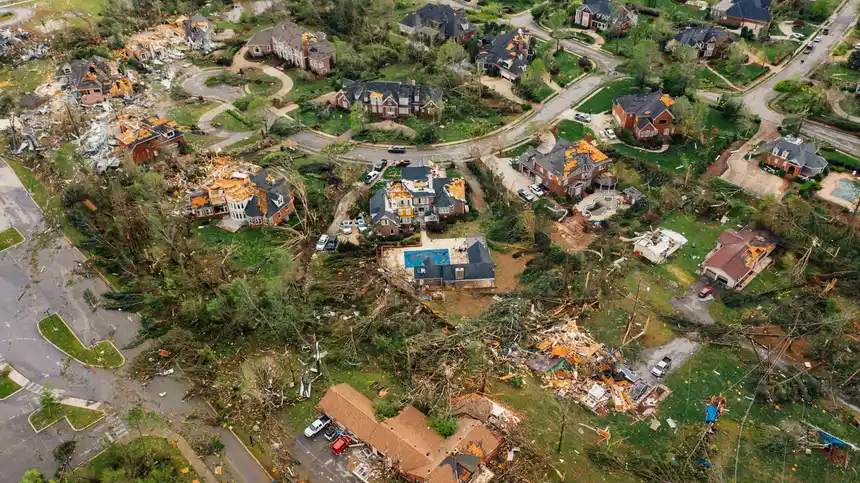
Huntsville storms bruise membrane, crack flashing, and lift edges. Small breaches let water in during the next rain, and the damage gets worse every season. We document storm damage for your insurance claim, tarp if needed, and replace damaged sections with heat-welded PVC patches. If damage is widespread, we install a new membrane and upgrade fastening for better wind uplift.
Texas sun breaks down asphalt and EPDM roofs years early, leaving them brittle and cracked. You replace a roof that should have lasted another decade. PVC membrane reflects UV instead of absorbing it, so it ages slower. We install white PVC that stays reflective for 20-plus years, and we recoat or replace only when the membrane actually reaches the end of its life.
Our old tar roof leaked every time it rained hard. Pro Roofing tore it off and installed 80-mil PVC in four days. That was two summers ago, and we haven't had a drop inside since. The cooling bill dropped about 18% the first July. They tarped overnight when rain moved in, which I didn't expect but appreciated.
Grease from our kitchen exhaust had ruined two previous roofs. Pro Roofing recommended PVC because it handles the chemicals. They installed it in three days and worked around our lunch rush. The seams are welded solid, and the roof still looks new. Best money we've spent on this building.
We manage six commercial buildings in Walker County, and Pro Roofing handles all our flat roofs. They replaced a 12,000-square-foot PVC roof last fall and finished ahead of schedule. Their crew cleaned up every nail, and the warranty paperwork was in my inbox the same day. They answer the phone when something comes up.
Most PVC roof installations in Huntsville run $8 to $14 per square foot installed, or roughly $40,000 to $70,000 for a 5,000-square-foot commercial roof in 2026. That includes tear-off, insulation, membrane, flashing, and labor. Smaller low-slope additions can land under $15,000. The biggest variables are roof accessibility, insulation R-value, and whether we're replacing or recovering the existing roof.
Pro Roofing Huntsville installs PVC membrane systems across Walker County and the surrounding areas. We're manufacturer-certified on Firestone, Carlisle SynTec, and Versico PVC products, and we've been roofing in Huntsville since 2000. Call us and we'll schedule an inspection, usually within five business days, and give you a written estimate with membrane thickness and warranty details.
A properly installed 80-mil PVC roof lasts 20 to 30 years in Huntsville's climate, with most buildings reaching the 25-year mark before needing a recoat or replacement. The heat and UV here are hard on roofs, but PVC's reflective surface and heat-welded seams handle it better than asphalt or EPDM. Keeping drains clear and scheduling annual inspections gets you to the top of that range.
Yes. PVC membrane is one of the best flat-roof options for Huntsville because it reflects heat, resists hail impact, and stays flexible through freeze-thaw cycles. It's also chemical-resistant, which matters for restaurants and industrial buildings. We've installed PVC on commercial roofs across Walker County that see 100-degree summers and spring hail every year, and it holds up.
Not seeing your question? Our local team can help you understand urgency, scheduling and what to expect.
Ask the local team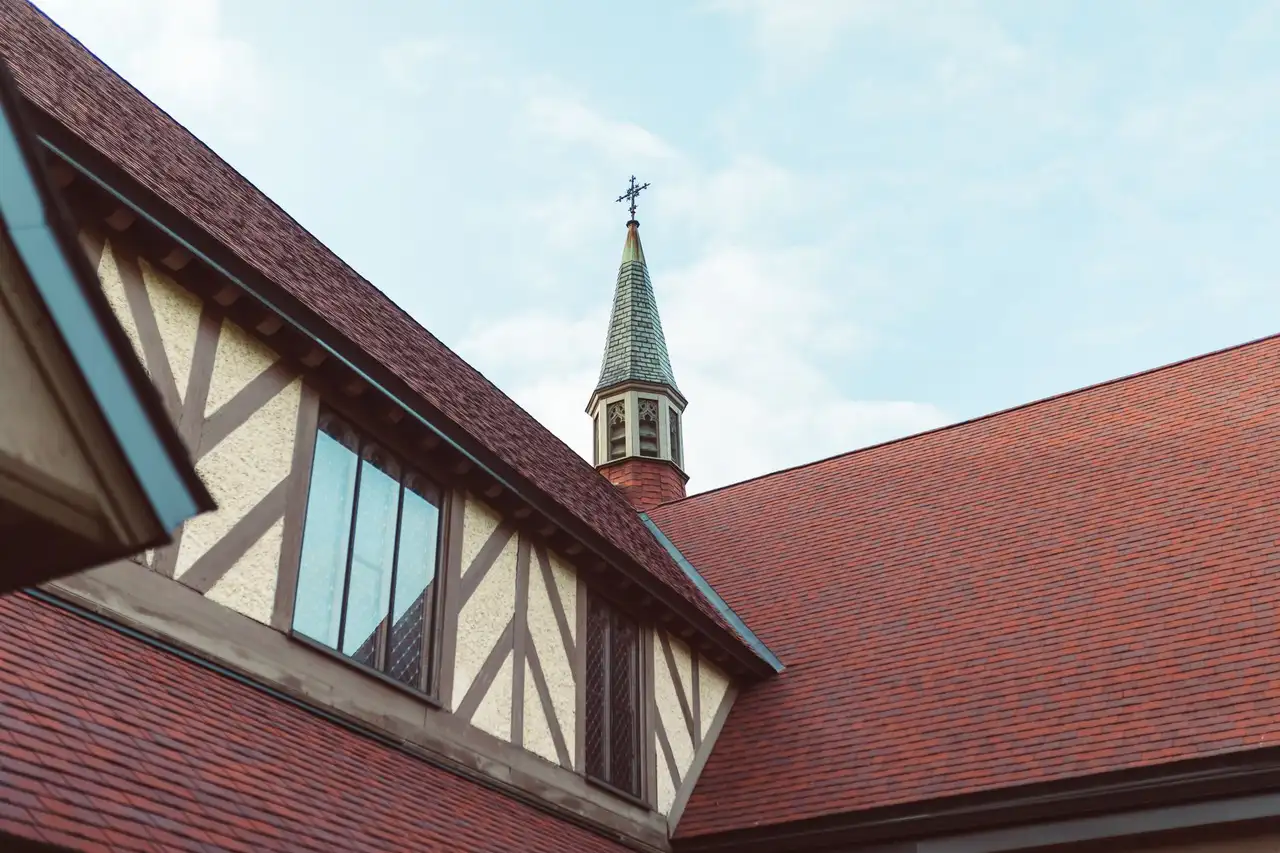
New construction or full tear-off? We install PVC membrane and other flat-roof systems from the deck up, with insulation, flashing, and drainage planned together. Most Huntsville commercial installations take two to five days.
View service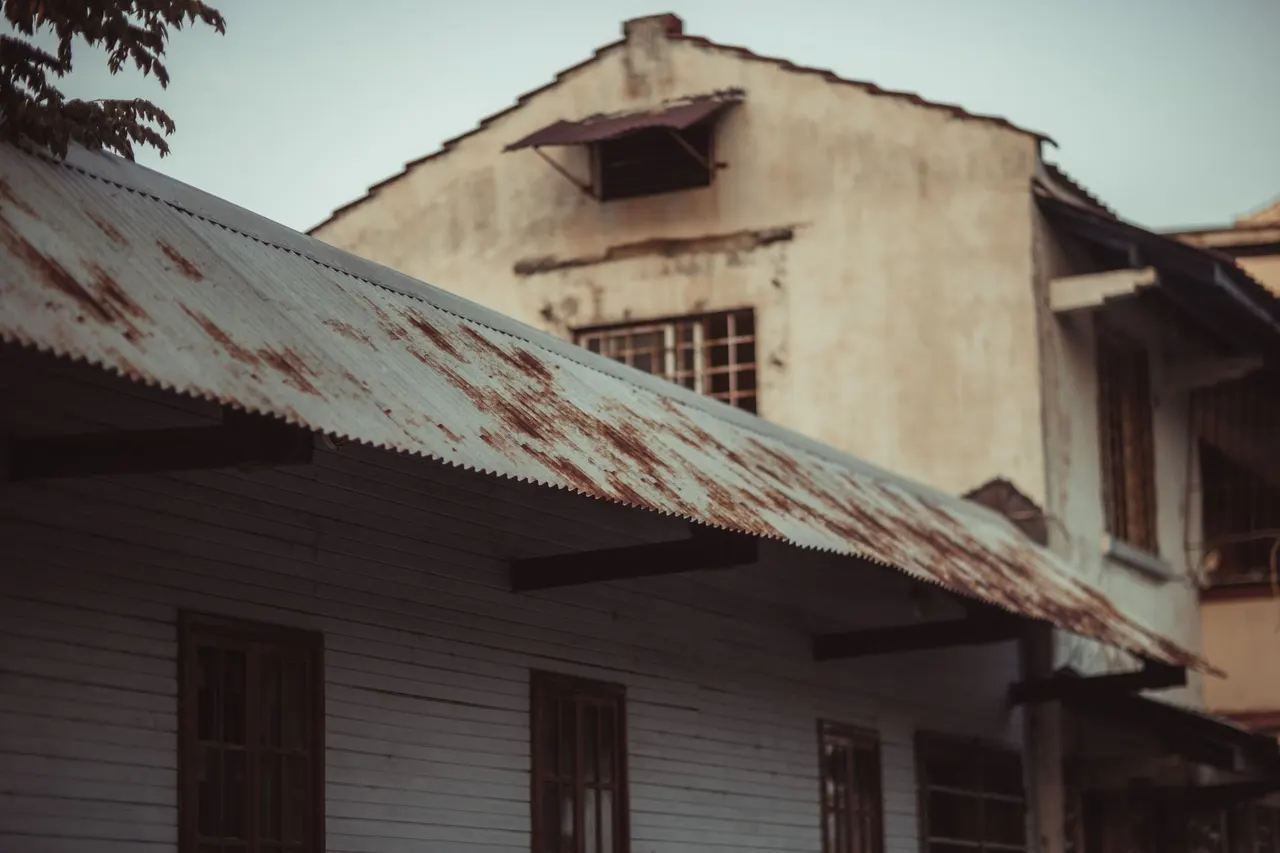
When repairs stop making sense, we remove the old roof and install a new PVC membrane system. We handle tear-off, deck repair, and disposal, and we tarp overnight if weather moves in. Typical replacement runs three to five days.
View service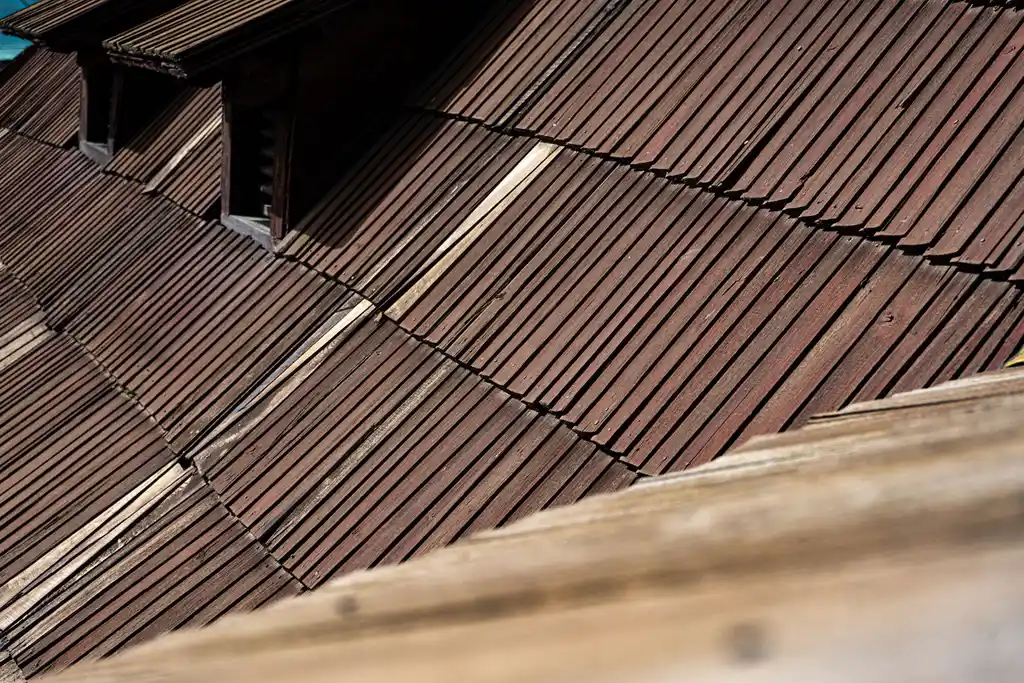
Punctures, seam failures, and flashing leaks get fixed with PVC-compatible materials and heat-welded patches. We don't slap tar on a PVC roof. Most repairs are done in a single visit and carry a workmanship warranty.
View serviceA 60 to 90-minute inspection covers membrane condition, seam integrity, flashing, drains, and insulation moisture. You get photos and a written report. We recommend annual inspections for every commercial PVC roof in Huntsville.
View service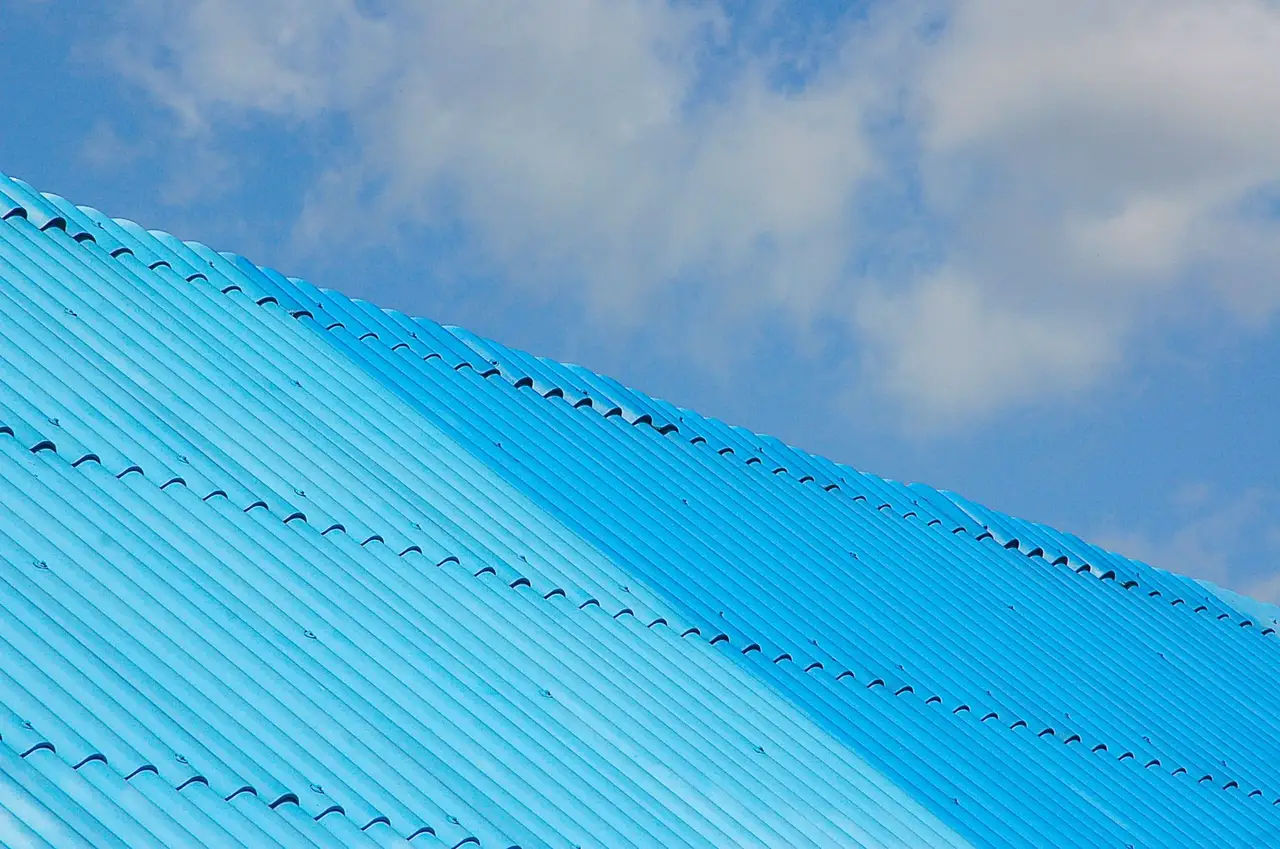
Call us any time, day or night. Our office answers from 8 a.m. to 6 p.m. Monday through Friday, and the emergency line stays open around the clock for active leaks and storm damage. Most Huntsville inspections get scheduled within 48 hours, and emergency calls get a same-day tarp.