Focused arrival windows
Useful updates and clear arrival timing.

Modified Bitumen Roofing in Huntsville is the go-to answer for flat and low-slope roofs on garages, additions, and commercial buildings. We install, repair, and recoat modified bitumen roof systems across Walker County, and we have been at it since 2000. If your flat roof is ponding water or you have a leak you cannot trace, we will find it and fix it.
Useful updates and clear arrival timing.
Review the approach and price before deciding.
Equipped vehicles and respectful cleanup.
Neighbors serving neighbors with follow-through.
Every full install covers the deck, the membrane, the flashing, and the cleanup. Repairs are scoped to the actual damage so you are not paying for work you do not need.
We strip the old membrane and haul it away. On multi-layer roofs we remove every ply so the new system bonds to a clean deck, not to failing material underneath.
Rotten plywood gets replaced. Low spots get built up so water moves to the drains. We check slope with a level before the membrane goes down, aiming for a quarter-inch per foot minimum.
A base ply plus a granulated cap sheet, both SBS-modified. Seams are torched or self-adhered depending on the system spec. This is the build that gets you 20 to 30 years.
Wall flashing, curb flashing, drain collars, pipe boots, and drip edge all get set and sealed. This is where most flat roof leaks start, so it gets the most attention.
We clear, reseal, and pressure-test drains and scuppers so water leaves the roof. A clogged drain is the number one cause of ponding water on flat roofs in Huntsville.
Nails and screws get swept from the yard and driveway with a magnetic sweeper before we leave. We do this at the end of every workday, not just at the end of the job.
Share what is happening and receive a clear next step from the local team.
Modified Bitumen Roofing in Huntsville is a reinforced asphalt membrane roofing system that is heat-applied or self-adhered over a flat or low-slope deck. The membrane starts as asphalt modified with SBS or APP polymers, then gets laminated to a fiberglass or polyester mat for strength. It goes down in rolls, usually two plies, with overlapping seams sealed by torch, hot asphalt, or peel-and-stick adhesive. That layered build is why it handles foot traffic and ponding water better than a single-ply sheet alone.
Flat roofs around Huntsville take a beating. Summer surface temps push past 150 degrees, spring hail rolls through Walker County, and fall storms dump water fast enough to find every seam. When a modified bitumen roof Huntsville building has starts to fail, you usually see it first as bubbling, granule loss, or a stain on the ceiling below. We see a lot of 15- to 25-year-old membranes that just need repair, and a lot of 30-year-old ones that need replacement.
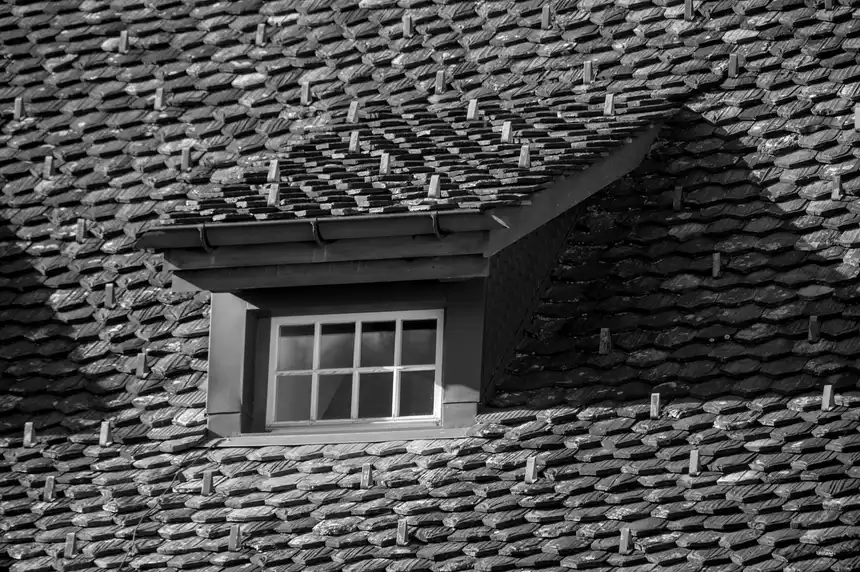
We walk the roof, check the flashing, drains, and penetrations, and look for soft spots in the deck. You get photos and a written scope the same day. Most inspections take 45 to 60 minutes on a typical Huntsville flat roof.
We strip the old membrane down to the deck, pull the nails, and replace any rotten plywood. A 1,500-square-foot roof usually takes one to two days. We run a magnetic sweeper across the yard and driveway before we leave each day.
We lay a base ply, then the cap sheet, sealing every seam with a torch or self-adhered lap. Flashing at walls, curbs, and drains gets reinforced with the same membrane. A two-ply system on 1,500 square feet runs two to three days.
Edge metal, drip edge, pipe boots, and drain collars all get set and sealed. This is where most flat roof leaks start, so we spend the time here. We pressure-test the drains before we button up the job.
We walk the roof with you, show you the seams and flashing, and hand over the warranty paperwork. The magnetic sweeper goes over the yard one more time. You get a 5-year workmanship warranty on full installs.
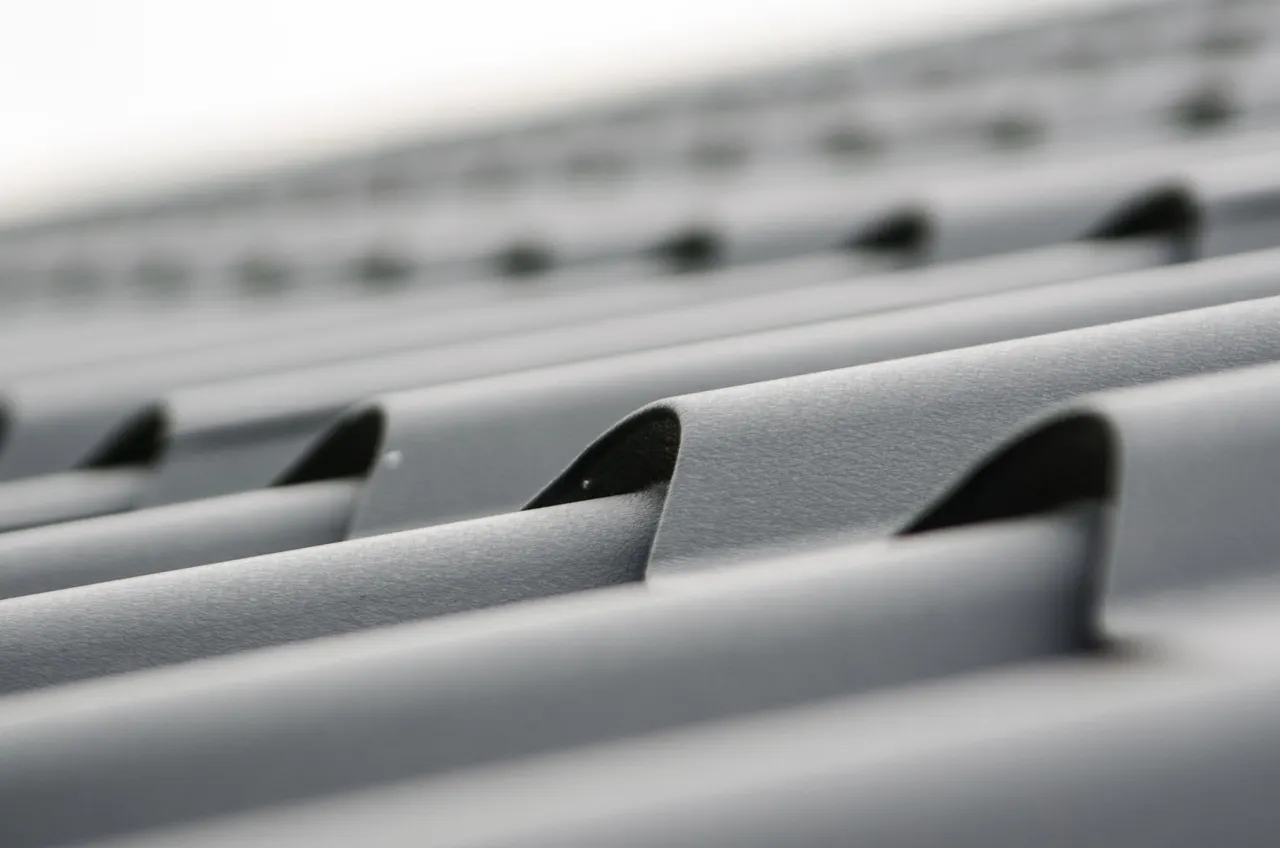
Heats the membrane and base ply so seams fuse into one continuous sheet. We use it on SBS systems where a heat-welded lap is specified.
Pulls old nails and lifts the existing membrane during tear-off without damaging the deck underneath.
Marks and cuts membrane rolls to exact length so laps are consistent and seams line up square.
Pulls nails and screws out of the yard and driveway at the end of every workday. Non-negotiable on any job with pets or kids around.
Clears debris, granules, and standing water off the deck before the new membrane goes down.
Keeps our crew tied off and stable on steep or high sections. OSHA requires fall protection above six feet, and we follow it.
A base ply plus a granulated cap sheet, both SBS-modified. The two layers move independently, which handles thermal expansion better than a single sheet and gives you a repairable surface.
We heat the lap and roll it tight so the two plies fuse into one continuous membrane. Done right, the seam is stronger than the sheet itself.
Used where open flame is not safe, like near gas lines or on occupied buildings. The adhesive backing bonds to the deck and laps without a torch.
We build slope into the roof with tapered insulation boards and crickets so water flows to the drains instead of ponding in the middle.
A white coating applied over a sound membrane drops surface temps and restores UV protection. We recoat every 10 to 12 years as part of a maintenance plan.
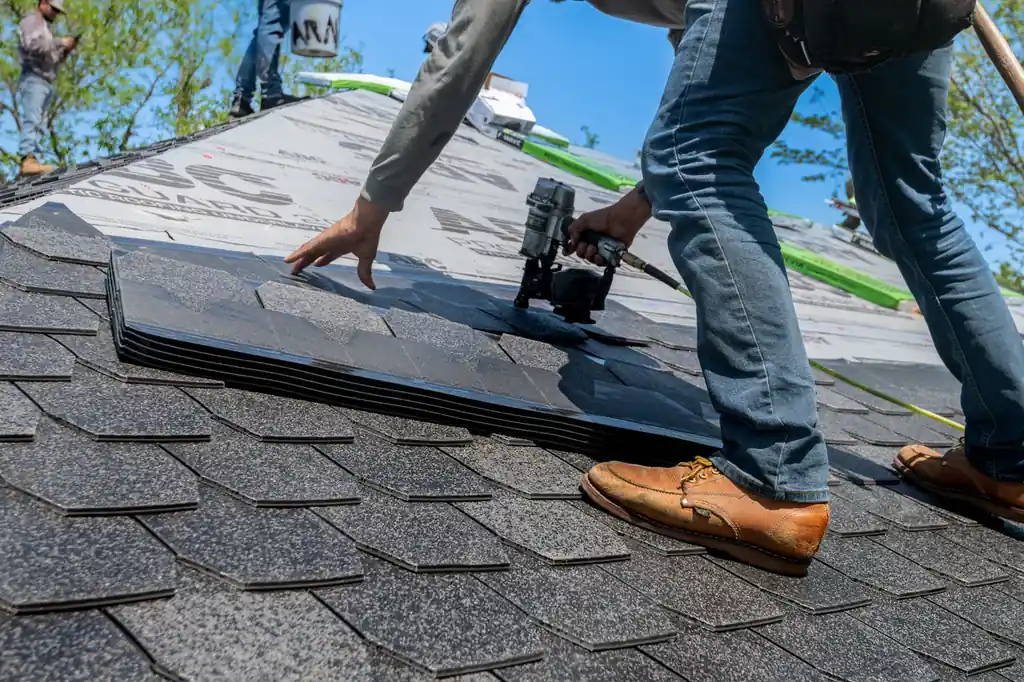
We tear off the old material, fix the deck, and install a two-ply modified bitumen system with proper slope to a new drain or scupper. A watertight flat roof that lasts 20 to 30 years and can be walked on without damage.
We inspect the full membrane, repair what is sound, and replace only the failed sections. If more than 30 percent is gone, we scope a full replacement. Either several more years out of the existing roof or a clean replacement with a manufacturer warranty.
We document the damage with photos, tarp anything open, and provide the scope your adjuster needs. Then we do the repair or replacement once the claim clears. A repaired roof and a claim that moves through without argument over the scope.
We walk the roof, check seams, flashing, and drains, and issue a written certification if the membrane is watertight and code-compliant. A signed certification the buyer, lender, or tenant will accept.
Huntsville sits in Walker County where summer surface temps on a flat roof hit 150 degrees and spring hail comes through hard. That combination ages modified bitumen faster than the manufacturer's lab numbers suggest, so we build in extra protection: a granulated cap sheet, reflective coating on the schedule, and annual drain cleaning. Most of the flat roofs we work on are on garages, room additions, and small commercial buildings around town. Building stock here ranges from 1970s ranch homes to newer metal buildings, and the flat sections on all of them need the same thing: proper slope, sealed seams, and flashing that actually holds. If you need commercial modified bitumen roofing Walker County TX businesses can rely on, we handle buildings up to 20,000 square feet. We also work with the Texas windstorm code requirements when a roof is in a designated zone.
Older commercial buildings with flat roofs that have been patched for decades. Many need full tear-off and rebuild rather than another patch.
Rural properties with garages, shops, and outbuildings that often have flat or low-slope roofs. Access and staging take planning.
Residential area with a mix of ranch homes and additions. Flat roof sections on additions are a common repair call.
Larger rural tracts where we see barns and shops with flat roofs that need modified bitumen or corrugated metal.
Quiet community with older homes. Flat roof sections here are often original to the house and past their service life.
Asphalt dries out and granules loosen faster. We spec a granulated cap sheet and schedule recoats every 10 to 12 years to keep UV off the asphalt.
Hail bruises the membrane and knocks granules loose. We inspect after every major storm and document damage for insurance claims.
Water finds every failed seam fast. We clear drains and scuppers before fall and check flashing at the same time.
Foundation movement can stress roof-to-wall connections. We build flashing with enough flexibility to move without tearing.
A 600-square-foot garage roof with three layers of failing modified bitumen, two sheets of rotten plywood, and a leak that had stained the ceiling for two years. Previous patches had failed within months.
Full tear-off, new deck, and a two-ply SBS system with a granulated cap sheet. Total job took two days. The roof has been through two storm seasons with no leaks and no callbacks.
Maintenance: Clear the drain twice a year and keep tree limbs off the roof. Recoat in 10 to 12 years to extend the cap sheet.
A 12,000-square-foot warehouse roof with failed seams over three bays and ponding water near two drains. The owner was quoted a full replacement by another contractor.
We repaired the failed seams with new membrane, re-sloped two low spots with tapered insulation, and cleared the drains. Cost came in around $8,500 instead of $45,000 for a full replacement.
Maintenance: Annual inspection and drain cleaning. We recoat the repaired areas every 10 years to match the rest of the roof.
A 1,200-square-foot flat roof on a home addition took hail that bruised the membrane and stripped granules across half the surface. The homeowner had a ceiling stain within a week.
We documented the damage, patched the bruised areas, and applied a reflective coating over the whole roof. Insurance covered most of the work. Surface temps dropped noticeably and the membrane is protected again.
Maintenance: Inspect after every hail event and recoat every 10 to 12 years. Keep the drain clear so water does not pond on the repaired areas.
Most flat roof calls come down to five issues. Here is what they look like and what we do about them.
Standing water works its way into seams and flashing within a season or two, and the weight stresses the deck. Left alone, it turns a $600 repair into a full replacement. We find the low spot, clear the drain or scupper, and either re-slope the area or install a tapered insulation crickett so water moves off the roof. Most ponding fixes are done in one day.
A split seam lets water straight into the building. By the time you see a ceiling stain, the insulation and deck below are usually wet too. We cut back the failed seam, dry the area, and re-lap it with new membrane. Wall and curb flashing gets reinforced with the same material. Repairs typically run $350 to $1,200 depending on how much area is involved.
Hail bruises the membrane and knocks the granules off the cap sheet. Without granules, UV eats the asphalt and the roof ages years in a single summer. We document the damage, patch the bruised areas, and recoat the roof with a reflective coating to restore UV protection. If damage is widespread, we scope a full replacement and work with your insurance.
Water has nowhere to go, so it backs up under the roof edge and rots the fascia. It also ponds on the membrane, which is the fastest way to kill a flat roof. We clear the gutters, downspouts, and roof drains, then check the fascia and soffit for rot. If the edge is damaged, we repair it before it spreads into the roof structure.
Trapped heat drives attic temps past 140 degrees, which bakes the underside of the deck and shortens membrane life from below. We check intake and exhaust venting and add ridge vents or additional intake where needed. Better airflow drops attic temps and takes pressure off the roof system.
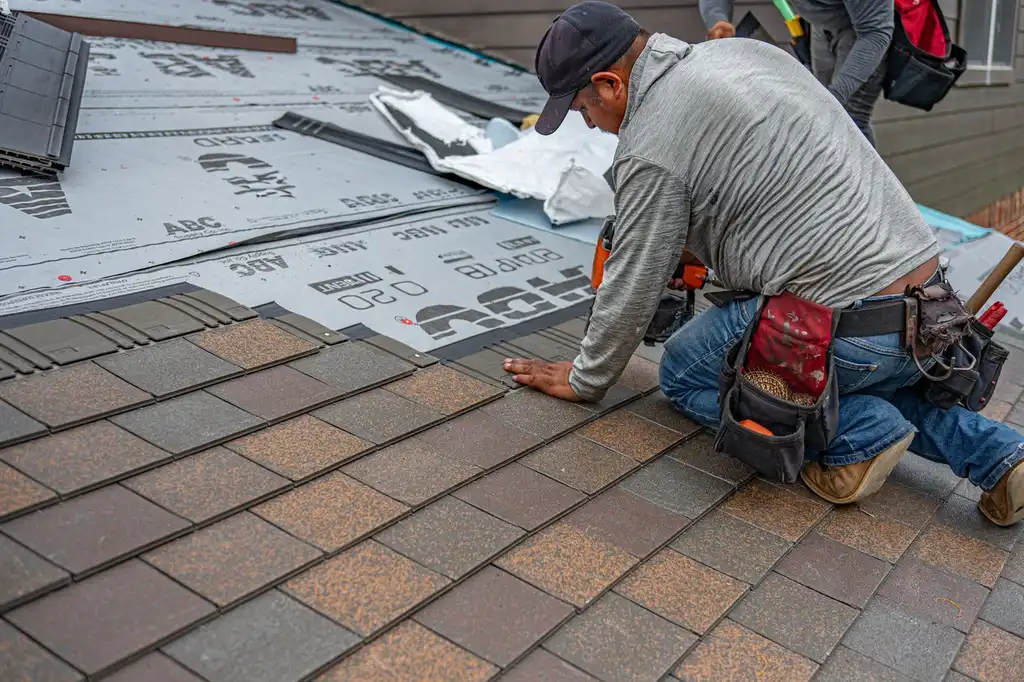
Pro Roofing Huntsville has been installing and repairing modified bitumen roofing in Huntsville Texas since 2000. Our crews are trained on torch-applied and self-adhered systems from Firestone and Carlisle SynTec, and we hold NRCA membership. We have worked on hundreds of flat roofs across Walker County, from small garage additions to 20,000-square-foot commercial buildings. We carry a Texas roofing license, full workers compensation insurance, and OSHA safety certification for every crew member on your roof.

We had a 12,000-square-foot warehouse roof leaking over three different bays. Pro Roofing Huntsville came out, found the failed seams, and repaired the modified bitumen without tearing off the whole roof. That saved us close to $40,000. They tarped the worst spot the same night we called.
Our garage roof had been patched three times by other guys and still leaked. This crew tore it down to the deck, replaced two sheets of rotten plywood, and put down a new two-ply modified bitumen system. Two days of work and no leaks through two big storms since.
I called about a stain on my ceiling and expected the worst. They walked the roof, showed me photos, and it was one bad flashing detail at the drain. Fixed it in a couple hours for under $500. Honest work, no upsell, and they cleaned the yard before they left.
Most residential flat roofs run $4.50 to $8.00 per square foot installed in 2026, so a 1,500-square-foot roof lands between $6,750 and $12,000. Repairs are far cheaper, usually $350 to $1,200. Deck condition, number of layers to tear off, and how much flashing work is needed drive the number more than anything else.
Pro Roofing Huntsville installs and repairs modified bitumen roofs across Walker County and has since 2000. We are a licensed Texas roofing contractor carrying workers compensation insurance. Call us and we will walk your roof, usually the same day, and give you a written scope with photos before any work starts.
A two-ply modified bitumen system lasts 20 to 30 years here with basic maintenance. The heat and hail in Walker County are the two big variables. We see the longest life on roofs that get an annual inspection, clean drains, and a recoat every 10 to 12 years to keep the cap sheet from drying out.
Yes. It is one of the best choices for flat and low-slope roofs in this climate. It handles 150-degree summer surface temps, resists ponding water, and takes foot traffic from HVAC techs without puncturing. It also costs less than standing seam metal on a low-slope deck and is far easier to repair when something goes wrong.
Not seeing your question? Our local team can help you understand urgency, scheduling and what to expect.
Ask the local team
New construction and full tear-off installs across Huntsville. We set the deck, underlayment, and finished roof system so the modified bitumen membrane has a flat, dry base to bond to.
View service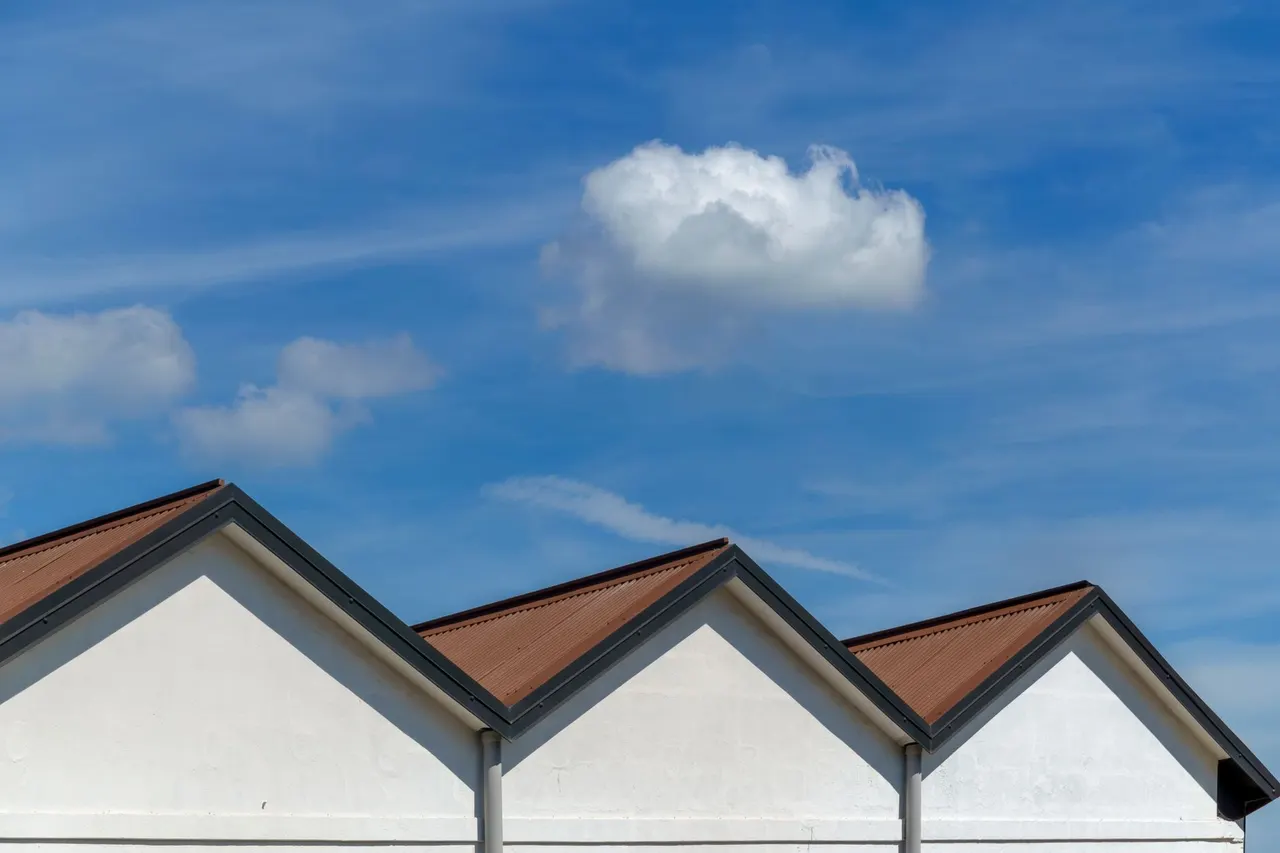
When a modified bitumen roof is past 25 years and patching stops making sense, we tear it off and rebuild. We handle the deck, insulation, and membrane in one job.
View service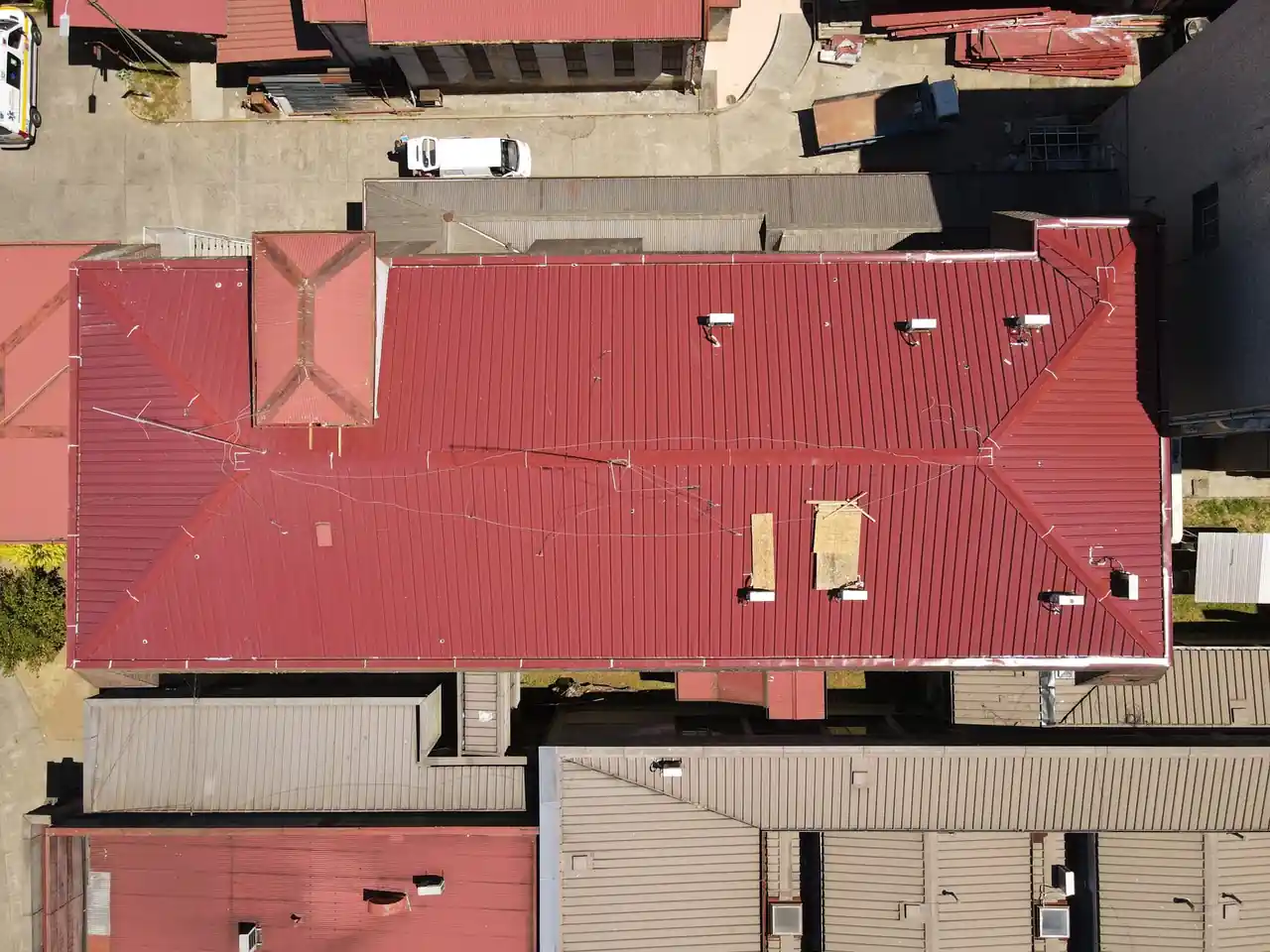
Seam splits, punctures, flashing failure, and blistering all get fixed fast. Most modified bitumen repairs in Huntsville are done in a single visit with a torch or self-adhered patch.
View service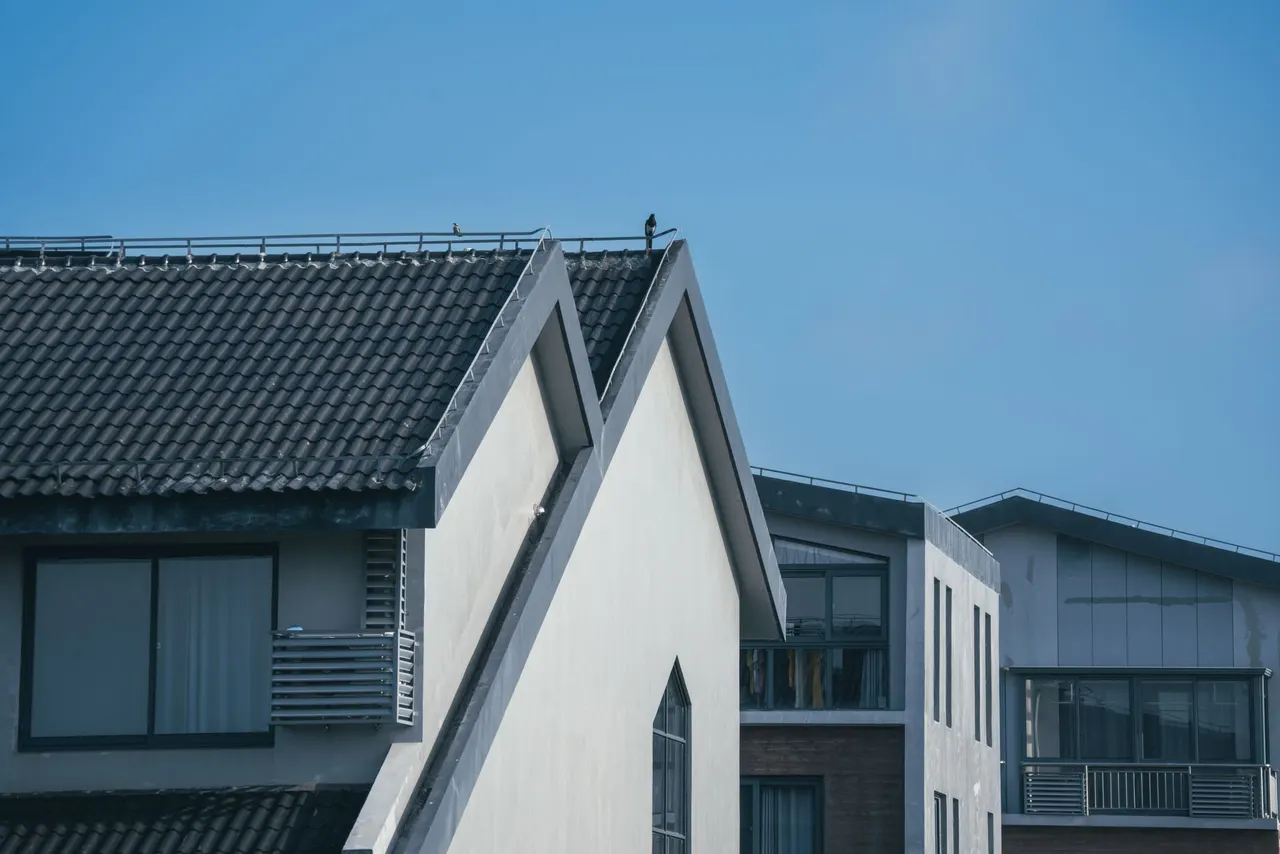
A 45-minute walk of your flat roof with photos and a written report. We check seams, flashing, drains, and deck condition so you know exactly what shape the membrane is in.
View service
Call us any time, day or night. Our office answers from 8 a.m. to 6 p.m. Monday through Friday, and the emergency line stays open around the clock for active leaks and storm damage. Most Huntsville inspections get scheduled within 48 hours, and emergency calls get a same-day tarp.