Focused arrival windows
Useful updates and clear arrival timing.
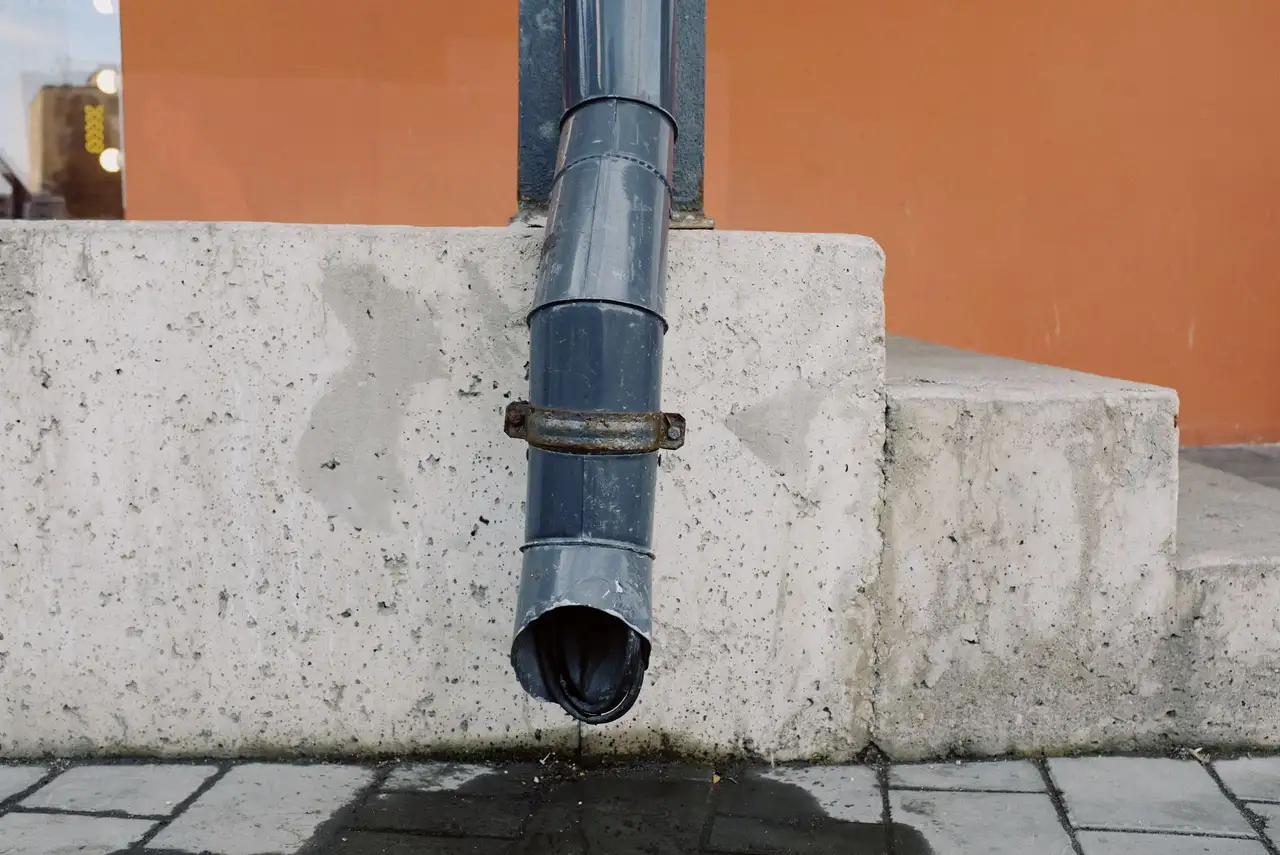
Downspout Installation Huntsville TX keeps storm water off your foundation, out of your flower beds, and away from your fascia. If your gutters overflow at the corners or your old downspouts dump right beside the slab, we size, hang, and tie in new downspouts that actually drain. We work roofs across Walker County and the 77340 corridor, so we know how hard Texas rain hits a house.
Useful updates and clear arrival timing.
Review the approach and price before deciding.
Equipped vehicles and respectful cleanup.
Neighbors serving neighbors with follow-through.
Every downspout job we quote covers the full run from the gutter outlet to the discharge point. We do not piece out the small parts and surprise you later. If we find something extra, like rotted fascia or a crushed underground line, we stop and tell you before we do the work.
We cut a clean outlet in the gutter, fit the drop, and seal it with gutter sealant so it does not leak behind the fascia. The outlet is sized to match the downspout so the water flows freely instead of backing up in the trough.
We supply and install the downspout, elbows, and fasteners. Runs are cut to length on site, crimped at the joints, and screwed together so they will not separate in a windstorm. You pick the color to match your gutter and trim.
Loose downspouts pull away from the wall and leak at the joints. We fasten hangers every 4 to 6 feet, and closer on two-story runs, so the pipe stays tight against the fascia and the pitch stays correct from top to bottom.
We finish the run with a splash block, a 4 to 6 foot extension, or a buried discharge line, depending on your grade and where you want the water to go. The goal is simple: get the water at least 4 feet from the foundation.
Before we leave, we run water through the gutter and watch it come out the bottom of the downspout. You get a walkthrough of every discharge point and a clean job site, with the old pipe and any debris hauled off.
Share what is happening and receive a clear next step from the local team.
Downspout Installation Huntsville TX is the roof-drainage work that carries water from your gutter troughs down and away from the structure. We measure the roof's square footage, count the gutter runs, and calculate how many downspouts the system needs to handle a hard Texas rain. Then we cut the gutter, set the outlet, fasten the downspout with hangers and screws, and add extensions or underground runs so the discharge lands where it should. Every joint is sealed, every elbow is fitted, and every run is pitched so water never stands in the pipe.
Huntsville gets 45 to 50 inches of rain a year, and most of it arrives in fast spring and fall storms. When a downspout is missing, crushed, or dumping at the foundation, that water has nowhere to go but into your soil and against your slab. We see it constantly in older homes near downtown and in newer builds off Highway 30. If you have been searching downspout installation near me Huntsville, we handle the whole job: removal of the old pipe, new downspouts Huntsville homeowners can count on, and a walkthrough so you know where every run discharges.

We walk the roof and the gutter line, count the existing downspouts, and measure the total run. We check for clogged gutters, loose hangers, and any soft fascia that needs attention before we hang new pipe. This usually takes 20 to 30 minutes on a single-story home.
We calculate how many downspouts the roof needs based on square footage and roof pitch. A typical 2,000 square foot Huntsville home needs four to six downspouts. We mark the outlet locations, confirm the discharge points with you, and pick the color that matches your gutter and trim.
Old downspouts come down, and we scrape and clean the gutter outlet. If the gutter end is cracked or the seal is gone, we repair it before the new pipe goes on. We also check the fascia and soffit behind the run and flag any rot we find so you can decide how to handle it.
We cut the new downspout to length, fit the elbows, and fasten it with hangers every 4 to 6 feet. Outlets get sealed with gutter sealant, and every joint is crimped and screwed so it will not pull apart in a windstorm. On a standard home, the install takes two to four hours.
We add splash blocks, extensions, or buried runs so the water leaves the foundation. Then we run a hose test at the top of the gutter and watch the water come out the bottom. You get a walkthrough of every discharge point and a clean job site when we leave.
We use a roofing ladder to access the gutter line safely and a safety harness on two-story and steep-pitch roofs. Fall protection is not optional on our jobs.
We cut downspout and gutter material with tin snips and crimp the joints so each section fits tightly into the next. A clean crimp is what keeps the run from pulling apart in a storm.
We snap a chalk line to keep the downspout run straight and plumb against the fascia. A straight run looks better and drains better than one that wanders down the wall.
We blow off the roof and driveway and run a magnetic sweeper across the lawn to pick up screws and metal scraps. You should not find hardware in your grass after we leave.
We run water through the gutter at the end of the job to confirm the downspout discharges where it should. If the water backs up, we find out before we pack up, not after the next storm.
We size downspouts using the International Residential Code method, which factors roof area, roof pitch, and rainfall intensity. For Huntsville, that means planning for 45 to 50 inches of rain a year, with the heaviest volume in spring and fall storms.
Every run is pitched so water flows downhill from the gutter outlet to the discharge point. We check the grade at the end of the run and add extensions or buried lines until the water has a clear path away from the foundation.
We crimp and screw every joint instead of relying on friction alone. That keeps the elbows and sections together when wind shakes the run, and it keeps the pipe from separating at the worst possible moment.
Before the new downspout goes on, we clean and reseal the gutter outlet with gutter sealant. A leaking outlet is the most common reason a new downspout still drips at the top, so we fix it first.
We walk the roof and gutter line, count the existing downspouts, and quote a system that meets code for the roof size. We can usually schedule the work within a week of the inspection. You close on the house with a working drainage system and a written record of what was installed.
We come out, remove the damaged run, and install a new downspout with fresh hangers and sealed joints. If the gutter end is cracked, we repair that at the same time. The downspout is back on the wall and draining correctly, usually the same day you call.
We measure the roof and gutter run and add one or two more downspouts to handle the volume. We also check the gutter pitch to make sure water flows toward the new outlets. The gutters stop overflowing, and the water goes down the downspouts instead of over the edge.
We install new downspouts while the roof is off, so the outlets and hangers are set before the new shingles go on. The whole system is sized together instead of pieced together later. A new roof and a matched drainage system, installed in one project with one written price.
Huntsville sits in Walker County, where the clay soil holds water and the summer storms come fast. That combination is hard on roof drainage. We plan every downspout installation in Huntsville Texas around the local rainfall pattern, which means sizing for the 45 to 50 inches we get each year and making sure the discharge points move water well away from the slab. Older homes near downtown often have undersized gutters and only two downspouts, so we add runs to bring the system up to code. Newer builds off I-45 and Highway 30 usually have the right gutter but the downspouts dump too close to the foundation, so we add extensions or buried lines. We also watch for hail damage on the gutter and downspout elbows, since Huntsville gets hail most springs. If you have been looking for downspout installation Walker County TX, we cover the whole county and we know what the local soil and weather do to a drainage system.
Older homes with original gutters often have only two downspouts. We add runs and reseal the outlets to handle the roof area.
Larger lots with mature trees mean more leaves in the gutter. We install downspouts with strainers and check the discharge grade on sloped yards.
Rural properties often need longer discharge runs to move water away from the foundation and out to a ditch or dry well.
Newer construction with steep roofs needs downspouts sized for the faster water flow off the roof pitch.
Pier-and-beam homes need discharge points that keep water out of the crawlspace, so we extend runs well past the foundation line.
Water dumped at the foundation stays in the soil and swells it, which moves the slab. We route every downspout at least 4 feet from the wall and check the grade so water drains away.
Huntsville gets most of its rain in a few heavy storms. We size downspouts for that peak volume, not the average, so the system does not overflow when it matters.
Spring hail dents gutters and cracks downspout elbows. We inspect the elbows and outlets on every job and replace any part that has been damaged by hail.
Older neighborhoods have heavy leaf drop that clogs gutters and downspouts. We add strainers at the outlet and recommend a twice-a-year flush to keep the runs clear.
A 2,200 square foot home near downtown Huntsville had only two downspouts for the whole roof. Every hard rain, the gutters overflowed at the back corners and water ran down the siding into the flower beds. The fascia behind the back gutter was starting to soften.
We added two downspouts, bringing the total to four, and resealed both original outlets. The gutters stopped overflowing, the fascia dried out, and the water now discharges 5 feet from the foundation. The homeowner said the back corner has stayed dry through two storm seasons.
Maintenance: Flush the gutters twice a year, in spring and fall, and check the hangers after any storm with high wind. A quick look at the discharge points after a heavy rain tells you the system is still working.
A homeowner in Pine Hill had a downspout that emptied right at the corner of the slab. After every rain, water pooled against the brick and the soil stayed wet for days. The homeowner was starting to see a hairline crack in the brick veneer.
We installed a 6 foot buried discharge line that carries the water to the curb. The pooling stopped immediately, and the soil at the corner dried out within a week. The hairline crack has not grown since, and the homeowner checks the discharge point after every storm.
Maintenance: Check the pop-up emitter at the curb once a month during rainy season and clear any debris. If the water slows down, flush the line with a garden hose to clear sediment.
A windstorm pulled a downspout loose on a two-story home in Crabbs Prairie. The run was hanging off the wall and dumping water against the foundation. The homeowner called us the morning after the storm.
We removed the damaged run and installed a new downspout with hangers every 4 feet, plus a new elbow at the bottom. The job took about three hours. The downspout is tight against the fascia and the discharge point is 5 feet from the foundation.
Maintenance: After any storm with 40 mph winds or higher, walk the house and look for downspouts that have pulled away from the wall. Tightening a loose hanger early prevents the run from tearing off in the next storm.
Most of the downspout calls we get in Huntsville come down to one of these four problems. If you recognize yours, we can fix it, and we can usually tell you the price before we climb the ladder.
Water saturates the soil next to the slab, which causes foundation movement, cracked brick, and sticking doors. In Huntsville's clay soil, that damage can run into thousands of dollars. We add extensions, splash blocks, or buried discharge lines so the water leaves the foundation. We check the grade at each discharge point and route the run downhill, away from the house, so the soil around your slab stays at a steady moisture level.
Gutters overflow at the corners during a hard rain, sending water down the siding and into the landscaping. The roof is fine, but the drainage system cannot keep up with the volume. We measure the roof and gutter run, then install additional downspouts to bring the system up to code. On a typical Huntsville home, that means four to six downspouts instead of the two or three that were originally installed.
When the gutter is full of shingle grit and leaves, water cannot reach the downspout. It spills over the edge, rots the fascia, and stains the siding below. We clear the gutter, flush the downspout, and check the hangers while we are up there. If the downspout is undersized for the debris load, we replace it with a larger run and add a strainer at the outlet to keep the pipe clear.
A downspout that has pulled apart at the elbow dumps water right against the wall. It is an easy problem to miss until you see the stain on the foundation or the wet crawlspace. We re-hang the run, replace the damaged sections, and reseal every joint. If the pipe is crushed or the elbows are cracked, we install a new downspout with proper hanger spacing so it stays tight for years.

Pro Roofing Huntsville has been installing and repairing roof drainage in Walker County since 2000. That is 26 years of climbing ladders in Texas heat, working around hail damage, and fixing downspouts that other crews hung wrong. We hold manufacturer certifications through GAF and Owens Corning, carry workers compensation insurance, and follow OSHA safety standards on every job. Our crews know the local building stock, from pier-and-beam homes near Sam Houston State to new construction off I-45, and we size every downspout system for the rain this area actually gets.

We had water pooling at the corner of the slab every time it rained. Pro Roofing came out, showed me the old downspout was dumping right at the foundation, and had two new runs installed the same week. The crew was clean, the price matched the quote, and we have not had a puddle since. Worth every dollar.
After the last big storm, one of our downspouts was hanging off the house. I called on a Tuesday and they were out Wednesday morning. They re-hung the downspout, replaced a cracked elbow, and added an extension so the water goes out to the yard. Fast, fair, and they cleaned up everything before they left.
We manage several rental houses around Huntsville and use Pro Roofing for gutter and downspout work. They sized the downspouts correctly on a duplex that always flooded the crawlspace, and the problem is gone. They show up when they say they will and they send photos of the finished work. That is rare.
Most residential downspout installations in Huntsville run $180 to $450 per downspout, including materials and labor. A full four-downspout system on a single-story home typically lands between $700 and $1,600. Cost goes up with two-story access, buried discharge lines, or if we find rotted fascia that needs repair first. We give you a written price before any work starts.
Pro Roofing Huntsville installs downspouts across Walker County, including 77340, 77320, and 77341. We are a licensed and insured roofing contractor, not a handyman service, and we have been working on Huntsville roofs since 2000. Call us and we will schedule a roof and gutter check, usually within a day or two.
A good rule is one downspout for every 30 to 40 feet of gutter run, with a minimum of two per roof section. For a typical 2,000 square foot Huntsville home, that means four to six downspouts. Homes with steep roofs or long gutter runs may need more. We measure your roof and give you the exact count before we quote the job.
Yes, in almost every case. Without an extension, a downspout dumps water right at the foundation, which is the worst place for it. We add splash blocks, 4 to 6 foot extensions, or buried discharge lines that carry water to the curb or a dry well. In Huntsville's clay soil, moving that water away is the difference between a dry slab and a cracked one.
Not seeing your question? Our local team can help you understand urgency, scheduling and what to expect.
Ask the local team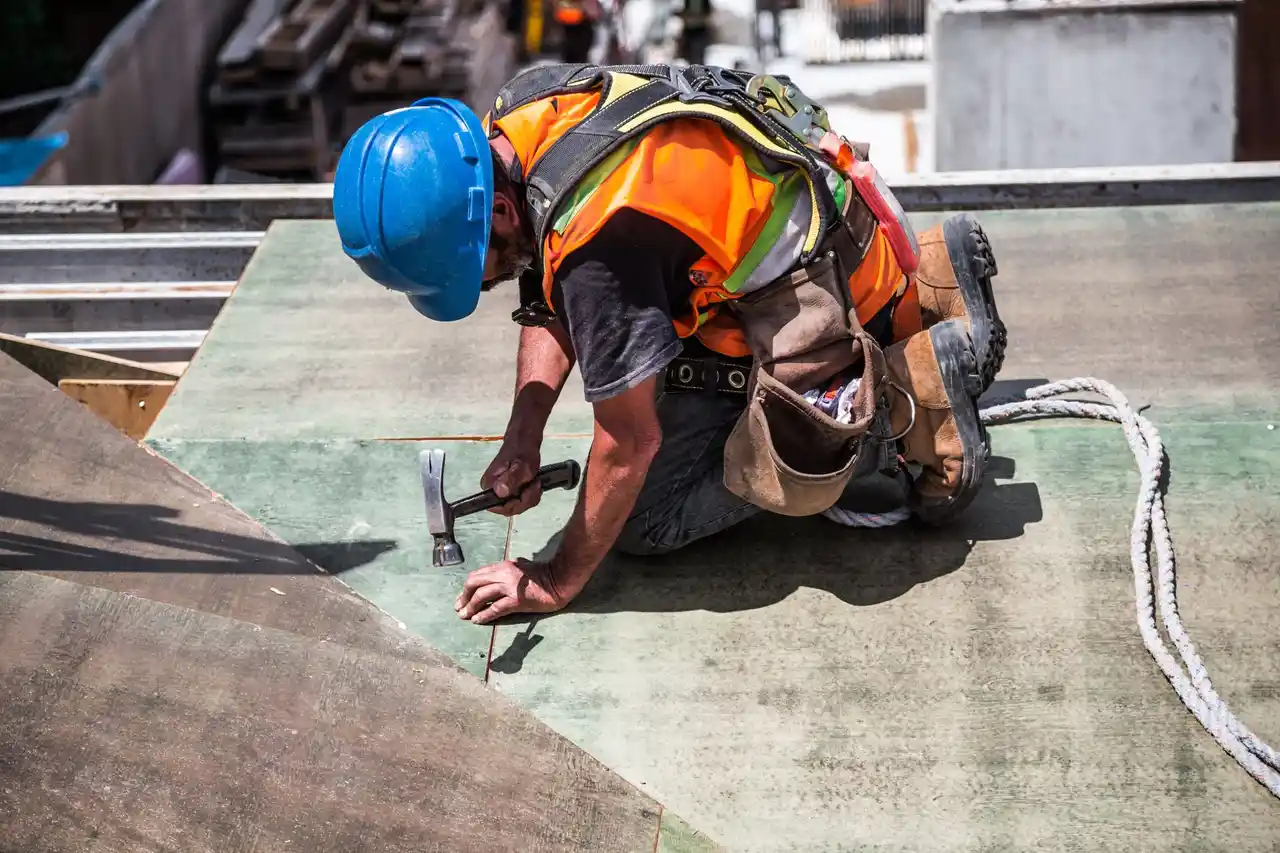
A new roof changes how water sheds, so we size and place downspouts to match the new pitch and square footage. If you are replacing the roof, it is the right time to upgrade the drainage at the same time.
View service
When we tear off and replace a roof in Huntsville, we inspect the gutter and downspout system before the new shingles go on. Old downspouts that are crushed or undersized get replaced so the new roof drains correctly from day one.
View service
Leaks at the gutter line often trace back to a failed downspout that let water back up under the shingles. We repair the roof and fix the drainage together so the same leak does not come back next storm season.
View service
Our roof inspections include a look at the gutter and downspout runs. We check for clogged gutters, loose hangers, and discharge points that are too close to the foundation, and we note anything that needs attention in the report.
View serviceCall us any time, day or night. Our office answers from 8 a.m. to 6 p.m. Monday through Friday, and the emergency line stays open around the clock for active leaks and storm damage. Most Huntsville inspections get scheduled within 48 hours, and emergency calls get a same-day tarp.