Focused arrival windows
Useful updates and clear arrival timing.
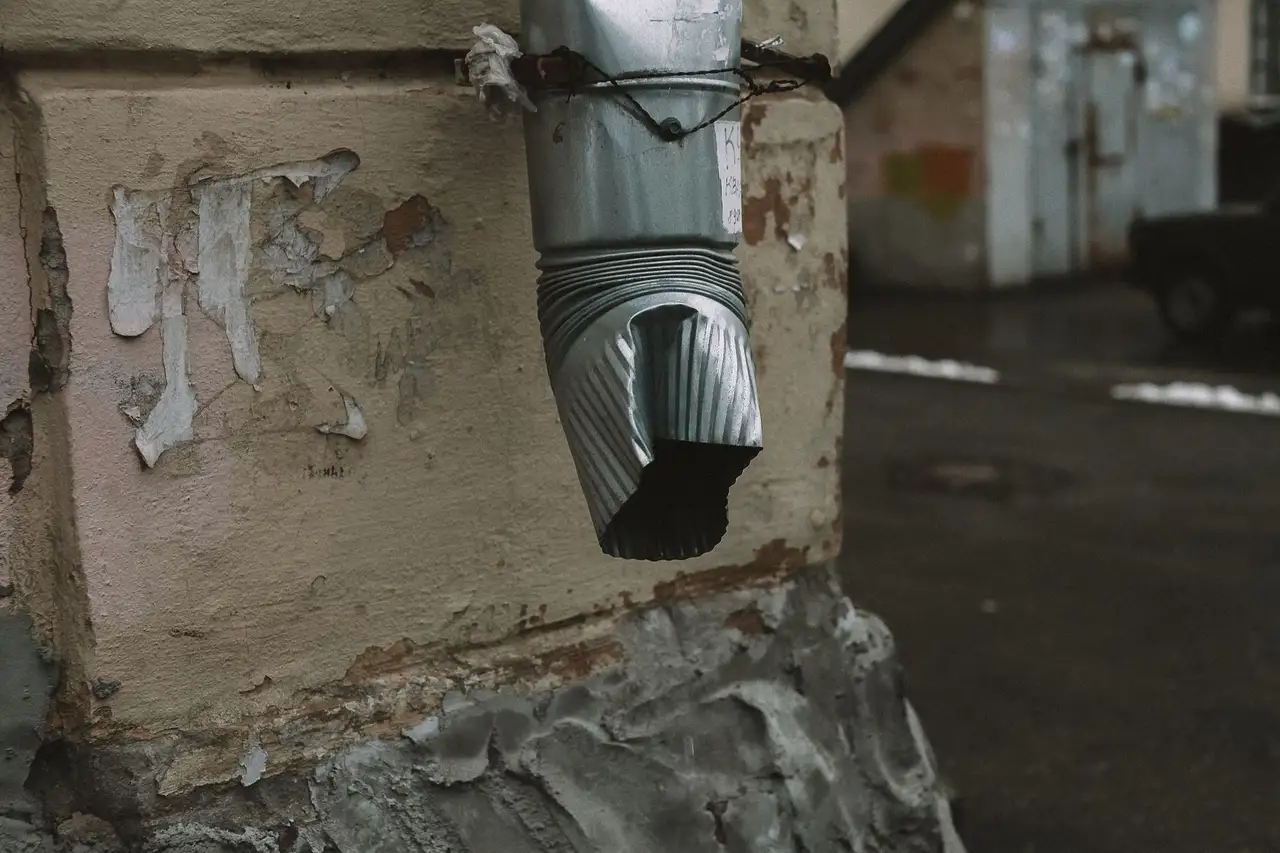
Roof Ventilation Huntsville TX is the difference between an attic that bakes at 150 degrees and one that breathes. We size ridge vents, intake vents, and powered exhaust for the way homes in Walker County actually age, so shingles last longer and summer cooling bills drop. If your attic runs hot or your roof deck sweats, we will tell you exactly what it needs.
Useful updates and clear arrival timing.
Review the approach and price before deciding.
Equipped vehicles and respectful cleanup.
Neighbors serving neighbors with follow-through.
Every job starts with an attic inspection and a net free area calculation. From there we install the intake and exhaust your attic actually needs. Here is what is covered in a standard roof ventilation service.
We measure square footage, check existing intake and exhaust, and calculate the net free vent area your attic needs. You get photos and a written summary before any work begins.
We cut in ridge vent along the peak and flash it properly. Ridge vent is the most efficient exhaust for pitched roofs and works continuously along the entire ridge line.
We install or clear soffit intake vents so air can enter the attic. Without intake, exhaust vents cannot pull. This is the most commonly skipped step in Huntsville attics.
If ridge vent alone is not enough, we add static vents or a powered attic fan sized to the space. Powered exhaust is common on larger attics with limited ridge length.
Every penetration gets roof flashing and approved sealant. We re-nail shingles with a roofing nail gun and run a magnetic sweeper over the yard to catch loose fasteners.
We smoke test the intake and confirm exhaust is pulling before we leave. You get a walkthrough of what was installed and how to keep soffit vents clear.
Share what is happening and receive a clear next step from the local team.
Roof Ventilation Huntsville TX is the engineered balance of intake and exhaust that moves superheated air out of your attic and pulls cooler outside air in. Without it, attic temperatures in a Huntsville summer climb past 140 degrees, cooking asphalt shingles from underneath and pushing that heat straight through your ceiling insulation into living space. We install ridge vent, soffit intake, static vents, and powered attic fans sized to your square footage, not guessed at.
Homes around Huntsville take a beating from humid Gulf air and long, brutal summers. When attic ventilation Huntsville is undersized, moisture condenses on roof decking, insulation sags, and you start seeing rusted nail points and dark staining on the sheathing. Add a 26-year-old house with original soffit vents clogged by insulation, and the whole system stalls. We fix the balance, not just one piece of it.
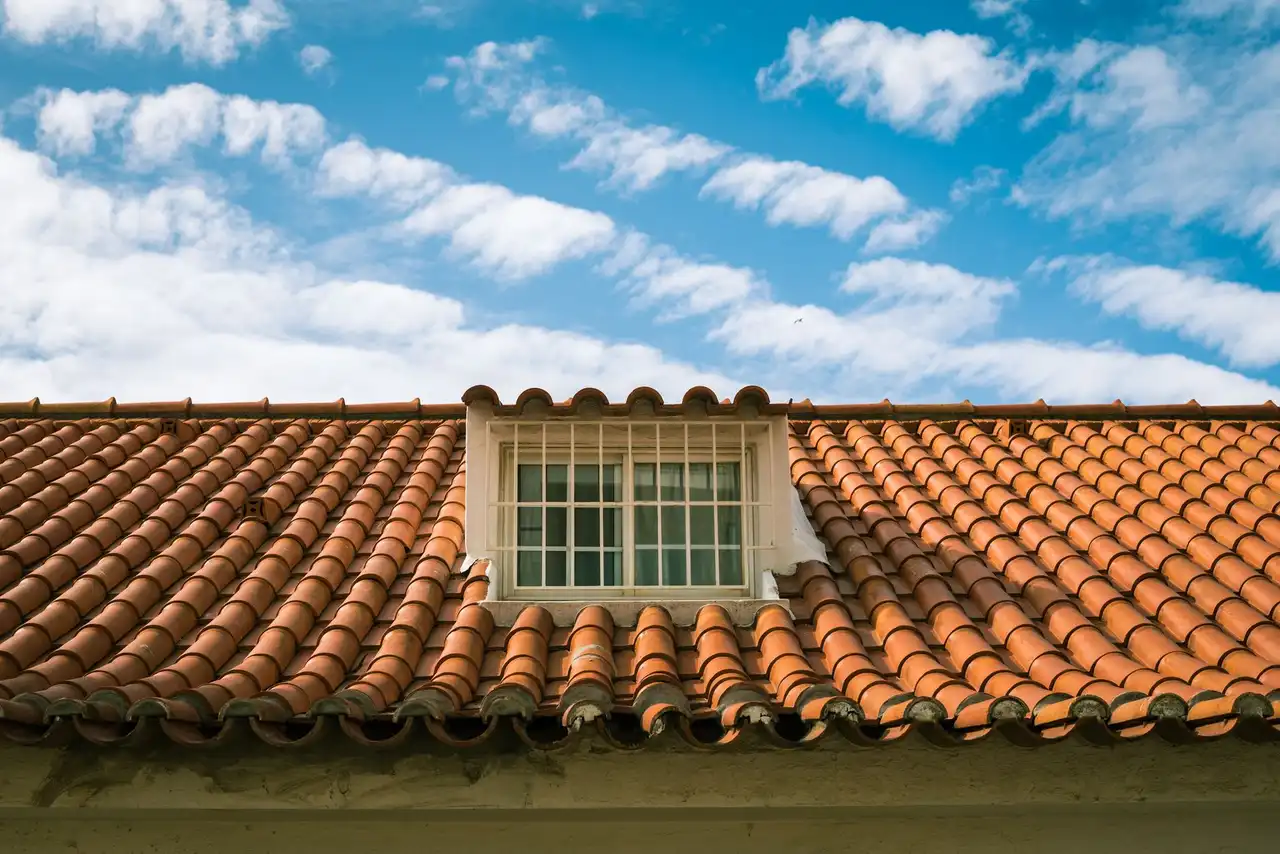
We climb in, measure square footage, check existing intake and exhaust, and look for clogged soffits, rusted nails, or stained sheathing. You get photos and a written net free area calculation, usually within 45 minutes.
We size the system to code and manufacturer specs, typically one square foot of net free vent area per 150 square feet of attic floor when intake and exhaust are balanced. That number drives every vent we install.
We cut in ridge vent along the peak, clear or add soffit intake, and set static or powered vents where the math calls for them. A standard ranch home takes one day; larger two-story plans run into a second morning.
Every penetration gets roof flashing, ice and water shield where needed, and a bead of approved sealant. We re-nail shingles with a roofing nail gun and run a magnetic sweeper over the yard before we leave.
We verify airflow with a smoke test at the intake and confirm exhaust is pulling. Then we walk you through what we installed, how to keep soffit vents clear, and what to watch for next season.
Re-nails shingles over new ridge vent and flashing quickly and consistently, which matters when you are cutting into an existing roof.
Marks the ridge cut line so ridge vent runs straight and the shingle courses stay aligned on both sides.
Lifts existing shingles and ridge caps without tearing them, so we can install vent underneath and re-lay the roof cleanly.
Gets us safely onto steep pitches. Every crew member is OSHA certified and harnessed on any roof over six feet.
Clears debris from soffit vents and ridge lines before we start, so we can see the actual airflow path.
Runs over the yard and driveway at the end of the job to pick up nails and staples. No flat tires for your family.
We measure attic square footage and calculate the net free vent area required, typically one square foot per 150 square feet of attic floor when intake and exhaust are balanced. That number drives every vent we install.
Exhaust without intake does almost nothing. We size intake and exhaust together so air moves continuously from soffit to ridge. This is the single most important part of the job.
We hold a smoke source at the intake vents and watch it get pulled into the attic. If it does not move, the system is not balanced and we keep working until it is.
We follow GAF, Owens Corning, and CertainTeed installation specs for ridge vent and intake. That keeps your roofing warranty intact and the ventilation performing as designed.
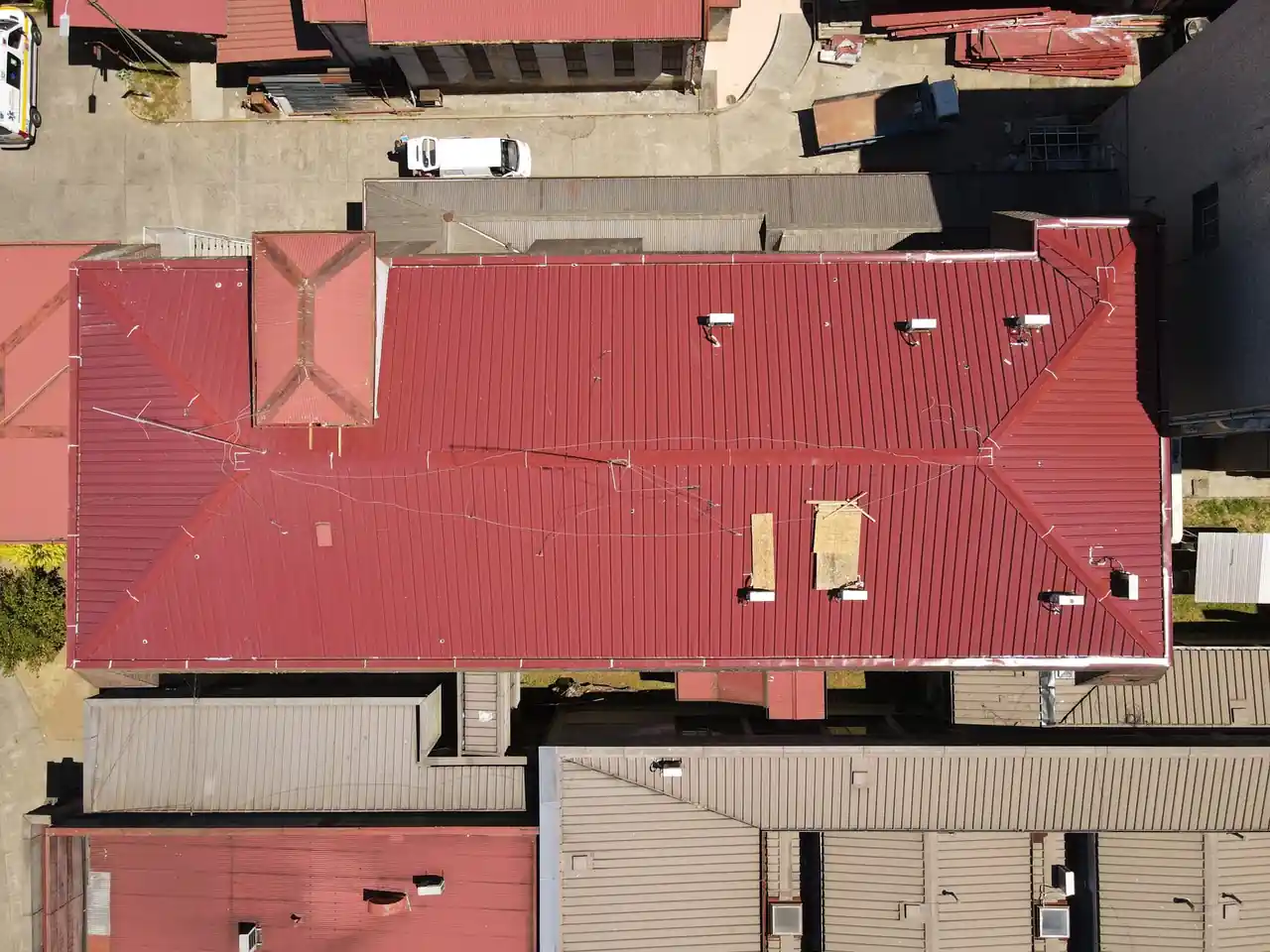
We clear the soffit intake, install ridge vent along the peak, and verify airflow with a smoke test. The whole job usually takes one day. Attic temps drop 30 to 40 degrees, insulation stays dry, and the AC stops running constantly in July and August.
We add soffit intake vents sized to match the existing exhaust and rebalance the system. No need to replace the ridge vent that is already there. The system actually pulls air, moisture stops condensing on the deck, and the builder warranty stays intact.
We install ridge vent and intake that work with the metal profile, flashing every penetration to keep the roof watertight. Condensation on the underside of the metal stops, and the roof deck stays dry through winter and spring humidity.
We add powered attic exhaust sized to the square footage, plus additional intake to feed it. The fan runs on a thermostat and only kicks on when the attic gets hot. Upstairs rooms drop 5 to 8 degrees, and the AC runtime falls noticeably during peak summer afternoons.
Huntsville sits in the East Texas humidity belt, and that shapes every ventilation job we do. Summer attic temperatures routinely hit 145 degrees, and winter humidity condenses on cold roof decking. Homes here range from 1950s pier-and-beam houses near the courthouse to new subdivisions off Highway 30, and each era has its own ventilation problems. Older homes usually have undersized soffit intake and no ridge vent. Newer homes often have exhaust but no intake. We also deal with Walker County code requirements and manufacturer specs, which is why we calculate net free vent area instead of guessing. If you are searching for roof ventilation Walker County TX, we work across 77340, 77320, and 77341. A standard job runs one day, and we verify airflow before we leave.
Older homes near the courthouse often have original soffit vents that are clogged or painted over. Clearing intake is usually the first fix.
Ranch-style homes with long ridge lines vent well with ridge vent. We see a lot of undersized intake here.
Two-story homes with limited ridge length often need powered exhaust to move enough air for the attic volume.
Rural properties with metal roofs need ventilation designed for the metal profile to avoid condensation on the underside.
Newer construction sometimes skips intake entirely. We add soffit vents and rebalance the system without touching the existing exhaust.
Shingles age from underneath and AC load climbs. Balanced ventilation drops attic temps 30 to 40 degrees and cuts cooling runtime.
Moisture condenses on cold decking in winter and spring. Exhaust vents move that humid air out before it can rot sheathing or soak insulation.
A warm attic melts snow that refreezes at the eaves. Proper exhaust keeps the roof deck cold and even, which reduces ice dam risk.
Static vents and ridge caps take damage. We replace cracked vents and verify the system still balances after the repair.
A 1970s ranch near downtown Huntsville had original soffit vents buried under 14 inches of blown insulation. Attic temperature hit 148 degrees in July, and the AC ran nonstop. The roof deck showed early staining from trapped moisture.
We cleared the soffit intake, installed ridge vent along the peak, and verified airflow with a smoke test. Attic temperature dropped to 112 degrees, and the homeowner reported a $40 monthly drop in summer cooling costs.
Maintenance: Keep insulation pulled back from soffit vents and check the ridge vent for debris each spring. A quick annual inspection keeps the system pulling.
A 2018 home off Highway 30 had ridge vent but no soffit intake. The exhaust was pulling almost nothing, and the roof deck showed condensation staining within three years. The builder had skipped intake entirely.
We added soffit intake vents sized to match the existing exhaust and rebalanced the system. The deck dried out over the following months, and the staining stopped spreading. No need to replace the ridge vent.
Maintenance: Check soffit vents each fall for paint, cobwebs, or insulation blockages. Intake is the easiest part of the system to lose and the most important to keep clear.
A metal roof installed over an old shingle roof in Phelps had no ventilation gap. Condensation formed on the underside of the panels every winter, and the homeowner was seeing drips in the attic.
We installed ridge vent and intake that work with the metal profile, flashing every penetration. Condensation stopped, and the deck stayed dry through two full winters and springs.
Maintenance: Inspect the ridge vent and intake each fall before the humid season. Clear any debris and confirm the flashing is still sealed.
Most attic problems in Walker County trace back to poor airflow. Here are the issues we see most often and how we correct them.
Shingles age from underneath, insulation loses R-value, and your AC runs nonstop. Over time the roof deck warps and fasteners back out. We calculate the net free vent area your attic needs and install balanced intake and exhaust. Most homes drop 30 to 40 degrees in the attic after the fix, which takes the load off your cooling system.
Trapped moisture rots sheathing, rusts nails, and soaks insulation. Left alone, it spreads and can lead to structural repairs. We add exhaust vents that move humid air out before it condenses. In many Huntsville homes, the fix is as simple as clearing clogged soffit intake and adding a proper ridge vent.
Intake is the foundation of the whole system. When soffit vents are blocked, exhaust vents pull almost nothing and the attic stalls. We clear blocked soffit vents, replace damaged ones, and make sure insulation is not covering the intake path. This single fix often restores airflow without adding new exhaust.
A previous installer added exhaust without intake, or vice versa. The system fights itself and delivers almost no airflow. We measure both sides of the system and rebalance it. Sometimes that means adding intake, sometimes exhaust. We do not sell vents you do not need.
Pro Roofing Huntsville has been on roofs in Walker County since 2000. That is 26 years of Texas heat, hail, and humidity teaching us what actually works. We hold manufacturer credentials with GAF, Owens Corning, and CertainTeed, and we are an NRCA member. Our crews carry OSHA safety certification and workers compensation insurance. We have corrected ventilation on everything from 1950s pier-and-beam homes near the courthouse to new builds off Highway 30, and we bring that pattern recognition to every attic we open.

Our upstairs bedrooms were unbearable every July. Pro Roofing added ridge vent and cleared the soffit intake that was buried under insulation. Attic temp dropped from 148 to 112 degrees. The AC does not run constantly anymore, and our electric bill dropped about $40 a month. They did the math and showed us before they started.
We had dark staining on the roof deck and could not figure out why. Their crew found the attic was pulling no air at all. They installed intake vents and a new ridge vent in one day. Six months later the deck is dry and the staining has stopped spreading. Fair price and no upsell.
After the last hail storm, our static vents were cracked and leaking. Pro Roofing replaced them and rebalanced the whole system. They also found a flashing issue we did not know about. Roof has been dry through two heavy springs. I would call them again without hesitation.
Most residential roof ventilation jobs in Huntsville run $450 to $1,800 depending on attic size and whether we are adding intake, exhaust, or both. A single ridge vent install on a small ranch home can land near $450, while a full balanced system with powered exhaust on a 2,500-square-foot attic runs closer to $1,800. We give you the number before we start.
Pro Roofing Huntsville installs roof vents across Walker County, including Pine Hill, Crabbs Prairie, and Phelps. We are a licensed roofing contractor, not a general handyman, because cutting ridge vent requires flashing and shingle work done to code. Call 766837673 and we will schedule an attic inspection, usually within a few days.
If your attic exceeds 130 degrees on a summer afternoon, you likely need more ventilation. Other signs: rusted nail points, dark staining on the roof deck, sagging insulation, and upstairs rooms that never cool down. We measure attic temperature and net free vent area during the inspection and tell you exactly what is missing.
Yes. Dropping attic temperature from 145 to 110 degrees reduces the heat load on your ceiling insulation, so your AC runs less. Huntsville homeowners typically see 10 to 15 percent lower cooling costs in July and August after a balanced system is installed. The payback period is usually three to five summers.
Not seeing your question? Our local team can help you understand urgency, scheduling and what to expect.
Ask the local team
New roof installs are the best time to get ventilation right. We design intake and exhaust into every roof installation so you never retrofit later.
View service
When we replace a roof in Huntsville, we upgrade ventilation at the same time. New ridge vent and intake cost far less during a replacement than as a standalone job.
View service
Leaks around vents and flashing are common. We repair the penetration and fix the ventilation problem that caused the moisture in the first place.
View serviceOur inspection includes an attic ventilation check. We measure net free vent area and attic temperature so you know whether the system is balanced.
View serviceCall us any time, day or night. Our office answers from 8 a.m. to 6 p.m. Monday through Friday, and the emergency line stays open around the clock for active leaks and storm damage. Most Huntsville inspections get scheduled within 48 hours, and emergency calls get a same-day tarp.