Focused arrival windows
Useful updates and clear arrival timing.
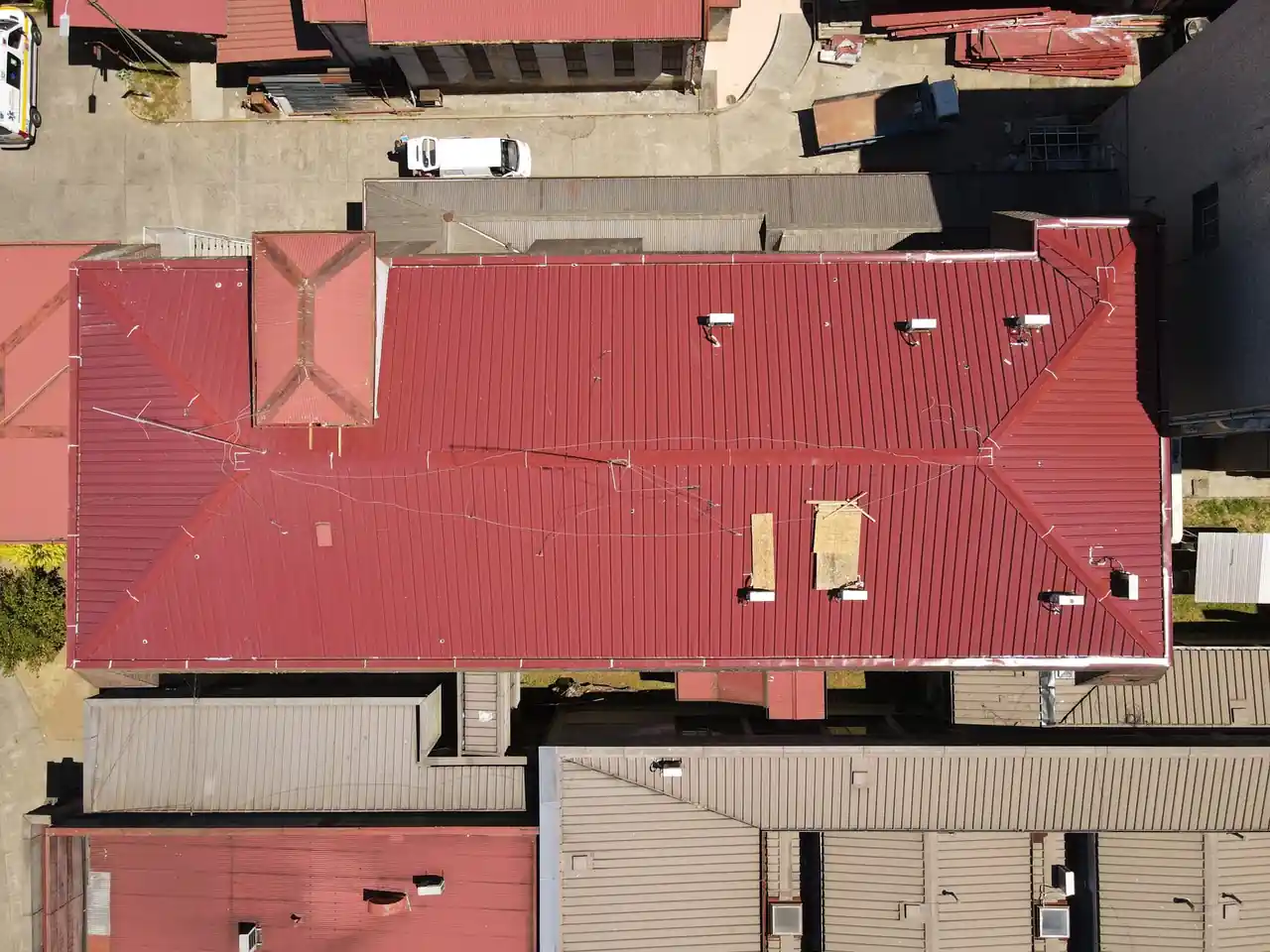
Gutter Installation Huntsville TX homeowners can count on starts with measuring your roofline, not guessing at it. We run seamless aluminum on site, pitch every run toward the downspout, and seal the corners so water leaves your fascia alone. If your old gutters overflow, sag, or dump rain against the slab, we replace them before the next storm finds the gap.
Useful updates and clear arrival timing.
Review the approach and price before deciding.
Equipped vehicles and respectful cleanup.
Neighbors serving neighbors with follow-through.
Every full gutter installation includes the measure, the seamless forming, the hangers, the downspouts, and a water test. Add-ons like leaf guards, fascia repair, and buried discharge are priced separately so you only pay for what your house actually needs.
We walk the roofline, count downspouts, and check fascia condition before quoting. You get a written price the same visit, broken out by linear feet and add-ons. No phone estimate that changes once the ladder goes up.
We run 5 inch or 6 inch K-style aluminum through a seamless machine in your driveway. Runs come out in one piece, corner to corner, in a color matched to your trim. That removes the seams that leak first on sectional gutters.
We fasten with hidden hangers and screws, spaced every 24 inches, instead of spike-and-ferrule hangers. That spacing holds the pitch through freeze-thaw cycles and keeps the run from sagging under a full load of water.
Downspouts are 3x4 inch, screwed together, and routed to extensions, splash blocks, or a buried pop-up emitter. Water lands 4 to 6 feet from your foundation. We confirm the discharge point with you before we finalize the route.
We run a hose down the roof and watch every joint, corner, and downspout for drips. Anything that leaks gets fixed on the spot. Then we magnet-sweep the driveway and lawn so no screws or aluminum chips are left behind.
Share what is happening and receive a clear next step from the local team.
Gutter Installation Huntsville TX is the process of measuring your roofline, forming seamless aluminum or steel runs on site, hanging them at the correct pitch, and tying every downspout into a discharge point that moves water away from your foundation. A proper run handles 1 inch of rain per hour without overflowing. We size gutters to your roof squares, not to whatever box the last crew had on the truck.
Huntsville sits in Walker County, where spring brings 3 to 5 inch downpours and fall drops enough pine straw and oak leaves to choke a 5 inch K-style gutter in a single season. If you have been searching for gutter installation near me Huntsville, the real question is whether the new run can shed that debris and still drain. We build for the local load, then show you how to keep it clear.

We walk the roofline with a tape and a chalk line, count every downspout, and check the fascia for rot. You get a written price the same visit. If a fascia board needs replacing, we tell you before we hang anything, not after.
We run 5 inch or 6 inch K-style aluminum through a seamless gutter machine in your driveway. Runs come out in one piece, corner to corner, which removes the seams that leak first. Color is matched to your trim on site.
We set hangers every 24 inches, use hidden hangers with screws rather than spikes, and pitch each run about 1/4 inch per 10 feet toward the downspout. That pitch is what keeps water moving instead of pooling at the end cap.
Downspouts get fastened with screws, not crimped and hoped for. We add extensions, splash blocks, or bury the discharge to a pop-up emitter, whichever fits your yard. Water ends up 4 to 6 feet from the slab.
We run a hose down the roof and watch every joint, corner, and downspout. Any drip gets fixed before we pack up. Then we magnet-sweep the driveway and lawn for screws and aluminum chips. You get a walkthrough of the whole system.
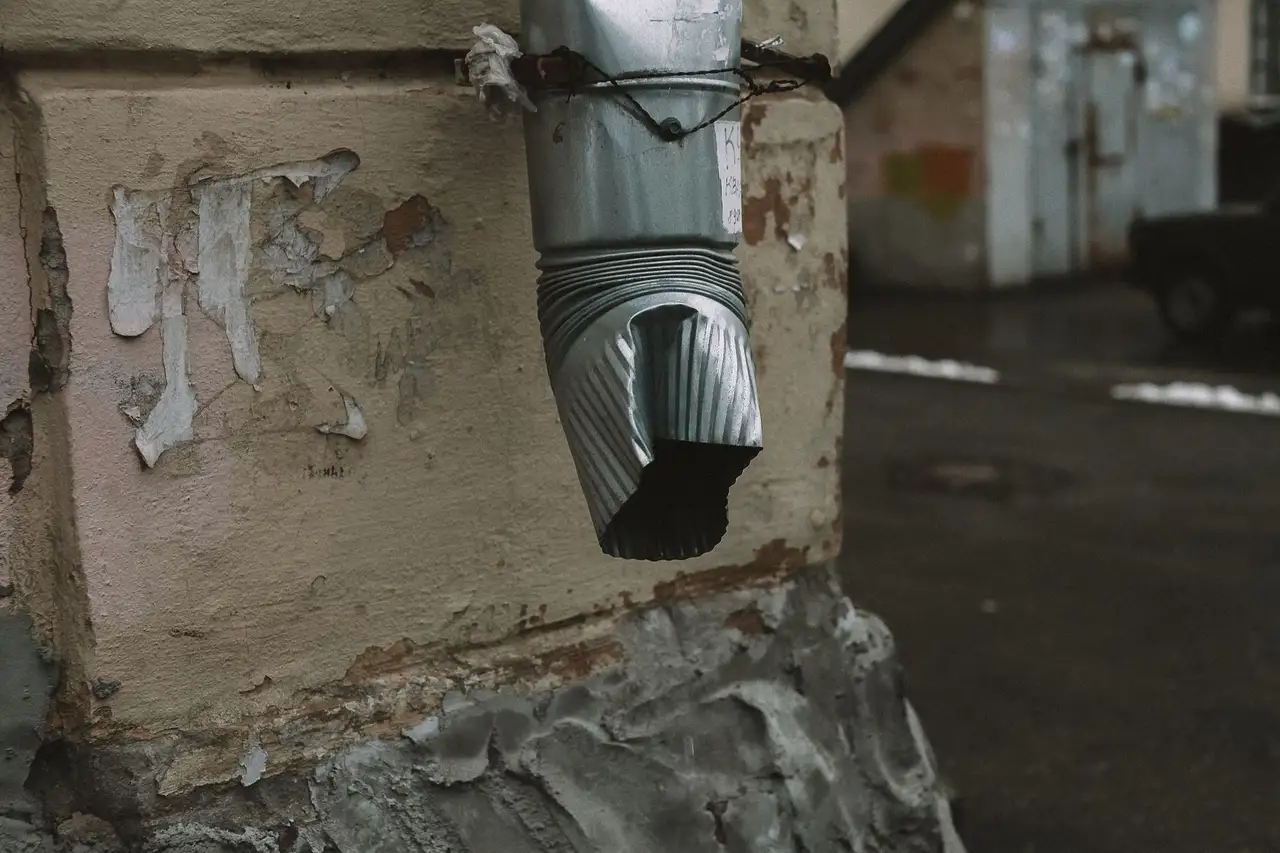
Forms 5 inch and 6 inch K-style aluminum into one-piece runs on site. Runs up to 60 feet come out without a single seam, which removes the joints that leak first.
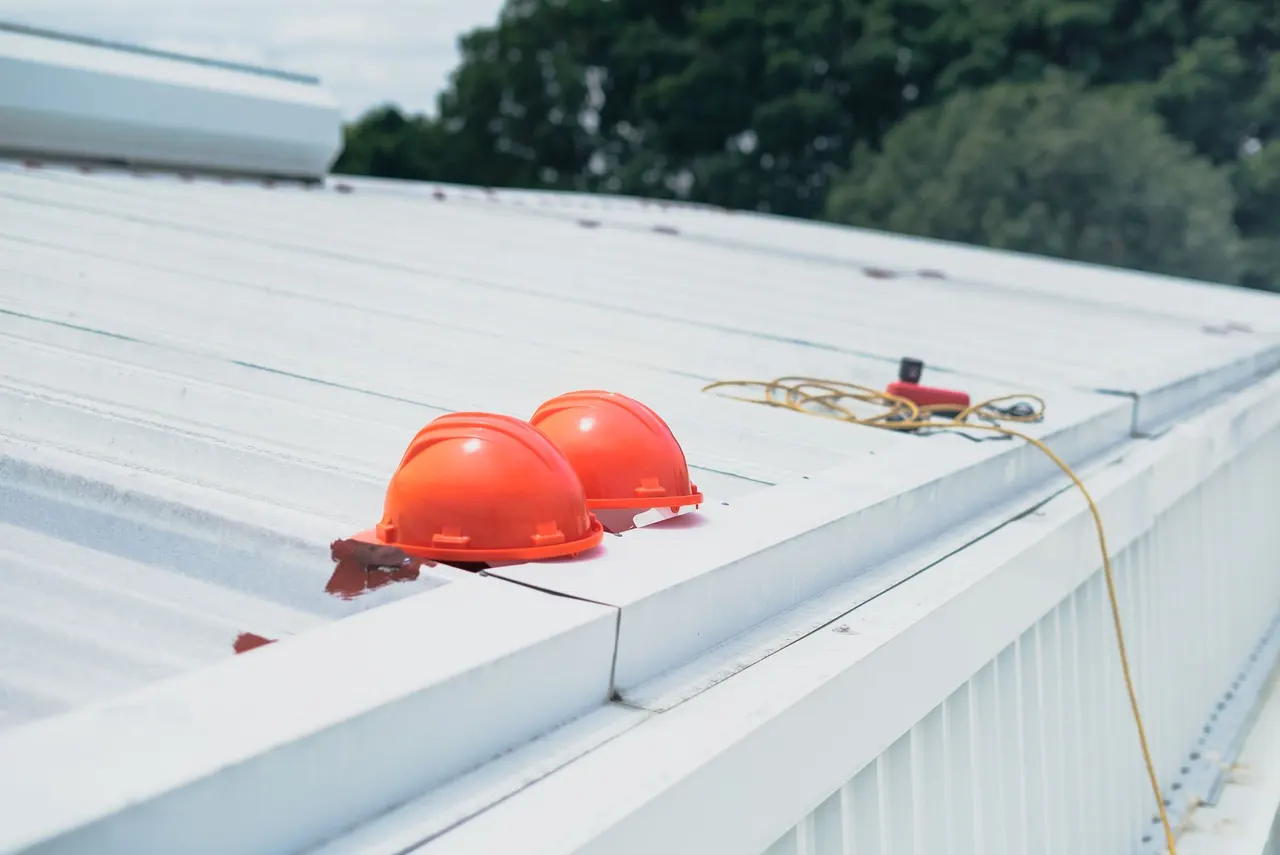
Gets our crew safely to the eave and roof edge. Every installer is OSHA safety certified and wears a harness when working above the first story.
Marks the pitch line before we hang anything. We set roughly 1/4 inch of fall per 10 feet, so water moves toward the downspout instead of pooling at the end cap.
Picks up screws, hanger clips, and aluminum chips from the driveway and lawn after the job. You should not find hardware in your grass a week later.
Clears pine straw, shingle grit, and debris from the roof and gutter line before we hang new runs. A clean roof surface means the water test reflects real flow.
Trims sealant, cuts old caulk lines, and pulls loose hangers or damaged fascia boards. Clean removal is what lets the new run sit flat against the house.
We form the gutter in your driveway rather than ordering 10-foot sections. That gives you one continuous run per side of the house, which eliminates the seams that leak first. It also lets us match the trim color exactly.
Every run gets a consistent fall toward the downspout. Too flat and water pools at the end cap; too steep and the downspout cannot keep up. We mark it with a chalk line and verify it during the water test.
We fasten hidden hangers every 24 inches with screws, not spikes. That spacing holds the pitch through freeze-thaw cycles and keeps the run from sagging under a full load of water or snow melt.
We run a hose down the roof and watch every joint, corner, and downspout. Any drip gets fixed on the spot. You see the system work before we pack up the machine.
We inspect the run, find the overflow point, and check the pitch and hanger spacing. If the gutter is sound, we re-pitch and reseal it. If the aluminum is cracked or undersized, we quote a seamless replacement. The fascia stays dry, the stain stops spreading, and the next storm drains where it should.
We measure the roofline, replace the failing runs with seamless aluminum, and confirm downspouts discharge away from the slab. We provide a written summary of the work for the closing file. The repair item clears, the closing stays on schedule, and the new owner starts with working gutters.
We document both the roof and gutter damage in one inspection, repair the shingles, and replace the dented runs. One crew, one mobilization, one set of photos for the insurance claim. The claim is straightforward, the roof and gutters match, and there is no second deductible conversation.
We install seamless gutters with leaf guards and 3x4 inch downspouts sized for the roof area. We show the homeowner how to check the system in under five minutes from the ground. Cleaning drops from monthly to twice a year, and the gutters keep draining through the fall leaf drop.
Huntsville gets about 48 inches of rain a year, and most of it arrives in spring downpours that dump 3 to 5 inches in a few hours. That is why we size gutters to the roof squares, not to a standard box. Homes under the pine and oak canopy in Pine Hill and Crabbs Prairie need leaf guards and 3x4 inch downspouts just to keep up with the debris load. Older homes near downtown often have 4 inch gutters that were never sized for a modern roof, so we replace them with 5 inch or 6 inch seamless runs. If you have been pricing gutter installation cost Huntsville TX, the honest answer is that the number depends on linear feet, stories, and how much fascia repair is hiding behind the old run. We measure all of it before we quote. For a seamless gutter installation in Huntsville Texas, we also check the drip edge and underlayment, because a gutter that catches water from a failing edge just moves the leak.
Heavy pine canopy means leaf guards and 3x4 inch downspouts are standard on most installs. Without them, a 5 inch run clogs in one season.
Larger lots and longer rooflines often need two downspouts per side. We size the runs to the actual roof area, not a per-house average.
Older homes frequently have 4 inch gutters and rotted fascia. We replace both, then hang new seamless runs into solid wood.
Rural properties here often need buried discharge to a pop-up emitter. We route downspouts away from the slab and the driveway.
Gutters must be sized for peak flow, not average rain. Undersized runs overflow at the corners and dump water at the foundation.
Leaf guards and 3x4 inch downspouts are the difference between a working system and a monthly ladder job. We install both on most tree-covered lots.
Runs need room to move at the end caps. We leave the correct gap and seal it, so the gutter does not buckle in July or leak in January.
Water trapped in a flat run freezes and pulls hangers loose. Our 1/4 inch per 10 feet pitch keeps the run draining so ice has nowhere to sit.
A 1950s home near downtown had original 4 inch gutters that overflowed in every spring storm. Water ran behind the fascia, rotted two boards, and stained the soffit. The homeowner was putting a bucket in the attic after each downpour.
We replaced the run with 6 inch seamless aluminum, replaced the two rotted fascia boards, and added a second downspout on the long side. A water test showed zero overflow at 4 inches per hour. The attic stayed dry through the next storm.
Maintenance: Check the downspouts twice a year and clear the leaf guards after the fall drop. With no trees directly overhead, an annual rinse is usually enough.
A Pine Hill home under heavy pines had gutters sagging 2 inches in the middle of the back run. Hangers were pulling out of soft fascia, and water was pooling at the foundation. The homeowner had already replaced two sections of landscaping.
We pulled the run, replaced three fascia boards, and hung new seamless aluminum with hidden hangers every 24 inches. We added leaf guards and 3x4 inch downspouts. The run held its pitch through a full season of pine straw.
Maintenance: Clear the leaf guards after the spring and fall drops. Check the hangers once a year and tighten any that have backed out.
A hail storm dented the front gutter run and knocked shingles loose on the same roof. The homeowner had a claim open but did not want two separate contractors and two mobilizations. One run had pulled loose from the fascia.
We documented the roof and gutter damage in one inspection, repaired the shingles, and replaced the dented run with seamless aluminum. The new gutter matched the trim color. The claim closed with one set of photos and one invoice.
Maintenance: After any hail event, check the gutters for dents and the roof for missing shingles. A quick look from the ground catches most damage before it becomes a leak.
Most gutter calls start with the same three complaints: water in the flower bed, stains on the fascia, or a run hanging off the house. Here is what causes each one and how we stop it.
Soil stays saturated, which puts pressure on the slab and can lead to cracks and interior moisture over two or three wet seasons. We re-pitch the run toward the downspout, add a downspout if the roof area is too large for one, and extend discharge 4 to 6 feet from the slab. A water test confirms the fix before we leave.
Overflow runs behind the fascia, rots the wood, and stains the soffit. It also dumps water at the foundation, which is the exact problem gutters exist to prevent. Usually the run is undersized or clogged. We clear the debris, check the pitch, and if the gutter is too small for the roof squares, we replace it with a 6 inch seamless run sized for the actual flow.
A sagging run holds water, which adds weight and pulls more hangers loose. Left alone, the gutter separates from the house and dumps everything at the foundation. We pull the run, inspect the fascia for rot, replace any soft boards, and re-hang with hidden hangers every 24 inches. If the aluminum is bent or cracked, we form a new seamless run on site.
A clogged downspout turns a working gutter into an overflowing one. Water backs up under the shingles and can find its way into the wall or attic. We install leaf guards on runs under trees and use 3x4 inch downspouts that resist bridging. For homes in Pine Hill and Crabbs Prairie, that combination cuts cleaning from monthly to twice a year.
Pro Roofing Huntsville has been on Walker County roofs since 2000. That is 26 years of watching how Texas weather treats a gutter system, and it shows in how we hang them. Our crews are OSHA safety certified, carry workers compensation insurance, and work under a Texas roofing license. We install gutters alongside asphalt shingles, standing seam metal, and tile roofs, so we know where the drip edge ends and the gutter has to pick up. We have handled everything from hail damage tear-offs to simple leaf guard retrofits.

Our old gutters were dumping water right at the slab every time it rained. Pro Roofing measured the whole roofline, showed me where the fascia had rotted, and hung new seamless runs in one day. They ran the downspouts out past the flower bed and water-tested everything before they left. Two storms later, the foundation is dry.
I had three companies quote the gutters and Pro Roofing was the only one that got on the roof. They found two loose hangers on the back run and priced the repair with the new install. Crew showed up at 7:30, formed the gutters in the driveway, and were cleaned up by 3. No mess, no screws in the grass.
After the hail storm, our gutters were dented and one run pulled loose. They handled the roof repair and the gutter replacement together, which saved us a second deductible conversation. The new runs match the trim color and the leaf guards have kept the pine straw out all spring. Straight answers the whole way.
Most single-story Huntsville homes run $1,200 to $2,800 for a full seamless gutter installation in 2026, depending on linear feet, stories, and downspout count. Two-story homes and long runs push toward the higher end. Leaf guards, fascia repair, and buried discharge are add-ons we price separately. You get the number in writing before we start.
We do. Pro Roofing Huntsville has installed gutters and roofing across Walker County since 2000. We form seamless aluminum on site and hang it with hidden hangers, so you are not getting boxed sections from a big-box store. Call us and we will measure your roofline the same week.
A typical single-story home takes 4 to 7 hours, start to finish. Two-story homes or jobs with fascia repair usually run a full day, sometimes into a second morning. We form the runs in your driveway, hang them, test with water, and clean up before we leave. You are not waiting a week for a return trip.
Yes, especially here. Seamless runs eliminate the joints that leak first, and they handle the pine straw and oak debris that clog sectional gutters every spring. The upfront cost runs 20 to 30 percent more than sectional, but you skip the recurring leak repairs. Most homeowners break even within three or four seasons.
Not seeing your question? Our local team can help you understand urgency, scheduling and what to expect.
Ask the local team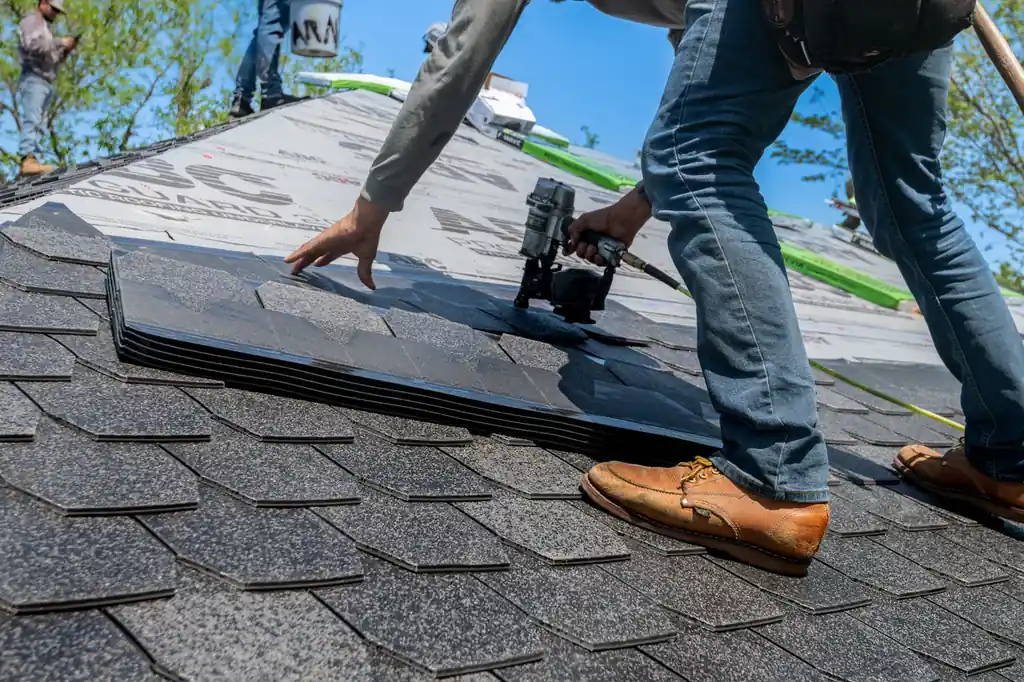
New roof installation and new gutters belong in the same conversation. We set the drip edge and underlayment so water sheds cleanly into the gutter line, not behind it. One crew, one mobilization, one warranty conversation for Huntsville homeowners.
View service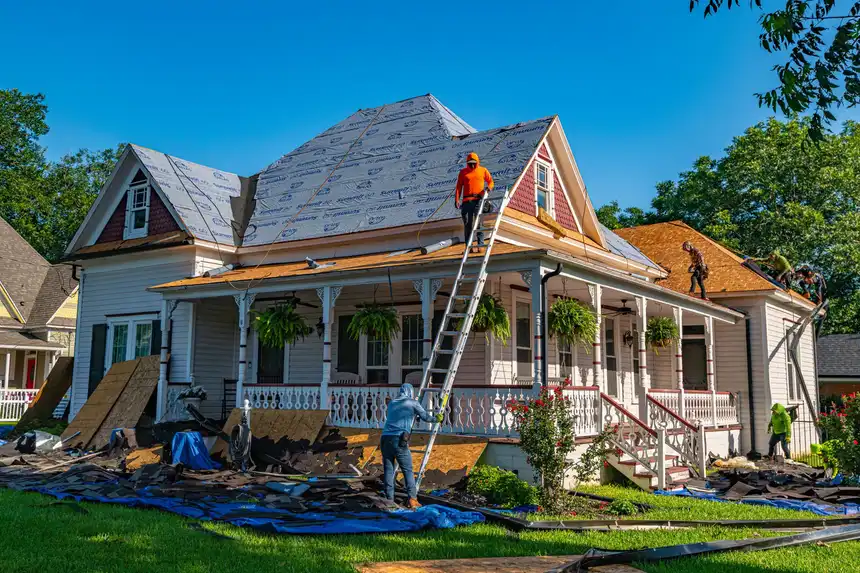
When we tear off old shingles, we inspect the fascia and gutter line while the roof is open. That is the cheapest moment to replace sagging gutters or rotted fascia boards. We quote both together so you are not paying for a second setup later.
View service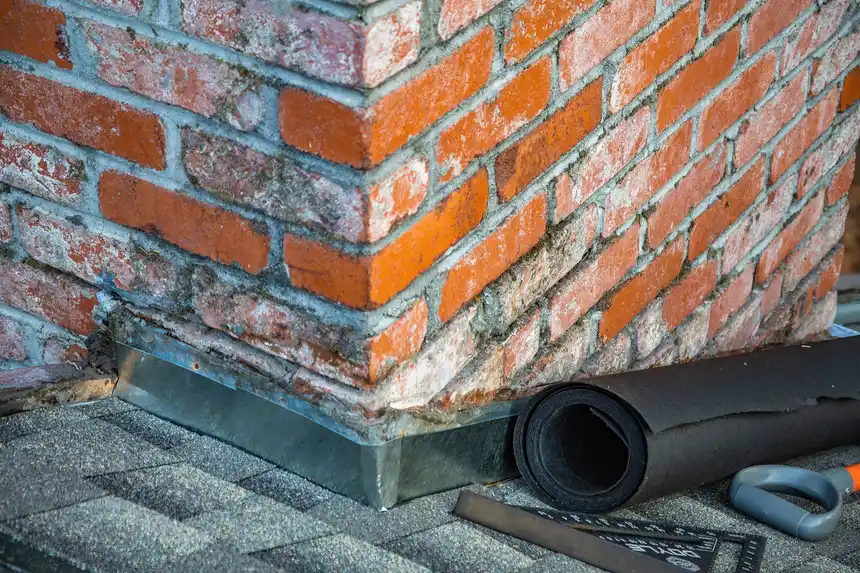
A leaky roof and a clogged gutter often look the same from the ground. We repair flashing, replace missing shingles, and confirm the gutter is draining before we call the job done. That stops the water from finding the same path twice.
View serviceOur inspection covers shingles, flashing, ridge vent, and the gutter system. We check pitch, hanger spacing, and downspout discharge. You get a written report with photos, so you know whether you need a repair or a full gutter replacement.
View service
Call us any time, day or night. Our office answers from 8 a.m. to 6 p.m. Monday through Friday, and the emergency line stays open around the clock for active leaks and storm damage. Most Huntsville inspections get scheduled within 48 hours, and emergency calls get a same-day tarp.