Focused arrival windows
Useful updates and clear arrival timing.

Flat Roofing in Huntsville means a low-slope roof that actually sheds water instead of ponding it. We install, repair and recoat TPO, EPDM, PVC and modified bitumen systems on homes, shops, carports and commercial buildings from 77340 out to 77320. If your flat roof is holding water, blistering, or leaking into the ceiling after a storm, we get eyes on it fast and give you a straight number before any work starts.
Useful updates and clear arrival timing.
Review the approach and price before deciding.
Equipped vehicles and respectful cleanup.
Neighbors serving neighbors with follow-through.
Every flat roof job we quote covers the full system, not just the membrane. That means drainage work, deck repair, flashing and cleanup are part of the number. Add-ons like skylights, roof coating or gutter replacement get priced separately so you can see exactly what you are paying for.
We walk the deck, check for soft spots, map ponding areas and photograph every issue. You get the photos and a written scope the same day, so there is no mystery about what needs fixing.
Drains, scuppers and gutters get cleared and, where needed, re-sloped or replaced. We add tapered insulation on dead-flat decks so water leaves the roof instead of sitting on it.
We install 60-mil TPO, EPDM, PVC or modified bitumen to manufacturer spec. Every seam is heat-welded or adhered and probe-tested, and we document the welds for the warranty file.
Curbs, pipe boots, scuppers and roof edges get new flashing and sealant. We also install drip edge so water sheds off the roof edge instead of wicking back under the membrane.
We hose-test or flood-test the finished roof, confirm the drains flow, then run a magnetic sweeper over the yard and driveway. You get a final walkthrough before we leave the property.
Share what is happening and receive a clear next step from the local team.
Flat Roofing in Huntsville is the trade of installing and maintaining low-slope roof systems that rely on membrane seams and positive drainage rather than gravity-fed shingle courses. On a true flat roof we build slope into the deck or use tapered insulation so water always moves toward a drain or scupper. Then we lay the membrane, heat-weld or adhere the seams, and seal every penetration, curb and flashing detail. Get those three things right and a flat roof lasts decades in Texas.
Most Huntsville flat roofs sit on additions, garages, shop buildings, carports and small commercial properties, and they fail for predictable reasons. Summer surface temps push 150 degrees, then a hailstorm cracks a seam open. Pine needles and leaf litter clog the drain, water ponds, and the membrane starts to blister. We see the same pattern every spring across Walker County, which is why we start every flat roof call with a drainage check before we ever quote a membrane.

We walk the roof, check the deck for soft spots, map the ponding areas, and pull a core sample if the membrane layers are unclear. You get photos of every problem area and a written scope the same day. Most inspections take 45 to 90 minutes depending on roof size and access.
Before any membrane goes down, we fix what caused the failure. That means clearing drains, replacing rotted decking, and adding tapered insulation where the roof is dead flat. Skipping this step is why so many flat roofs leak again within two years.
We install the specified system, whether that is a 60-mil TPO membrane, EPDM, PVC or a modified bitumen cap sheet. Seams are heat-welded or adhered per manufacturer spec, and we probe-test every weld. A typical residential flat roof takes one to three days.
This is where flat roofs live or die. We detail every curb, pipe boot, scupper, edge metal and penetration with the correct flashing and sealant. We also install new drip edge and, where needed, a ridge vent or powered vent to keep attic moisture down.
We flood-test or hose-test the roof, watch the drains, and confirm no water is standing after 24 hours. Then we run a magnetic sweeper across the yard and driveway to catch nails. You get a final walkthrough and photos of the finished system.
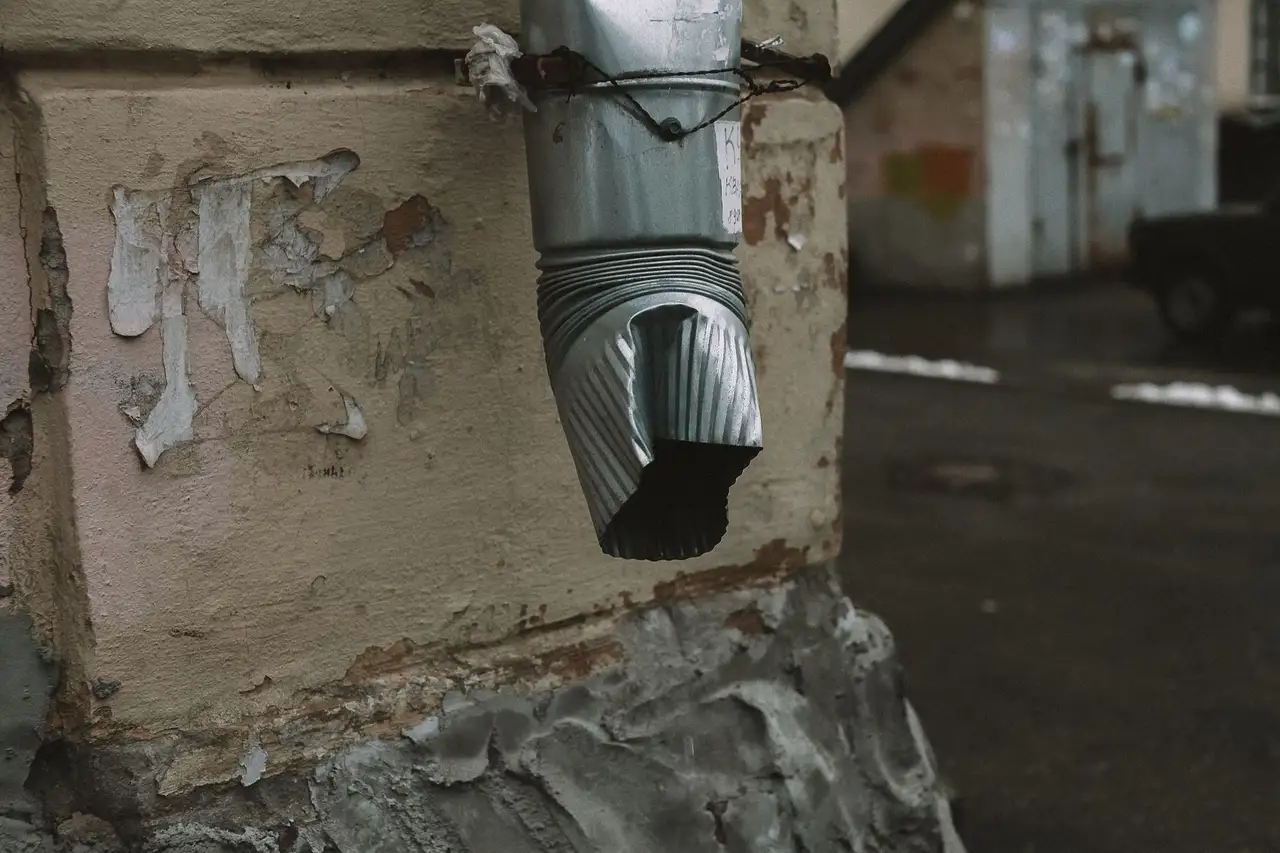
Fuses TPO and PVC membrane seams into a single continuous sheet. We probe-test every weld before the job is signed off.
Finds trapped moisture under the membrane so we know whether to patch or replace a section. It keeps us from welding over a wet deck.
Fastens insulation board, cover board and edge metal. We set fasteners to spec so they do not telegraph through the membrane.
Removes old flashing, edge metal and membrane during tear-off and detail work without damaging the surrounding roof.
Lays out membrane cuts and seam overlaps accurately. Clean, straight cuts are what make a weld hold.
Keeps our crew tied off on steep transitions and safe on ladder access. OSHA compliance is not optional on any roof.
Clears nails from the yard and debris off the roof before and after the job. Cleanup is part of the work, not an afterthought.
We build slope into the deck or add tapered insulation so water reaches a drain or scupper within 48 hours of a hard rain. This is the single most important step on any flat roof and the one most crews skip.
TPO and PVC seams are heat-welded, then probed with a rounded tool to confirm the weld is continuous. Any seam that fails the probe gets re-welded before we move on.
We install Firestone, Carlisle SynTec and Versico systems to the letter of the published spec. That is what keeps the membrane warranty valid if you ever need to file a claim.
On older roofs we pull a small core to see how many layers are up there and what condition the insulation is in. It tells us whether a recoat will work or a tear-off is the honest answer.
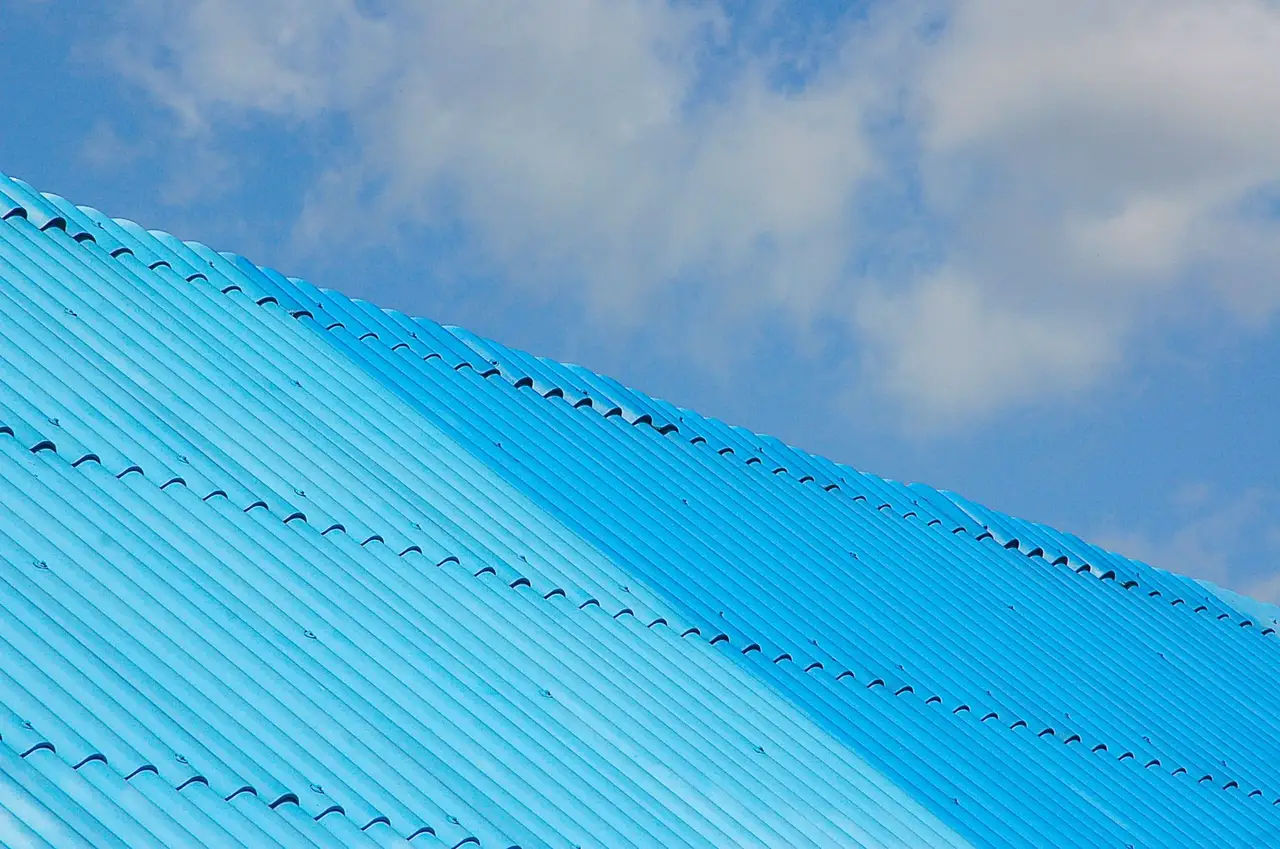
We inspect the membrane, find the entry point and repair the failed seam or flashing. If the deck is soft, we replace that section of sheathing before welding in new membrane. A dry building, a documented repair and a roof that is ready for the next storm season instead of limping through it.
We install a heavier TPO or PVC membrane with walkway pads around the units, then re-flash every curb and penetration. Grease-prone areas get PVC instead of TPO. A membrane that stands up to service techs and kitchen exhaust, with a warranty that survives the next inspection.
We perform a full inspection, core-sample the membrane layers if needed, and issue a roof certification stating the remaining service life and any immediate repairs. A clean document for the lender and buyer, and a clear list of what needs attention now versus later.
We clean the membrane, repair any minor seams, and apply a silicone or acrylic roof coating built for high UV exposure. Lower cooling load inside the building and several more years of life out of a roof that did not need replacing yet.
Huntsville sits in Walker County where summer roof surface temperatures push 150 degrees and spring storms drop 2 inches of rain in an hour. Flat roofs here have to handle both, which is why we spec white, heat-reflective TPO on most buildings and pay close attention to drain sizing. The building stock matters too. A lot of Huntsville flat roofs sit on older garages, shop buildings and small commercial properties with 2x8 or 2x10 decking that has seen decades of Texas weather. When we pull a core sample and find three layers of old membrane, we tell you straight that a tear-off is cheaper long-term than stacking a fourth. We also work around the local inspection requirements for commercial roofing in Walker County, and we keep the paperwork ready for your permit file. If you are pricing flat roof cost Huntsville TX, the honest answer depends on deck condition and drainage, not just square footage.
Older commercial buildings with flat roofs that often carry multiple membrane layers. Core sampling is standard before we quote a recoat.
Rural properties with large shop buildings and carports. Drainage design matters more here because there is no municipal storm system to fall back on.
Residential additions and garages with low-slope roofs. Pine needles are the main drain-clogging culprit every spring.
Mixed residential and agricultural buildings where modified bitumen and TPO both show up. Hail exposure is high on these open lots.
Outlying properties where we bring full material loads on the truck so a repair does not turn into a second trip.
UV and heat break down membrane and seam adhesive faster than in cooler climates. White TPO and periodic recoating are the practical defense.
Hail cracks membrane and wind lifts edge metal. We document damage for insurance and repair the system so the warranty stays valid.
A 2-inch-per-hour rain exposes undersized drains immediately. We size drains and scuppers for real storm flow, not average rainfall.
Debris clogs drains and scuppers within weeks. Twice-a-year maintenance is the cheapest insurance a flat roof owner can buy.
A 3,000-square-foot shop building in Crabbs Prairie had water standing in the middle of the roof after every rain. The original deck was dead flat, the drain was undersized, and the membrane had started to blister around the edges.
We added tapered insulation to create positive slope, upsized the drain, and installed a new 60-mil TPO membrane. A hose test after completion showed the roof fully drained in under 30 minutes. No ponding since.
Maintenance: Clear the drain strainer every spring and fall, and keep the area around the drain free of leaf litter. We recommend a full inspection every 24 months.
A homeowner in Huntsville 77340 had a ceiling stain in the garage that kept coming back after every storm. Two previous contractors had patched the membrane where the stain was, but the leak kept returning within weeks.
We traced the leak to a cracked pipe boot 12 feet away from the stain. New boot, new flashing, and a water test confirmed the leak was gone. Total repair time was about 4 hours and the ceiling stayed dry through the next storm season.
Maintenance: Check pipe boots and curb flashing once a year. A cracked boot costs a few dollars to replace and thousands to ignore.
A Huntsville restaurant had a sound but faded TPO roof that was driving up cooling costs. The membrane was intact but the white surface had chalked and lost reflectivity after years of Texas sun.
We cleaned the membrane, repaired two minor seams, and applied a silicone roof coating rated for high UV. The building's summer cooling load dropped noticeably and the roof got several more years of service before replacement.
Maintenance: Recoating every 5 to 7 years keeps reflectivity up. We inspect the coating at each service and touch up any thin spots.
Flat roofs fail in a handful of predictable ways, and every one of them gets worse with time. Here is what we see most often on Huntsville properties and how we handle it.
Standing water breaks down seams, grows algae and adds weight the deck was never designed to carry. Left alone, it turns a repairable roof into a full tear-off within a few seasons. We correct the slope with tapered insulation, resize or add drains, and re-weld any seam the standing water has already compromised. Most ponding fixes are done in one to two days.
Blisters mean moisture is trapped under the membrane and the bond is gone. Once a blister cracks, water goes straight into the deck and the leak shows up on your ceiling. We cut out the blistered section, dry the deck, and weld in a new membrane patch with a proper overlap. Small blisters get repaired the same day; large areas get a full section replacement.
Pine needles and leaf litter block the drain, and the roof becomes a shallow pond. That is the number one cause of flat roof leaks we see across Walker County every spring. We clear every drain and scupper, check the strainer, and set you up on a twice-a-year maintenance schedule so it does not happen again. Drain clearing is quick and cheap compared to a leak repair.
Flashing failure is the most common leak source on flat roofs. A cracked pipe boot or lifted curb flashing lets water in at the exact spot where the roof has the least protection. We remove the old flashing, clean and prep the substrate, and install new boots and curb flashing sealed to manufacturer spec. This is usually a half-day repair with a same-day water test.

Pro Roofing Huntsville has been on roofs since 2000, which means 26 years of Texas heat, hail and hurricane-remnant storms. Our crews are trained on single-ply membrane systems from Firestone, Carlisle SynTec and Versico, and we install GAF and Owens Corning products on the steep-slope side of the business. We carry manufacturer certifications, workers compensation insurance and OSHA safety certification, and we are an NRCA member. That matters when a membrane warranty claim needs to be filed correctly the first time.
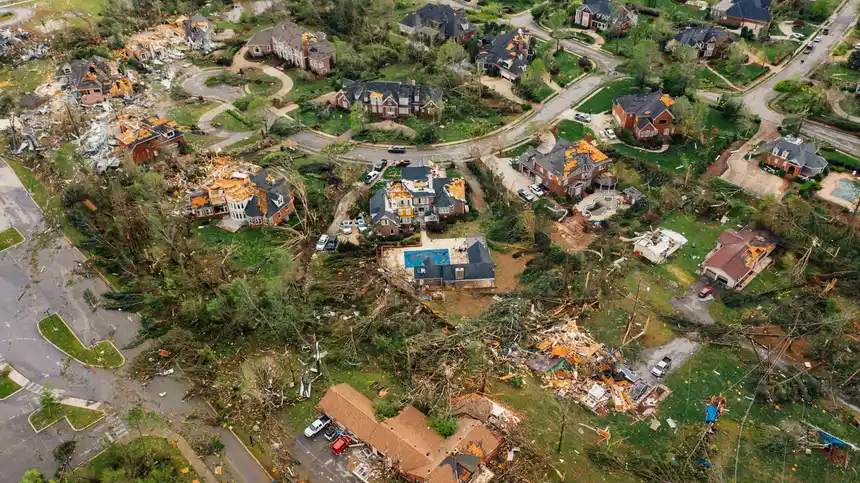
Had a 3,000-square-foot shop building with water ponding in the middle every time it rained. Pro Roofing Huntsville added tapered insulation and a new TPO membrane, and it has not held water since. They showed me the drain flow with a hose before they packed up. That sold me.
Our garage flat roof was leaking into the wall after every storm. They found the actual leak at a pipe boot, not where the stain was, and fixed it in one afternoon. Cost was right at what they quoted. I have already sent two neighbors their way.
Grease from our kitchen hood had eaten through the old membrane. They installed PVC membrane over the kitchen area and TPO on the rest, which nobody else even suggested. Two years in, no leaks and the roof still looks new. Solid crew.
Most residential flat roofs in Huntsville run $5.50 to $9.50 per square foot installed in 2026, so a 1,000-square-foot roof lands between $5,500 and $9,500. Commercial TPO systems on larger decks often come in lower per square foot because the crew can work faster. Repairs are far cheaper, usually $450 to $1,800 depending on how much membrane has to be cut out.
Pro Roofing Huntsville installs TPO, EPDM, PVC and modified bitumen flat roof systems across Huntsville and Walker County. We have been on roofs since 2000 and carry manufacturer certifications for Firestone, Carlisle SynTec and Versico single-ply membranes. Call 766837673 and we will get a crew out to look at your roof, usually the same day.
A properly installed 60-mil TPO or EPDM membrane lasts 18 to 25 years in this climate if the drains stay clear. Modified bitumen typically gives 12 to 18 years. The two things that kill flat roofs here are ponding water and UV exposure, so recoating every 5 to 7 years and clearing pine needles each spring adds years to the system.
For most Huntsville buildings, 60-mil TPO is the best balance of cost, heat reflectivity and weld strength. EPDM is a solid budget option and handles UV well. PVC performs best on restaurants and buildings with grease discharge. On smaller residential additions, modified bitumen still makes sense because it is easy to repair and walk on.
Not seeing your question? Our local team can help you understand urgency, scheduling and what to expect.
Ask the local team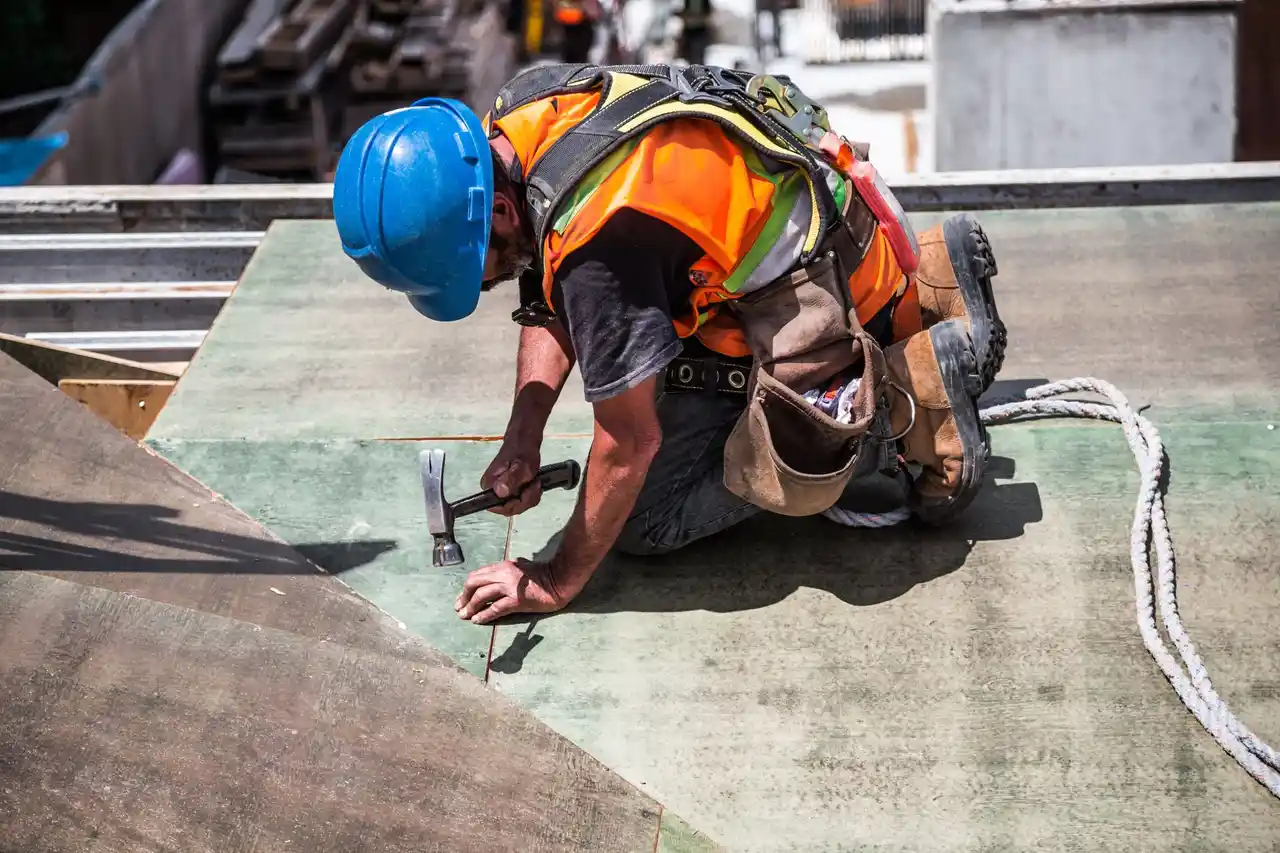
New construction and additions across Huntsville often need a flat roof installed from the deck up. We build the slope, set the insulation and weld the membrane so the system drains correctly from day one.
View service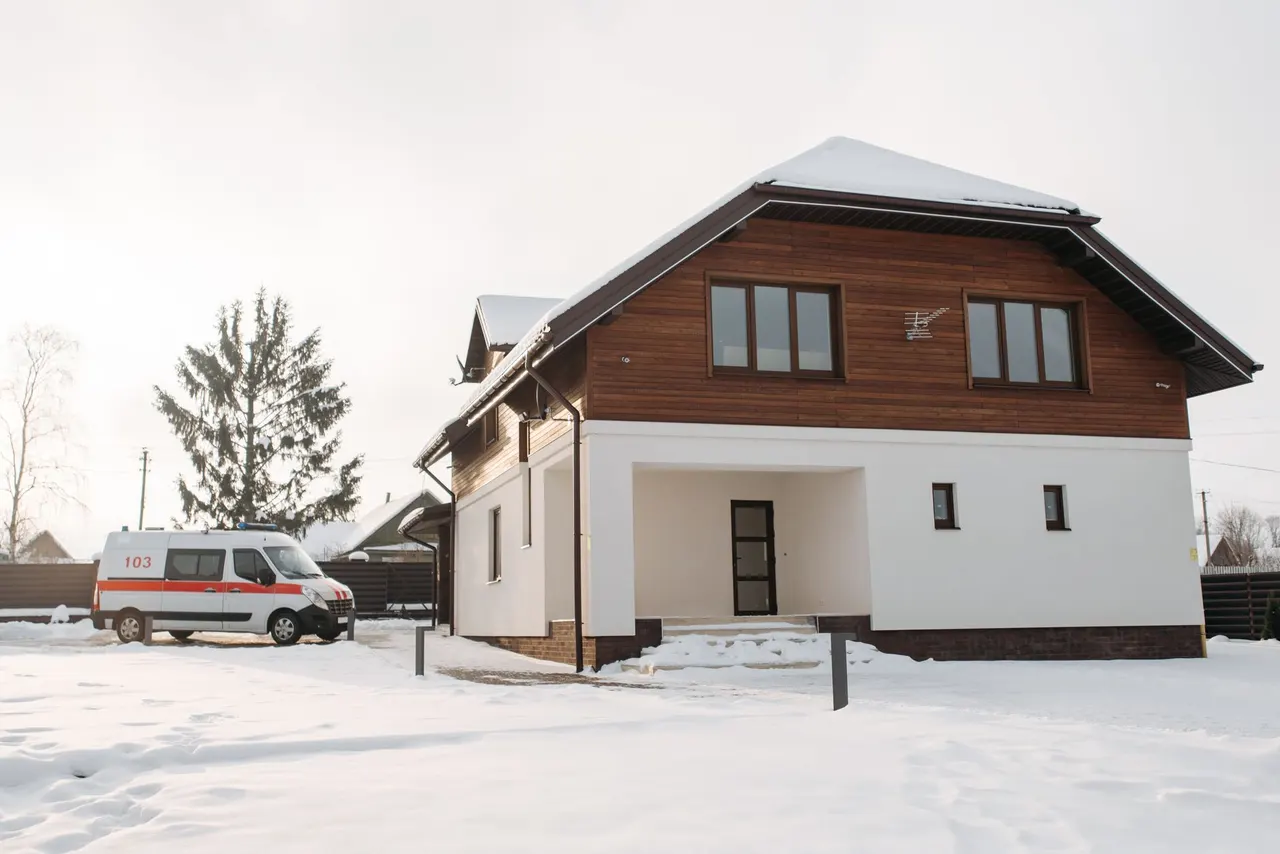
When a flat roof has more patches than membrane, replacement beats repair. We tear off to the deck, replace rotted sheathing and install a new single-ply system with a fresh manufacturer warranty.
View service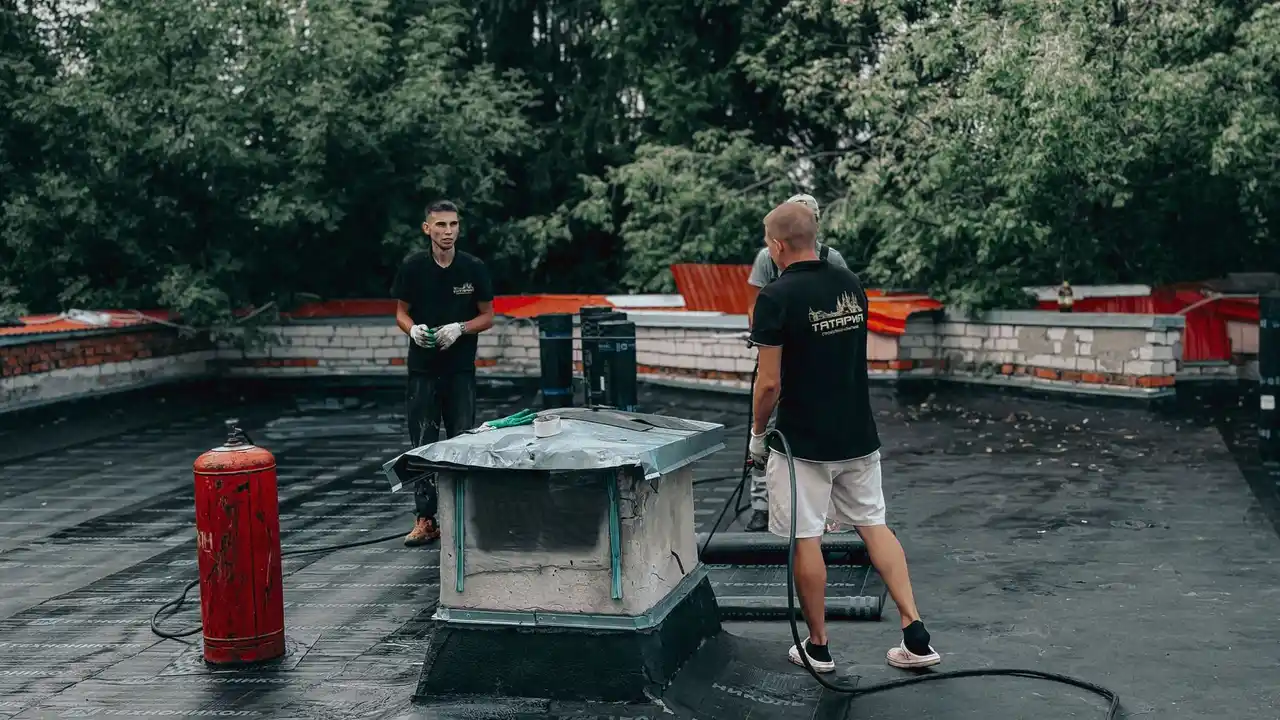
Blistered seams, punctures from HVAC techs and hail-cracked membrane all get cut out and re-welded. Most flat roof repairs in Huntsville are finished in a single day with no interior disruption.
View serviceA flat roof inspection covers membrane condition, seam integrity, drain flow and flashing details. We photograph every issue and give you a written report you can use for insurance or a real estate closing.
View serviceCall us any time, day or night. Our office answers from 8 a.m. to 6 p.m. Monday through Friday, and the emergency line stays open around the clock for active leaks and storm damage. Most Huntsville inspections get scheduled within 48 hours, and emergency calls get a same-day tarp.