Focused arrival windows
Useful updates and clear arrival timing.
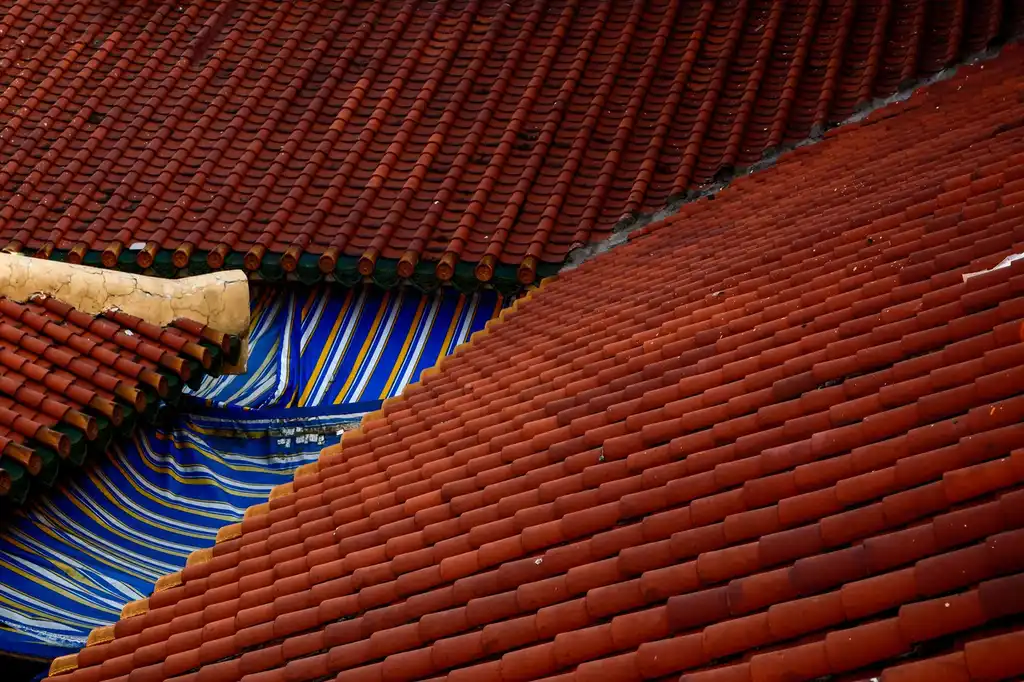
Roof Coating Huntsville TX is a seamless, reflective membrane sprayed or rolled over your existing flat roof to seal seams, stop ponding-water leaks, and drop attic heat. We coat TPO, EPDM, modified bitumen, and metal roofs for homeowners, churches, and warehouses from 77340 to 77343. If your roof is 8 to 20 years old and still structurally sound, a coating costs a fraction of tear-off and buys you another decade of service.
Useful updates and clear arrival timing.
Review the approach and price before deciding.
Equipped vehicles and respectful cleanup.
Neighbors serving neighbors with follow-through.
Every coating job we sell includes the prep, materials, and documentation that make the warranty worth something. Here is what you get, and what we quote separately if your roof needs it.
We inspect decking, seams, flashing, drains, and ponding before we quote. If the roof is not a coating candidate, we say so and quote the alternative. You get photos of everything we find, not just a verbal summary.
The roof gets power-washed, scraped, and dried. Blisters get cut out, loose granules removed, and the surface primed where the manufacturer requires it. Prep is the difference between a coating that lasts 12 years and one that peels in two.
Every lap, vent, drain, HVAC curb, and skylight gets polyester fabric embedded in modified bitumen or butyl. This is where flat roof leaks start, so we treat each penetration as its own small repair before the coating goes on.
We apply a base coat and a finish coat to reach 20 to 30 mils dry film thickness, verified with a gauge. Silicone, elastomeric, or acrylic systems are matched to your substrate and budget. Cure time between coats is built into the schedule.
After coating, we wet-test every drain and check that vents and curbs are sealed and clear. Standing water is the enemy of any flat roof, so we make sure water leaves the roof the way it should before we call the job complete.
You get the manufacturer warranty registration, our workmanship paperwork, and photos of the finished roof. If you ever sell the house, that documentation is what proves the roof has remaining life and a valid coating warranty.
Share what is happening and receive a clear next step from the local team.
Roof Coating Huntsville TX is a liquid-applied or fabric-reinforced membrane system that bonds directly to your existing roof surface and cures into a single, seamless rubber-like skin. Instead of tearing off a flat roof and hauling it to the landfill, we clean the substrate, prime it, seal every seam and penetration with modified bitumen or butyl tape, then roll or spray two coats of elastomeric or silicone coating at 20 to 30 mils dry film thickness. The result is a monolithic surface with no laps for water to find.
Huntsville roofs take a beating. Summer surface temps on a dark modified bitumen roof hit 160 to 180 degrees, and the freeze-thaw cycles we get in Walker County work seams loose year after year. Add pine needles from the surrounding timber and hail from spring storms, and a flat roof that was fine at year five starts ponding water at year twelve. That is exactly when a roof coating service Huntsville homeowners call us about makes financial sense: you are not replacing the roof, you are rebuilding its waterproof skin.
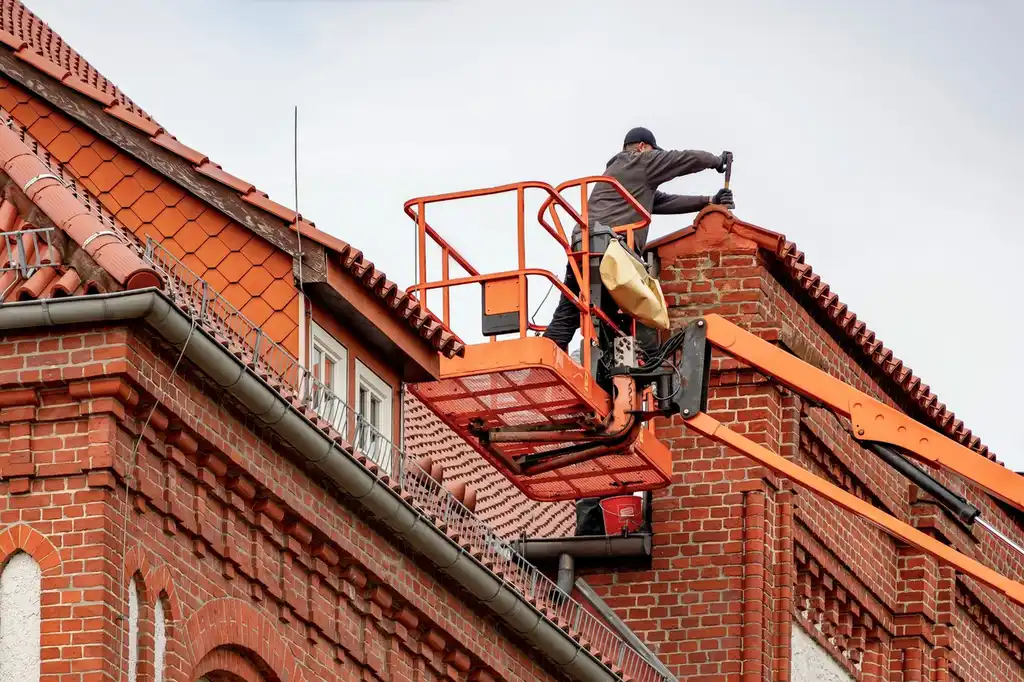
We walk the roof, check for soft decking, active leaks, flashing failure, and ponding. If the substrate is too far gone for a coating to make sense, we tell you straight and quote the replacement instead. You get a written scope and price the same day, usually within 24 hours of your call.
This is 60 percent of the job. We power-wash the roof, scrape loose granules, cut out blisters, and let it dry. A leaf blower clears pine needles and debris, then a magnetic sweeper pulls nails and screws so nothing punctures the new membrane. Skipping prep is why cheap coatings peel in two years.
Every lap, vent, drain, and HVAC curb gets reinforced with polyester fabric embedded in modified bitumen or butyl. Flashing failure is where 80 percent of flat roof leaks start, so we treat each penetration like it is the only one. This step takes most of day two.
We apply the base coat at 10 to 15 mils, let it cure, then the finish coat to reach 20 to 30 mils dry film. Silicone and elastomeric systems go on with rollers or a spray rig depending on roof size and access. A typical 2,000 square foot roof takes two to three days including cure time between coats.
We wet-test drains, check film thickness with a gauge, photograph every seam, and walk the roof with you. You get the manufacturer warranty registration and our workmanship paperwork before we pull the ladder. If anything reads thin, we recoat it before we call the job done.
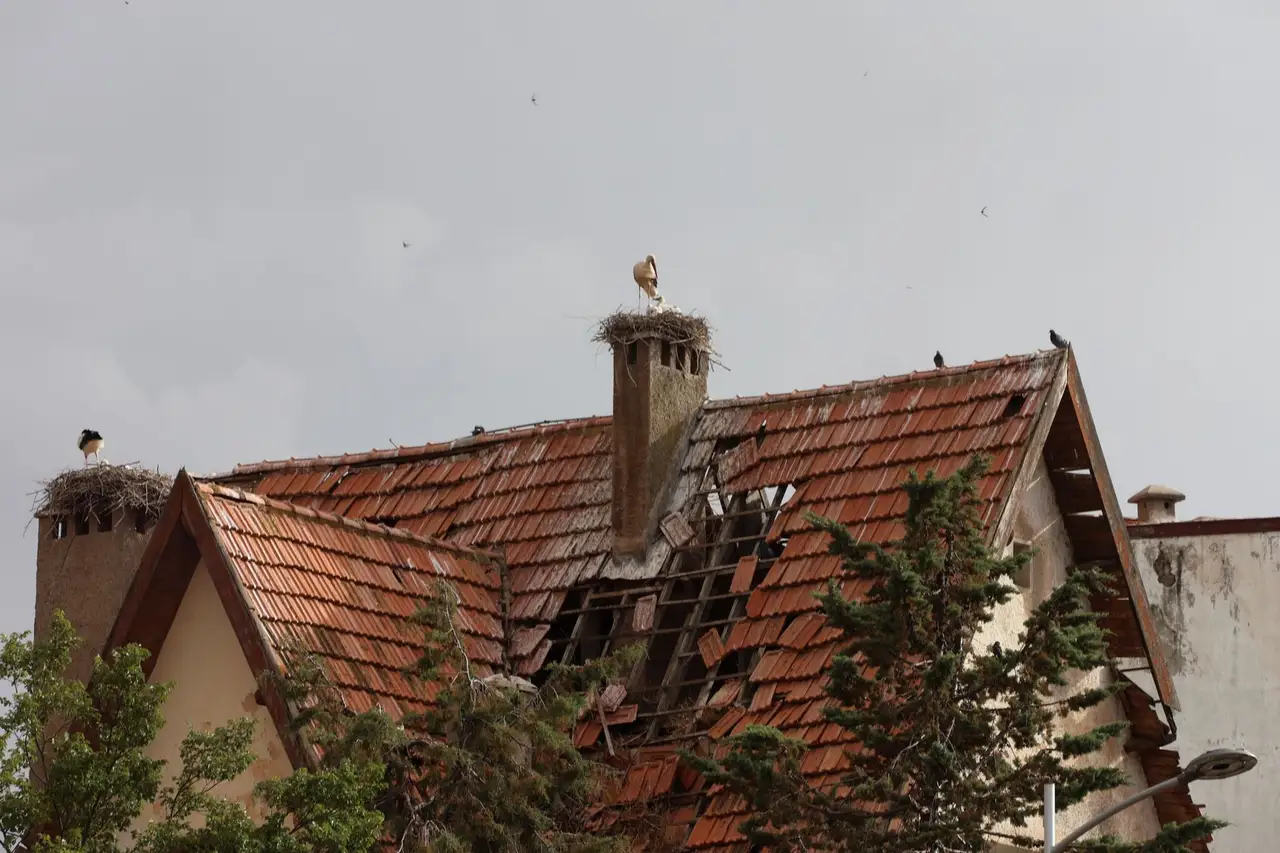
Safe access and fall protection on every roof, required by OSHA. We do not send anyone up without a harness, even on a low-slope roof.
Removes dirt, chalk, and loose granules so the coating bonds to the substrate instead of to a layer of grime. Prep starts here.
Clears pine needles, debris, and stray fasteners after prep. A single screw left on the roof can puncture the new membrane from underneath.
Cuts out blisters, trims lifted seams, and removes failed flashing so the repair starts from sound material.
Layout and fastening for any decking repairs or edge metal work that has to happen before coating.
Used when a coating job uncovers damaged shingles or underlayment on adjoining pitched sections that need repair in the same visit.
Verifies coating thickness and checks for trapped moisture in the deck before we seal it under a new membrane.
Polyester fabric embedded in modified bitumen or butyl over every lap, vent, and curb. This is the standard for commercial flat roof repair and the reason our coatings do not fail at the seams.
A base coat and finish coat applied to 20 to 30 mils dry film. Silicone cures to a rubbery, UV-stable membrane that handles ponding water better than acrylic or asphalt-based coatings.
A reflective, water-based coating used on metal and some modified bitumen roofs where budget matters. It reflects UV, seals minor cracks, and cures fast, but it is not the right choice for roofs that pond.
We follow Firestone, Carlisle SynTec, and Versico application specs on every job, including surface prep, primer, and film thickness. That compliance is what makes the manufacturer warranty valid.
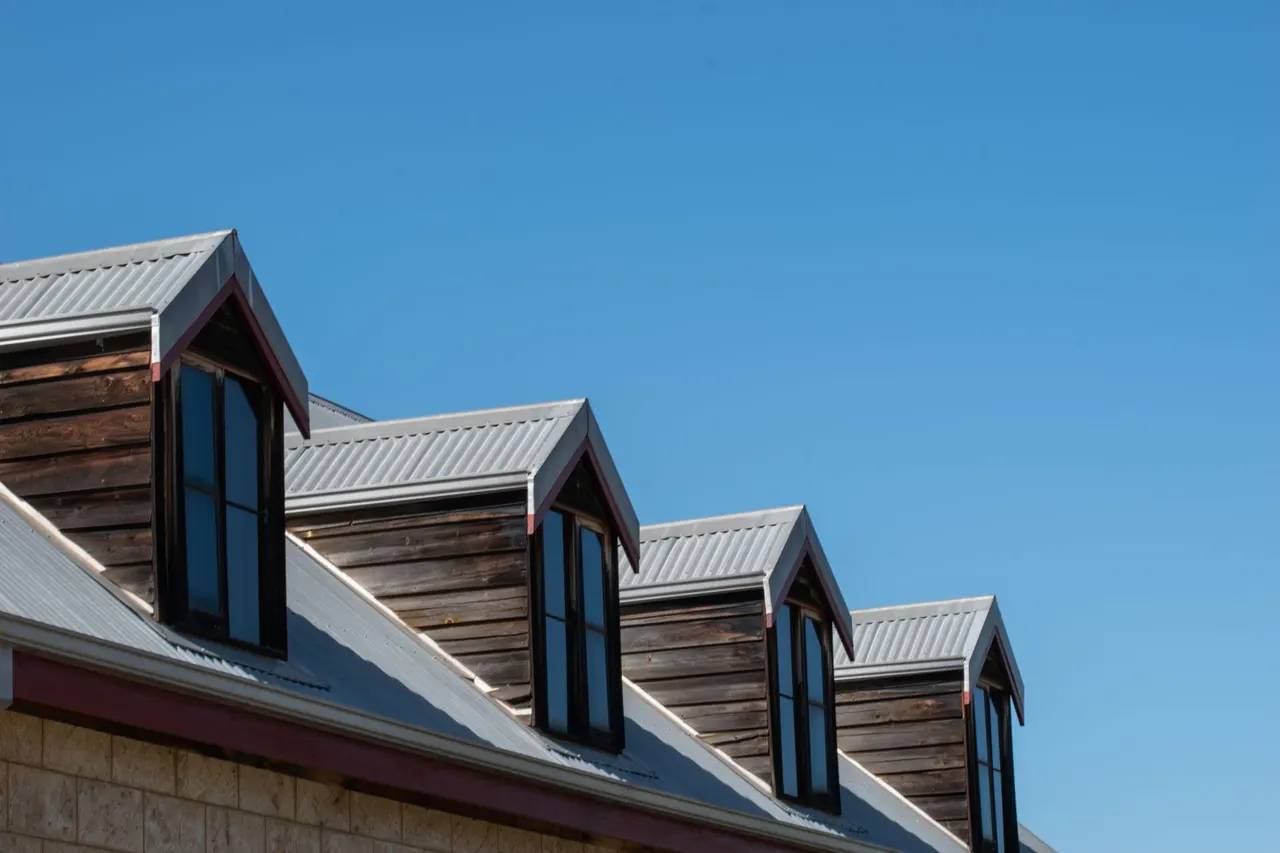
We repair the open seams, reinforce the flashing, and apply a silicone coating over the entire roof. The building stays open during the work, and we phase it so no section is left exposed overnight. The owner avoids a $25,000 tear-off, gets a 15-year warranted surface, and the tenants stop calling about ceiling stains.
We clear the drain, build up the low spot with coating, seal the flashing at the wall, and coat the whole porch roof. The job takes two days and costs a fraction of replacement. No more drips in the garage, and the porch roof is good for another decade. The homeowner budgets the eventual replacement on their own timeline.
We replace the fasteners, treat the rust spots, seal the laps, and coat the corrugated metal panels with a reflective coating. The coating restores reflectivity and seals every penetration. The shop stays dry, the interior stays cooler in summer, and the owner gets another 15 years out of a building he thought needed a new roof.
We re-secure the perimeter, reinforce the edges with fabric and coating, and apply a compatible coating over the whole EPDM surface to stop the shrinkage and add UV protection. The perimeter leaks stop, the roof stops shrinking, and the congregation avoids a capital campaign for a full replacement.
Huntsville sits in a pocket of East Texas where the summer heat is brutal, the spring storms are violent, and the pine trees drop needles on every roof in town. That combination is hard on flat roofs. Surface temps on a dark modified bitumen roof hit 160 to 180 degrees in July, then swing 60 degrees overnight in winter, and that expansion and contraction is what opens seams. Add hail from spring storms and the freeze events we get every few years, and a flat roof that was fine at year five is ponding water by year twelve. Most of the flat roofs we coat are on older homes near downtown, churches, and metal shop buildings out toward Dodge and Bath. We schedule coating work in spring and fall when the surface is dry and the cure window is predictable, though we run emergency repairs year-round. If you are asking how much for roof coating in Huntsville, the honest answer depends on square footage and substrate, but most residential jobs land between $2,000 and $5,500 in 2026.
Older commercial and residential flat roofs, many with modified bitumen that is a strong coating candidate if the deck is solid.
Mix of rural homes and outbuildings with low-slope porch and shop roofs that pond water and need drainage correction before coating.
Heavy pine cover means needles clog drains and gutters fast; we clear them as part of every coating job here.
Rural properties where we plan water access and staging ahead of time so the crew can prep and coat without delays.
Metal shop and barn roofs with rusted fasteners; we replace fasteners and treat rust before coating the panels.
Accelerates UV damage and chalking on modified bitumen, which is why reflective coatings pay for themselves faster here than in cooler climates.
Bruises aged membranes and lifts seams. We inspect for storm damage before coating so we are not sealing over a cracked substrate.
Clogs drains and holds moisture against the roof surface. Clearing debris is part of every prep job in Huntsville.
Opens seams and flashing joints. We reinforce every seam with fabric so the coating can flex through the swing instead of cracking.
A 3,000 square foot modified bitumen roof on a downtown Huntsville retail building was leaking at four seams and ponding near two drains. The owner had patched it twice and was quoted $28,000 for a full tear-off and replacement.
We repaired the seams, cleared the drains, built up the low spots, and applied a two-coat silicone system at 25 mils. Total cost was $9,400. The roof has been leak-free for two years and the summer cooling bill dropped about 15 percent.
Maintenance: We clear the drains and inspect seams each spring. Silicone coatings should be washed once a year to keep reflectivity high, and any debris that holds water needs to come off before it sits.
A homeowner in Pine Hill had a 600 square foot flat porch roof that ponded water and dripped into the garage every time it rained. The deck was solid but the surface was chalking and the flashing at the house wall had pulled loose.
We cleared the drain, reinforced the wall flashing, built up the low spot, and coated the roof with an elastomeric system at 22 mils. The job took two days and cost $2,300. No drips in the garage since, and the surface is bright white instead of gray.
Maintenance: Annual drain clearing and a visual check of the wall flashing. Pine needles are the main threat here, so a quick blow-off each fall keeps the drain open.
A 2,400 square foot corrugated metal shop building near Dodge had rusted fasteners, leaks at the laps, and a chalky, faded finish after 20 years in the sun. The owner assumed he needed a new metal roof.
We replaced 180 fasteners, treated the rust spots, sealed the laps, and coated the panels with a reflective metal coating. Cost was $6,800 versus $22,000 for new metal. The shop stays dry and runs noticeably cooler in summer.
Maintenance: Check fasteners and lap seals each spring, and wash the roof once a year to keep the reflective finish working. Any new rust spot should be treated before it spreads under the coating.
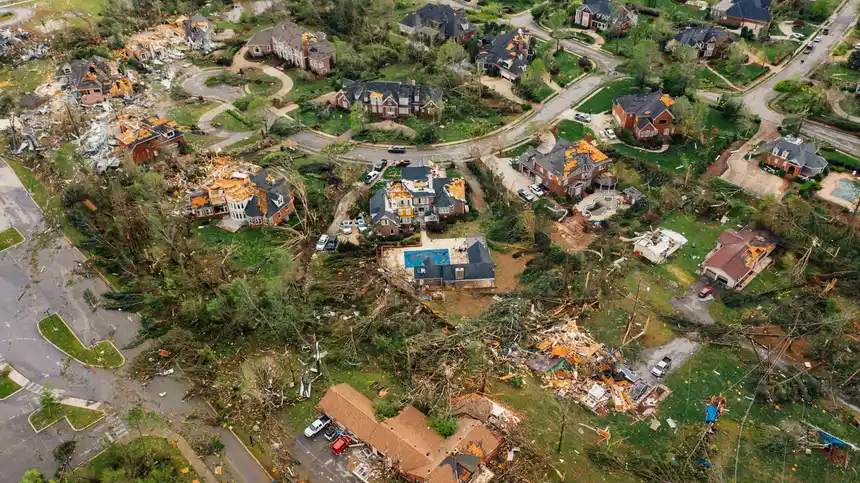
Most flat roofs in Huntsville fail the same way: seams open, water ponds, and the surface cooks under the Texas sun. A coating addresses all three at once, but only if the underlying problem is handled first.
Standing water finds every seam and pinhole, and over a season it turns a small leak into rotted decking and stained ceilings. It also voids most manufacturer warranties because the membrane stays submerged. We build up extra coating mils in the low spots, verify drains are clear, and seal the seams around them. The water still drains, but the surface underneath is now a thick silicone membrane that shrugs off standing water instead of absorbing it.
Lap seams on modified bitumen open as the material expands and contracts through Texas freeze-thaw cycles. Once a seam lifts, wind gets under it and peels the whole sheet back in a storm. We cut back the lifted seam, embed polyester fabric in modified bitumen, and coat the entire roof surface so there are no exposed laps left. The coating turns dozens of individual seams into one continuous membrane.
Granules wear off modified bitumen after 10 to 15 years, leaving the asphalt exposed to UV. The surface chalks, cracks, and loses its waterproofing long before the deck is bad. A reflective cool roof coating Huntsville system blocks UV before it reaches the asphalt. We coat the whole surface, restoring reflectivity and adding 10 to 15 years of life to a roof that was starting to fail.
Vents, HVAC curbs, and skylights are where most flat roof leaks start. The flashing pulls away from the pipe or curb, water gets behind it, and the leak shows up ten feet away inside the building. We reinforce every penetration with fabric and coating, then seal the flashing base with butyl or modified bitumen. Each penetration is treated as its own repair before the field coating goes down, so nothing gets buried.
My flat roof over the garage had been ponding for two years and I figured I was looking at a full replacement. Pro Roofing came out, told me the deck was still solid, and coated it for about a third of what a tear-off would have cost. That was three summers ago and it still looks new. They were done in two days and cleaned up every nail.
We manage a small retail building near downtown and the modified bitumen roof was leaking at the seams every time it rained. They prepped it properly, reinforced every seam, and applied a silicone coating. Two years in, zero leaks, and our summer cooling bill dropped noticeably. They worked around our tenants' hours without a single complaint.
I called about a leak over my back porch and expected a sales pitch for a new roof. Instead they found the flashing failure, fixed it, and recommended a coating on the low-slope section since the rest of the roof was fine. Honest work, fair price, and they showed me photos of every step. That is hard to find.
Most residential flat roof coatings in Huntsville run $2,000 to $5,500 in 2026, depending on square footage, substrate condition, and coating type. Silicone systems sit at the higher end because the material costs more and lasts longer. Commercial roofs over 5,000 square feet are quoted per square, usually $3.50 to $6.00 per square foot installed. We give you a written number after the free assessment.
Pro Roofing Huntsville has been coating roofs in Walker County since 2000. We are based here, licensed, insured, and we carry manufacturer certifications for Firestone, Carlisle SynTec, and Versico systems. Call 766-837-673 and we will schedule a free assessment, usually within 24 to 48 hours. We cover Huntsville proper plus Pine Hill, Crabbs Prairie, Phelps, Harmony, Bath, and Dodge.
A properly prepped silicone or elastomeric coating lasts 10 to 15 years in this climate, sometimes longer on a roof with good drainage. The two variables that matter most are film thickness and prep quality. Coatings applied at 20 to 30 mils over a clean, primed substrate outlast thin coatings over a dirty roof by years. We document thickness on every job.
Yes. A white cool roof coating Huntsville reflects most of the sun's energy instead of absorbing it, which can drop roof surface temperature by 50 to 70 degrees on a July afternoon. On a 2,000 square foot home, that typically translates to 10 to 20 percent off summer cooling costs. The savings are biggest on homes with poor attic ventilation or ductwork running through a hot attic.
Not seeing your question? Our local team can help you understand urgency, scheduling and what to expect.
Ask the local team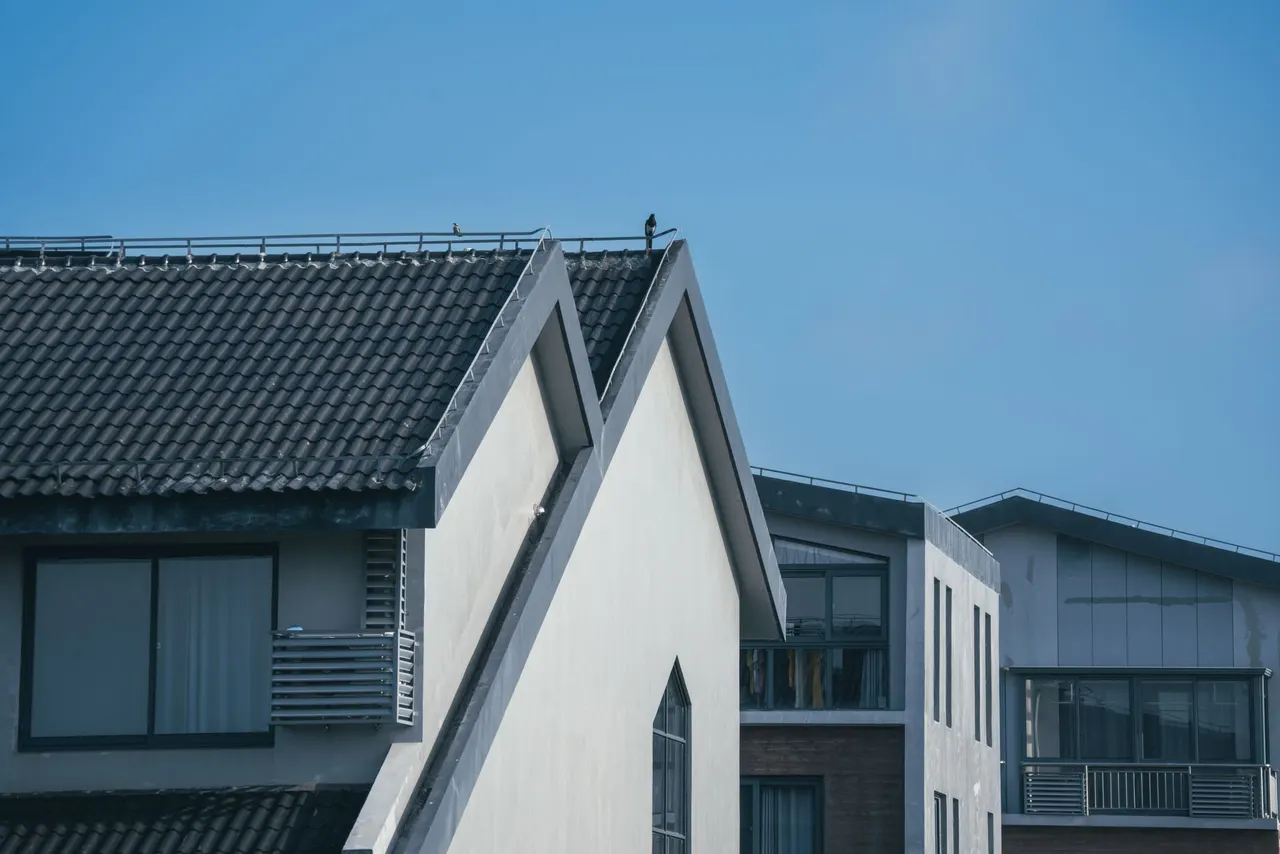
New roof installations in Huntsville are the right call when a coating will not buy you enough years. We install asphalt shingles, metal, tile, and flat membrane systems, and we will tell you honestly whether a coating or a full install makes more sense for your roof's condition.
View serviceWhen a flat roof is past coating, replacement is the only fix. We tear off the old membrane, inspect the deck, and install new TPO, EPDM, or modified bitumen. Many Huntsville customers coat once, get 12 more years, then replace on their own schedule instead of an emergency.
View service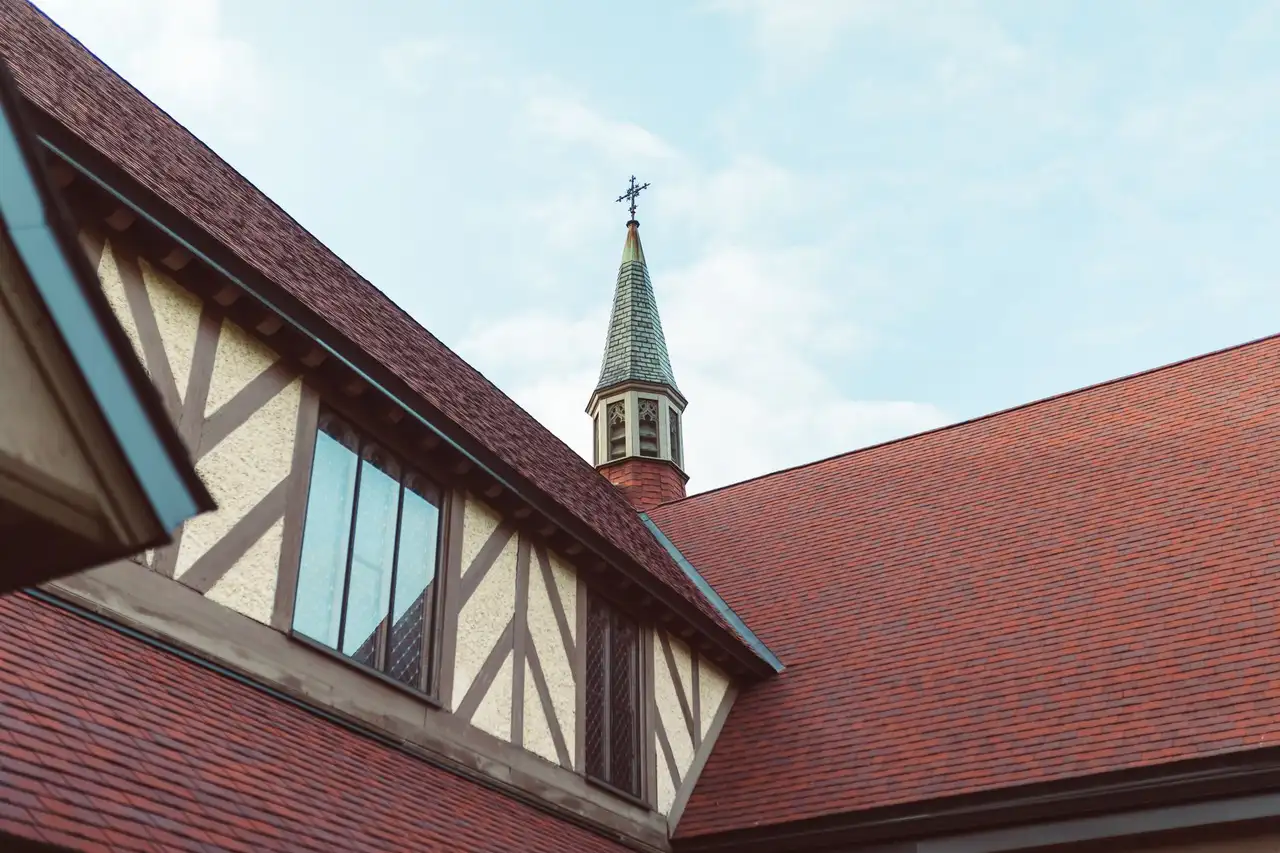
Active leaks, flashing failure, and storm damage get repaired before any coating goes down. A coating over a wet or damaged roof traps moisture and fails fast. We fix the underlying problem first, then coat the whole surface so the repair blends into a seamless membrane.
View service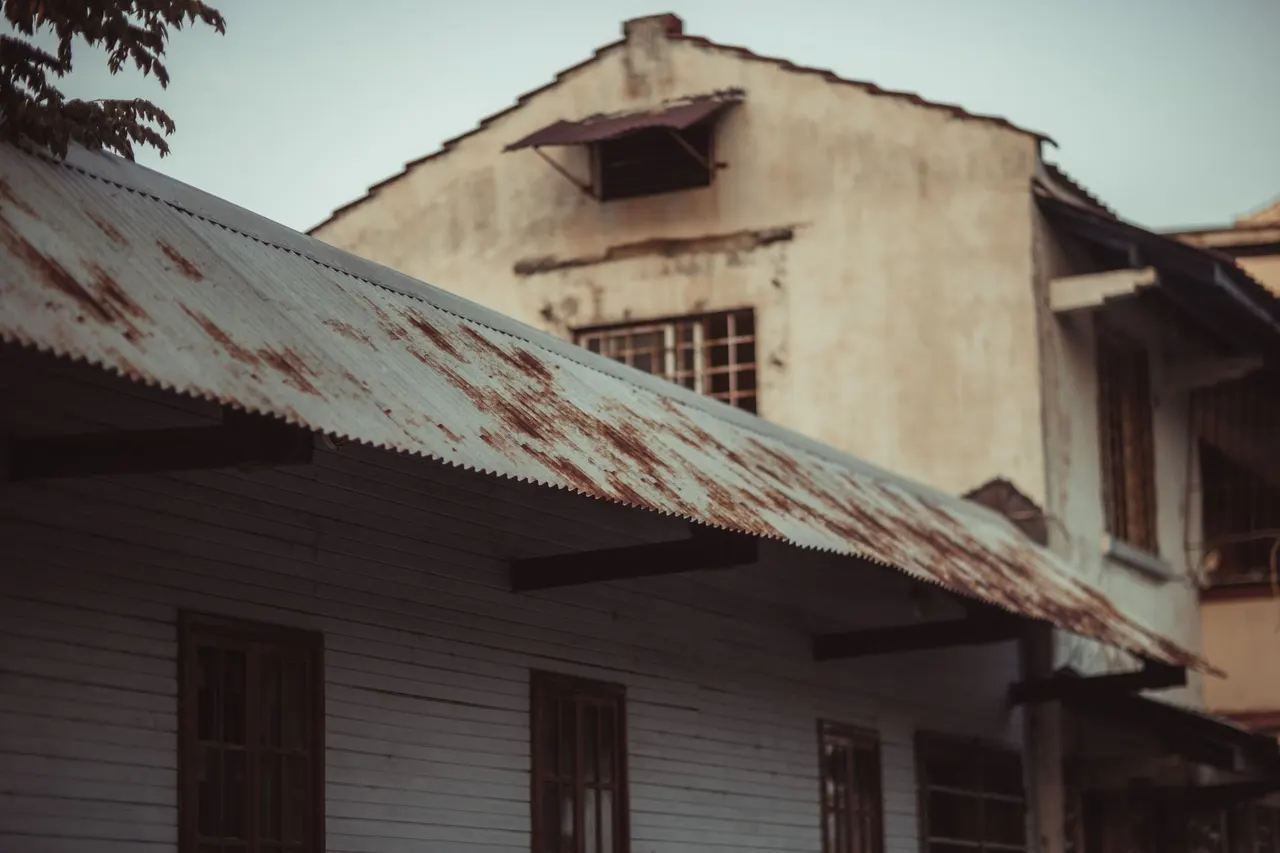
Our free roof inspection covers decking condition, seam integrity, flashing, drainage, and ponding. It is the same assessment we use to decide whether a coating will hold. You get photos and a written recommendation, whether that is coating, repair, or replacement.
View service
Call us any time, day or night. Our office answers from 8 a.m. to 6 p.m. Monday through Friday, and the emergency line stays open around the clock for active leaks and storm damage. Most Huntsville inspections get scheduled within 48 hours, and emergency calls get a same-day tarp.