Focused arrival windows
Useful updates and clear arrival timing.

Tile Roofing in Huntsville means clay or concrete tiles set on a properly flashed, ventilated deck, and it is the roof of choice for homeowners who plan to stay put. We install, repair, and replace tile roofs across Huntsville, Texas, from 1920s bungalows near the courthouse to new builds out toward Crabbs Prairie. If hail, wind, or a slow flashing leak has your tile roof in Huntsville on the back foot, we will tell you straight what it needs.
Useful updates and clear arrival timing.
Review the approach and price before deciding.
Equipped vehicles and respectful cleanup.
Neighbors serving neighbors with follow-through.
Every tile roof we install or repair follows the same core scope. Some jobs need more, like deck repair or new fascia, and we price those separately and show you why before we start. Here is what is standard on a Pro Roofing Huntsville tile job.
Old tile, underlayment, and flashing come off and leave the property in dumpsters. We protect landscaping with tarps and run a magnetic sweeper at the end for stray nails.
Every board gets checked for rot, delamination, and nail pull-through. Bad sheathing is replaced with new decking rated for tile load before anything goes back down.
Ice and water shield at eaves and valleys, synthetic underlayment across the field. This is the waterproof layer under your tile, and it is what actually stops leaks.
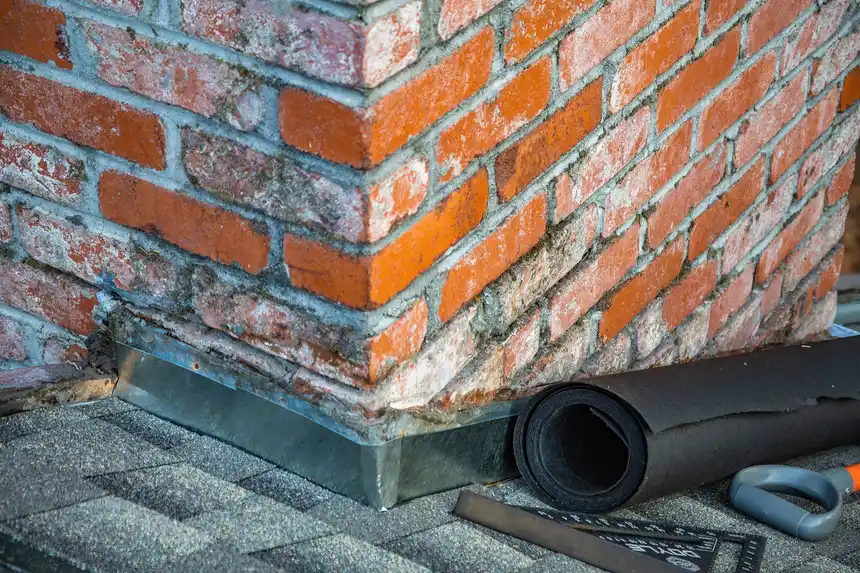
Chimney, sidewall, valley, and vent flashing replaced, plus new drip edge at rakes and eaves. Old flashing is the number one source of tile roof leaks we find.
Clay or concrete tile set with ring-shank nails to manufacturer pattern, with correct headlap and interlock. Ridge and hip tiles bedded and fastened, ridge vent installed at the peak.
We register your manufacturer material warranty and hand over the paperwork, along with our own workmanship warranty, before the crew leaves the driveway.
Share what is happening and receive a clear next step from the local team.
Tile Roofing in Huntsville is the installation or repair of clay or concrete roof tiles over an underlayment, roof flashing, and a structural deck rated for the weight. Tile is not a shingle substitute you nail down and forget. Each course interlocks, each field gets a chalk line, and every penetration, valley, and ridge gets its own detail. We set tile over ice and water shield at the eaves and valleys, run drip edge at the rakes, and cut in ridge vent so the attic can breathe. Get the underlayment wrong and the tile will outlive the roof under it.
Huntsville sits in a hail corridor that runs up through Walker County, and a single spring storm can crack or chip tiles that looked fine from the driveway. Add summer attic temperatures that push past 140 degrees and winter freezes that pop flashing seals, and you have a roof that needs eyes on it every year. That is why so many locals search tile roof repair in Huntsville Texas after a storm rather than waiting for a ceiling stain. We inspect the field, the flashings, and the underlayment separately, because a tile roof can look perfect on top and still be leaking underneath.
We walk the roof, check the deck from the attic, and photograph every cracked tile, failed flashing, and soft spot. You get a written scope with tile count, underlayment spec, and a fixed price. Takes 45 to 90 minutes on a typical Huntsville home.
Old tile comes off with pry bars and roofing hammers, and we haul it in dumpsters rather than dropping it in your beds. Decking gets inspected board by board; rotten sheathing is swapped for new. A 30-square roof usually takes two to three days to strip and dry in.
We roll ice and water shield at the eaves and valleys, then a synthetic underlayment across the field. New drip edge goes on, and every chimney, vent, and sidewall gets fresh roof flashing. This is the layer that actually keeps water out, so we do not rush it.
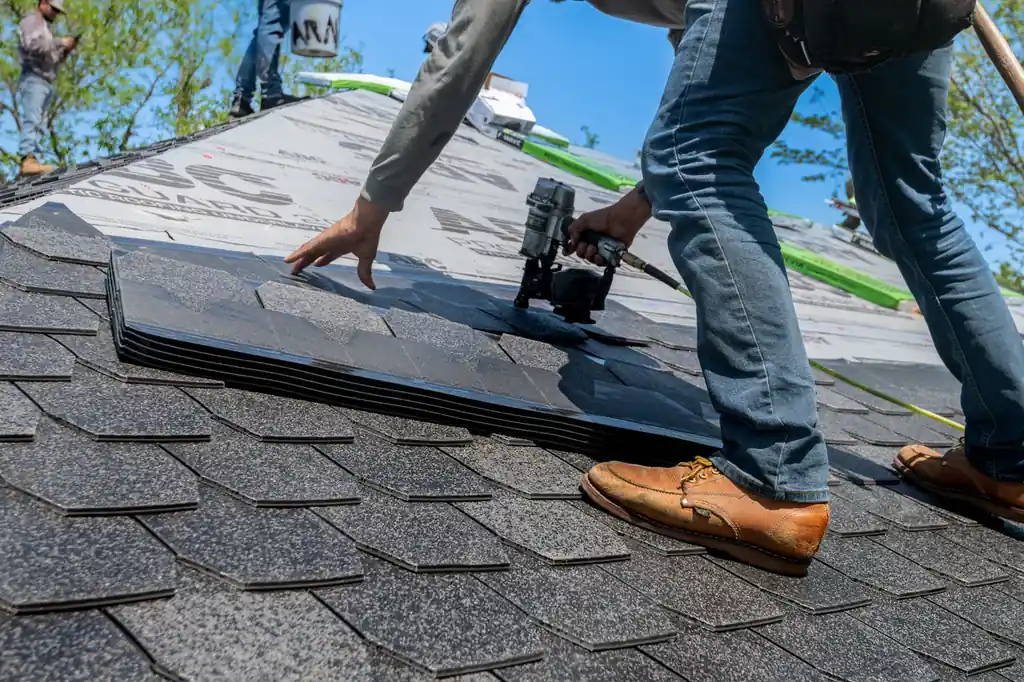
A chalk line sets the first course true, then we work up the roof with a roofing nail gun, checking interlock and headlap every few rows. Ridge and hip tiles get bedded and fastened, and ridge vent goes in at the peak. Most residential tile roofs take four to seven working days.
A magnetic sweeper runs the lawn, driveway, and flower beds for stray nails, and a leaf blower clears the gutters. We walk the finished roof with you, show you the flashings, and hand over the manufacturer warranty paperwork before we pull out.
Drives ring-shank nails to consistent depth and angle through tile and underlayment, which is what holds a field together in a wind event.
Cuts clay and concrete tile cleanly at valleys, hips, and penetrations without the shattering you get from a hammer and chisel.
Sets the first course and every few rows true. A tile roof that runs out of square at the ridge is a roof that leaks at the ridge.
Lifts old tile and flashing without breaking reusable pieces, and sets tile during tear-off and relay work.
OSHA-compliant fall protection and stable ladder access on steep tile pitches, where a slip is a serious injury.
Runs the lawn, driveway, and beds after every job to pick up dropped nails and tile shards before your tires or your dog find them.
Clears valleys, gutters, and the roof surface of debris at the end of the job so water has a clean path off the roof.
We follow the published installation pattern for GAF, Owens Corning, and CertainTeed tile systems, including nail placement, headlap, and fastener count. Following spec is what keeps your material warranty valid.
Tile is the rain screen; underlayment is the waterproofing. We treat them as two separate systems, with ice and water shield at eaves and valleys and synthetic underlayment across the field.
Ridge vent at the peak paired with proper intake at the soffits. Tile roofs run hot, and balanced ventilation is what keeps the deck and underlayment from cooking from underneath.
Every inspection produces photos of the tile field, flashing, underlayment, and deck. You see what we see, which makes insurance claims and repair decisions straightforward.
We inspect the field, document damage with photos and measurements for your insurance claim, tarp anything actively leaking, and replace damaged tile once the claim is approved. Your claim is documented properly, the leak risk is gone, and the roof is back to pre-storm condition without a full replacement.
We perform a full roof certification inspection covering tile, underlayment, flashing, and deck, then issue a written certification letter your lender and insurer will accept. You close on time knowing exactly what the roof needs and what it will cost, with no surprises after move-in.
We assess whether the underlayment has reached end of life. Often we can lift the tile, replace underlayment and flashing, and relay the original tile instead of a full tear-off. Another 20-plus years of roof life for roughly a third of replacement cost, with the same tile look you already have.
We run an emergency call, tarp the damaged section to stop water intrusion, and return with materials to repair the deck, underlayment, and tile properly. Water stops the same night, interior damage is limited, and the permanent repair is done within days.
Huntsville sits in a hail corridor, and Walker County storms hit tile roofs hard. A single spring cell can chip 30 or 40 tiles on one slope and leave the rest untouched, which is why we inspect the whole field instead of just the obvious damage. Summer attic temperatures push past 140 degrees, and that heat is what ages underlayment faster than the tile above it. Winter freezes crack flashing seals at chimneys and sidewalls, and the leak shows up in February. Building stock here ranges from 1920s homes near the courthouse with original clay tile to new construction out toward Dodge, and each one needs a different approach. Older homes often need deck reinforcement before tile goes back on; newer homes usually just need proper flashing detail. If you are pricing clay tile roofing Walker County TX, ask any contractor how they handle hail documentation and underlayment replacement, because those two things decide whether your tile roof lasts 30 years or 60.
Historic homes with original clay tile and steep pitches. Deck reinforcement and careful tile matching matter on these roofs.
Newer construction on larger lots, often with concrete tile. Wind exposure is higher here, so edge metal and fastening pattern matter.
Wooded lots where tree limbs and debris are the main threat to tile roofs. Annual valley and gutter clearing prevents most leaks.
Rural properties with outbuildings and long driveways. We bring equipment and dumpsters so the job runs without extra trips.
Mix of older homes and new builds. We see a lot of underlayment replacement under good tile in this area.
Chips and cracks tile across a slope, exposing underlayment. We document damage for insurance and replace affected tile with matched pieces.
Ages underlayment faster than the tile field. Balanced ridge and intake ventilation is what slows that clock down.
Cracks sealant at chimneys and sidewalls. We rebuild those details with new metal rather than patching over failed sealant.
Clogs valleys and gutters, damming water against tile edges. Annual clearing keeps water moving off the roof.
A Crabbs Prairie home took hail on the west slope. Forty-two tiles were cracked or chipped, and the underlayment showed six puncture points. The homeowner had a ceiling stain starting over the master bedroom.
We replaced the damaged tile with matched pieces, patched the underlayment punctures, and rebuilt the valley flashing. The leak stopped, the ceiling stain was dried out, and the repair came in under the insurance deductible.
Maintenance: We recommend a post-storm inspection each spring and a valley clearing every fall. Two visits a year catches hail damage before it turns into a leak.
A 1990s Huntsville home had good clay tile but a leaking roof. The underlayment had reached end of life at 26 years, and water was finding its way through at every valley and penetration.
We lifted the tile, replaced the underlayment and all flashing, and relayed the original tile. The roof stopped leaking, and the homeowner got another 20-plus years for roughly a third of replacement cost.
Maintenance: Keep the valleys clear and check flashing seals every couple of years. The tile itself needs almost nothing.
A 1920s home near the courthouse had original clay tile that was past saving. The deck had soft spots, and three separate leaks were showing up in the interior walls.
We stripped the roof, replaced 14 boards of decking, installed new underlayment and flashing, and set new concrete tile. The job took six working days, and the home passed a roof certification for the new owner.
Maintenance: Annual inspection of the tile field and flashing, plus gutter clearing each fall, keeps this roof on track for 50 years.
Tile roofs fail quietly. The tile on top can look perfect while the layers underneath are already letting water in. These are the calls we get most often across Walker County.
Exposed underlayment takes on water with every rain, and the leak shows up as a ceiling stain weeks later, usually after the damage is harder to trace. We inspect the whole field after a storm, replace cracked and slipped tiles with matched pieces, and check the underlayment beneath for punctures. Most hail repairs are done in a single day.
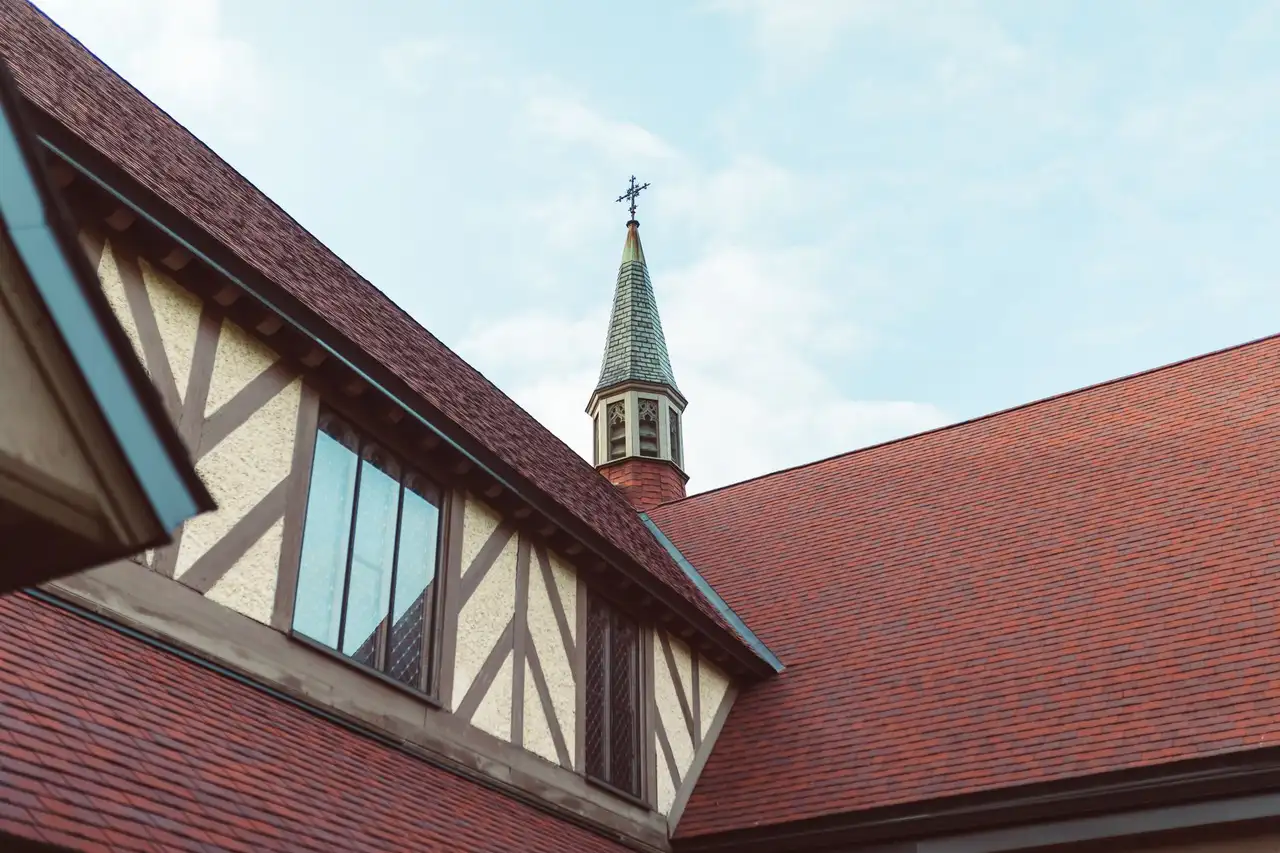
Flashing seals crack with Texas heat cycles. Water gets behind the tile, rots the deck, and can drip down a chimney into a wall cavity where you never see it. We water-test the suspect area, find the actual entry point, and rebuild the flashing detail with new metal and sealant. Fixing the flashing is almost always cheaper than replacing tile.
Underlayment has a 20 to 30 year life while tile lasts 50 or more. When it goes, the roof leaks even though the tile looks fine, and homeowners assume the whole roof is shot. We lift the tile, replace the failed underlayment and flashing, and relay the original tile. You get another 20-plus years for a fraction of a full tile roof replacement.
Debris dams water at the valley, and it backs up under tile edges. Overflowing gutters soak the fascia and soffit, which then rot and invite pests. We clear valleys and gutters, check that downspouts discharge away from the foundation, and repair any fascia and soffit damage the overflow caused. Annual maintenance prevents most of it.

Pro Roofing Huntsville has been on roofs since 2000, and tile has been part of that work from the start. Our crews train on manufacturer systems from GAF, Owens Corning, and CertainTeed, and we hold the certifications those programs require for extended material warranties. We are an NRCA member shop, carry a Texas roofing license, and every installer is OSHA safety certified and working under our workers compensation insurance. That matters on a tile job, where a single pallet weighs more than a ton and a fall is not a small thing. We have repaired and replaced tile roofs on everything from historic homes near the Walker County Courthouse to new construction out past Dodge, and we still inspect every job the same way.
Hail took out about 40 tiles on the west slope. Pro Roofing matched the profile, replaced them, and found two cracked pieces I never would have seen. They tarped the same afternoon I called and came back three days later for the repair. Bill was exactly what they quoted.
We had a leak over the kitchen that two other roofers blamed on the tile. These guys got in the attic, water-tested the flashing, and found the real problem at the chimney. Fixed it for under $700. No upsell, no pressure for a full replacement.
Full tile replacement on a 1960s house near the courthouse. Deck needed work, and they showed me photos before doing it. Six days start to finish, lawn swept clean, and they registered the manufacturer warranty for me. I manage eight rentals and they get all my roof work now.
Most full tile roof replacements in Huntsville run $18,000 to $45,000 in 2026, or roughly $900 to $1,800 per square installed. Concrete tile sits at the lower end, clay at the upper. Steep pitches, two-story access, and deck repairs push the number up. Repairs are far cheaper: a cracked tile or two with fresh flashing usually lands between $350 and $900.
We do. Pro Roofing Huntsville has installed and repaired tile roofs across Walker County since 2000, covering ZIP codes 77340, 77320, and 77341. We are a licensed Texas roofing contractor with manufacturer certifications, and we handle clay, concrete, and low-profile tile systems. Call 766837673 and we will get an inspector on your roof this week.
Clay and concrete tile fields last 50 to 75 years here, but the underlayment under them is the real clock, and it typically needs replacement at 20 to 30 years. That is why a tile roof can look fine and still leak. We inspect underlayment separately from tile, and replacing it without replacing the tile is a routine job for us.
Yes. Tile handles the three things this climate throws at a roof: hail, 100-degree summer heat, and the occasional hard freeze. It resists hail better than asphalt, sheds heat instead of absorbing it, and does not rot in humidity. The one caveat is weight, so we verify your deck and framing can carry it before we quote a tile roof installation Huntsville TX.
Not seeing your question? Our local team can help you understand urgency, scheduling and what to expect.
Ask the local team
New construction and full tear-off installs across Huntsville. We build tile, metal, and shingle systems from the deck up, with underlayment and flashing spec'd for Walker County weather.
View service
When a tile roof is past saving, we strip it, inspect the deck, and rebuild. Most replacements take four to seven working days, and we haul every pound of old tile off site.
View service
Cracked tiles, slipped courses, failed flashing, and leaky valleys. We match existing tile profiles where we can and keep repairs small instead of selling you a full roof you do not need.
View service
A 21-point inspection covering tile field, underlayment, flashing, ventilation, and deck condition. You get photos and a written report, which is what insurers and buyers want to see.
View serviceCall us any time, day or night. Our office answers from 8 a.m. to 6 p.m. Monday through Friday, and the emergency line stays open around the clock for active leaks and storm damage. Most Huntsville inspections get scheduled within 48 hours, and emergency calls get a same-day tarp.